The president of the Port Authority of Santa Cruz de Tenerife, Pedro Suárez, stated that the “supply of grain for the provincial livestock sector through the Port of Tenerife is assured,” thus ruling out the potential risks in this regard that have been referred to by the Industrial Association of the Canary Islands (Asinca).
Suárez assured that the recent events, in which the handling of said grain has been delayed, are due to a mismatch in stevedoring manpower derived, essentially, from the significant increase in traffic at the Tenerife terminal and from a stevedore hiring process in full development, an initiative of the port’s Centro Portuario de Empleo (CPE), which is in charge of this management.
Aware that this situation could occur and acting with complete transparency, the CPE had already notified the employers’ association of the sector and defined a strategy months ago to size and weigh the foreseeable traffic, with the intention of distributing the available stevedoring services among all requests, thus guaranteeing the minimum possible impact.
In this regard, in March of this year, several selection processes began to increase the workforce by 33 more stevedores, also resolving the planned retirements, so that the number of professionals reaches 182. It is expected that next July another 18 will join, after a nine-month training process.
By law, the first traffic to be served in state ports is passenger traffic, then prioritizing perishable goods and subsequently the rest of the traffic.
The Port Authority of Santa Cruz de Tenerife communicated that it joins the “constructive will of Asinca” to, together, continue to maintain the Port of Tenerife as the guarantor of the supply of goods to our archipelago, always betting on the professionalism of its stevedores.
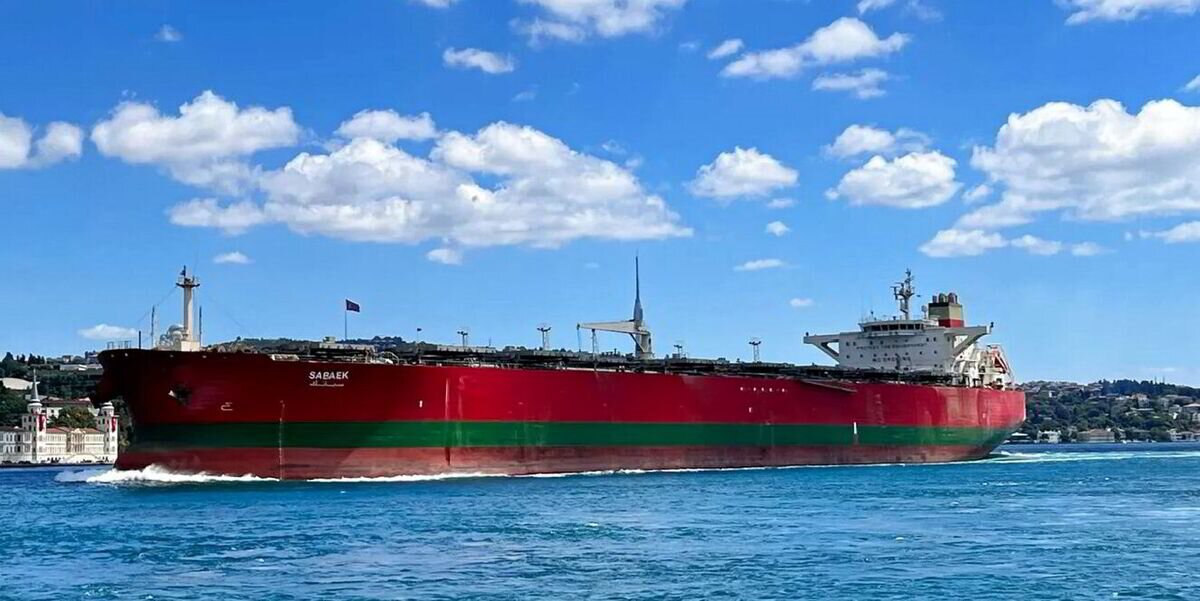
The Tenerife port is hosting a grain unloading operation from the ship Lady Leyla, coming from the Port of Nantes, France, at the Dique del Este, work that will continue until October 14 and involves the unloading of almost five thousand tons of grain.