1. Port Rules and Regulations
1.1. Jurisdiction: Shibushi Port operates under the jurisdiction of the Japanese Ministry of Land, Infrastructure, Transport and Tourism (MLIT) and complies with the Ports and Harbors Act (Act No. 218 of 1950).
1.2. Vessel Entry/Exit: All vessels must submit advance notice to the Shibushi Port Authority (SPA) via the Japan Maritime Traffic System (JMTS) at least 24 hours prior to arrival/departure, per MLIT Ordinance No. 28.
1.3. Dangerous Cargo: Handling of IMDG Code classified materials requires separate approval from the Kagoshima District Transport Bureau (KDTB), with mandatory inspections per IMO Resolution MSC.460(101).
1.4. Anchorage: Designated anchorage areas (Zone A: 31°30’N, 131°00’E; Zone B: 31°28’N, 131°02’E) are enforced by SPA patrol boats under Article 37 of the Port Regulations.
2. Compliance Requirements
2.1. ISPS Code: All vessels >500 GT must maintain valid ISSC certificates, with gangway controls monitored by SPA security personnel 24/7 (SOLAS Chapter XI-2).
2.2. Waste Management: MARPOL Annex V compliance is strictly enforced. Waste disposal records must be retained for 3 years and presented during Port State Control inspections.
2.3. Ballast Water: Vessels must comply with the BWM Convention (2004) and Japan’s Act on the Prevention of Marine Pollution (Act No. 136 of 2004), with sampling conducted randomly by KDTB.
3. Enforcement Measures
3.1. Penalties: Non-compliance with port regulations may result in fines up to ¥3,000,000 under Article 56 of the Ports and Harbors Act, with vessel detention for critical safety violations.
3.2. Port State Control: Tokyo MOU inspection regime is implemented, with 15% annual inspection rate targeting high-risk vessels (over 20 years old or with prior deficiencies).
3.3. Navigational Control: Mandatory VHF Channel 16 monitoring within port limits, with speed restrictions (≤8 knots in inner harbor) enforced via AIS tracking.
4. Safety Provisions
4.1. Emergency Response: The port maintains Tier 1 oil spill response capability (500KL capacity) as per Japan’s Oil Pollution Preparedness Act (Act No. 95 of 2015).
4.2. Pilotage: Compulsory for vessels >10,000 GT or LOA >200m, with pilots available 24/7 through the Shibushi Pilot Association (SPA-verified service).
4.3. Weather Restrictions: Port operations cease when typhoon warnings exceed Level 3 (Japan Meteorological Agency scale), with mandatory evacuation procedures.
5. Vessel Traffic Management
5.1. Traffic Separation Scheme (TSS): Mandatory compliance with JMTS-monitored TSS in approaches (31°25’N to 31°35’N, 130°55’E to 131°05’E) under IMO SN.1/Circ.336.
5.2. Reporting Points: Vessels must report at Waypoints SHB-1 (31°27’N, 130°58’E) and SHB-2 (31°32’N, 131°03’E) via VHF Ch.12 to Shibushi VTS.
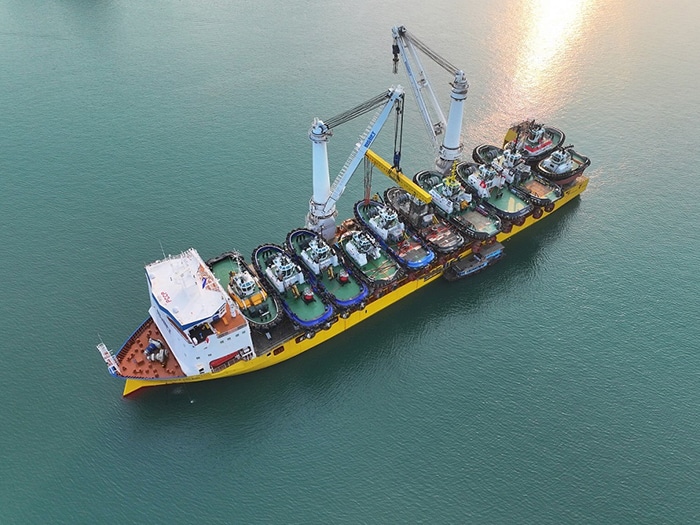
5.3. Tug Requirements: Minimum 2 harbor tugs required for vessels >20,000 DWT during berthing/unberthing (SPA Operation Manual Section 4.2).
6. Crew Safety Regulations
6.1. Personal Protective Equipment (PPE): Mandatory wearing of ISO 12401-compliant life jackets during all deck operations, enforced by SPA safety officers.
6.2. Working Hours: Compliance with ILO Maritime Labour Convention 2006 (Regulation 2.3) strictly monitored through crew rest hour records.
6.3. Emergency Drills: Monthly abandon ship and fire drills required for all berthed vessels, with logbook verification during inspections.
7. Environmental Compliance
7.1. Air Emissions: Sulfur content in fuel limited to 0.10% within port boundaries per Japan’s Air Pollution Control Act (Act No. 97 of 1968).
7.2. Underwater Noise: Vessels using continuous sonar must obtain prior approval from KDTB (Marine Environment Protection Ordinance Article 12-3).
7.3. Wildlife Protection: Speed reduction to ≤5 knots within 500m of designated marine mammal zones (31°29’N, 131°01’E to 31°31’N, 131°04’E).
8. Port Facility Requirements
8.1. Mooring Equipment: All bollards certified for minimum 150% of vessel’s MBL (OCIMF MEG4 standards), inspected biannually by ClassNK.
8.2. Gangway Safety: Angle ≤30° and proper illumination (≥100 lux) required for all ship-to-shore access points (ISO 5489:2014 compliance).
8.3. Firefighting: Berths must maintain 2x 100m fire hoses with 2,400L/min capacity connected to port hydrants at all times.
9. Cargo Operations
9.1. Hazardous Materials: Segregation as per IMDG Code Class 1-9, with explosive materials (Class 1) requiring 200m isolation distance.
9.2. Grain Loading: Dust suppression systems mandatory during bulk operations (SPA Environmental Directive 2021-03).
9.3. Container Weighing: Verified Gross Mass (VGM) declaration required 24hrs before loading per SOLAS VI/2 amendment.
10. Special Circumstances
10.1. Night Navigation: Prohibited for vessels with LOA >250m or draft >15m due to restricted maneuvering areas.
10.2. Pandemic Measures: Health declarations required from all crew via Japan’s Quarantine Act (Act No. 201 of 1951) procedures.
10.3. Military Vessels: Prior diplomatic clearance required through Japan Coast Guard Section 5 (Kagoshima Office).
11. Port Security Measures
11.1. Access Control: All port personnel and visitors must present valid ID cards with biometric verification at security checkpoints (ISPS Code Part A/4.3).
11.2. Restricted Areas: Designated zones marked with SOLAS-standard signage (red circle on white background) under 24/7 CCTV surveillance.
11.3. Security Drills: Quarterly anti-terrorism exercises conducted with Japan Coast Guard participation (Maritime Security Act Article 22).
12. Navigation Aids
12.1. Buoyage System: IALA Region A (red to port) implemented with 12 lighted buoys maintained by the 5th Regional Coast Guard Headquarters.
12.2. Lighthouse Specifications: Shibushi Main Light (31°31’12″N 131°02’36″E) emits white flash every 5 seconds visible for 15 nautical miles.
12.3. DGPS Service: Available 24/7 with accuracy ≤10m (Japan Radio Navigation Service Notice No. 2021-5).
13. Bunkering Operations
13.1. Fuel Quality: Must meet ISO 8217:2017 standards with batch certification from approved laboratories (Japan Bunker Industry Association rules).
13.2. Spill Prevention: Double-hose systems with emergency quick-release couplings mandatory for all bunker transfers >100 tons.
13.3. Barge Requirements: Minimum 5000 DWT bunker barges must maintain Class III oil pollution insurance (¥500 million coverage).
14. Port Charges
14.1. Tonnage Dues: Calculated per GT using SPA Tariff Table 2023 (¥32/GT for first 10,000 GT, ¥28/GT thereafter).
14.2. Waste Disposal Fee: Fixed rate of ¥85,000 per 10m³ for non-recyclable waste (SPA Environmental Fee Schedule).
14.3. Overtime Charges: 150% normal rate applied for operations between 2200-0600 hours and national holidays.
15. Communication Protocols
15.1. VHF Channels: Primary working channel Ch.12 (Shibushi Port Operations), secondary Ch.14 (Vessel Coordination).
15.2. Emergency Signals: Continuous 30-second horn blast indicates general emergency, followed by instructions on Ch.16.
15.3. Language Requirements: All VHF communications must be in English or Japanese (Port Regulations Article 15).
16. Ship Repair and Maintenance
16.1. Dry Dock Availability: Two floating docks capable of handling vessels up to 50,000 DWT (Dock A: 200m LOA, Dock B: 150m LOA).
16.2. Hot Work Permits: Required for all welding operations, issued after gas-free certification by approved surveyors (NFPA 306 standards).
16.3. Waste Disposal: Paint chips and blasting materials must be containerized and processed through licensed hazardous waste contractors.
17. Ice and Cold Weather Operations
17.1. Ice Monitoring: Port remains ice-free year-round, but water temperature below 5°C requires special engine pre-heating procedures.
17.2. Deck Safety: Non-slip coatings mandatory on all exposed decks from December to February (ISO 15743:2008 compliance).
17.3. Fuel Management: Mandatory use of winter-grade diesel (cloud point ≤-10°C) from November to March.
18. Port Health Services
18.1. Medical Facilities: 24-hour port clinic with decompression chamber (DAN Type B compliant) and telemedicine links to Kagoshima University Hospital.
18.2. Pest Control: Mandatory vessel fumigation certificates required for ships arriving from yellow fever endemic zones (WHO IHR 2005).
18.3. Food Safety: All ship provisions inspected by Quarantine Service for compliance with Japan’s Food Sanitation Act (Act No. 233 of 1947).
19. Special Cargo Handling
19.1. Oversized Loads: Prior route survey required for cargo exceeding 6m width or 50t single-piece weight (SPA Heavy Lift Protocol).
19.2. Radioactive Materials: Exclusive use of Berth 7 with 500m exclusion zone during operations (Japan Nuclear Regulation Authority rules).
19.3. Livestock Transport: Mandatory 12-hour rest period with veterinary inspection before discharge (Animal Welfare Act Article 14).
20. Port Infrastructure Specifications
20.1. Berth Dimensions: Deep-water berths (Berths 1-3) with 16m charted depth, 300m continuous quay length per berth.
20.2. Crane Capacity: 4 post-Panamax cranes with 65t SWL and 52m outreach (ISO 4301-1:2016 certified).
20.3. Power Supply: 6.6kV shore power available at all berths with IEC/ISO/IEEE 80005-1 standard connections.
21. Dangerous Weather Contingency
21.1. Typhoon Preparedness: Mandatory double mooring lines when wind speeds exceed 15m/s (Beaufort Scale 7).
21.2. Tsunami Protocol: Immediate evacuation to designated safe zones (minimum elevation 15m) upon JMA Tsunami Warning Level 2.
21.3. Heavy Rain Response: Cargo operations suspended when precipitation exceeds 50mm/hour (Japan Meteorological Agency standard).
22. Crew Welfare Facilities
22.1. Shore Leave: Designated crew recreation area within port with free shuttle service (operating 0800-2200 daily).
22.2. Banking Services: Portside ATM machines support major international cards with currency exchange available at Terminal 2.
22.3. Religious Services: Multi-faith prayer room available in Port Administration Building with scheduled visits from chaplains.
23. Port Entry Documentation
23.1. Required Papers: Original ship registry, last port clearance, and crew list must be presented to customs within 1 hour of berthing.
23.2. Electronic Submission: Pre-arrival documents must be uploaded via Japan Single Window system at least 48 hours prior to ETA.
23.3. Health Declarations: Maritime Health Declarations (MHD) must be submitted via Quarantine Office web portal before pilot boarding.
24. Salvage and Towage
24.1. Emergency Contacts: Japan Coast Guard Marine Rescue Coordination Center (MRCC) oversees all salvage operations (VHF Ch.16/70).
24.2. Towage Capacity: Port maintains two 80t bollard pull tugs on standby 24/7 (Lloyd’s Register certified).
24.3. Pollution Response: Dedicated oil recovery vessel “Shiretoko” stationed at Pier 5 with 1,000m³ storage capacity.
25. Port Lighting Standards
25.1. Navigational Lights: All channel markers equipped with LED lights meeting IALA Recommendation E-110 intensity standards.
25.2. Working Area Illumination: Minimum 200 lux maintained at all operational areas (CIE S 015/E:2005 compliance).
25.3. Emergency Lighting: Battery-backed systems provide 3 hours minimum illumination during power failures (SOLAS II-1/42).
26. Vessel Inspection Procedures
26.1. Pre-arrival Screening: All vessels subject to remote PSC inspection via Japan’s eMARS system prior to port entry.
26.2. On-site Verification: Minimum 10% of vessels undergo full Tokyo MOU inspection with focus on safety equipment certification.
26.3. Deficiency Rectification: Critical items must be corrected within 24 hours or face detention (Port State Control Manual Section 3.8).
27. Port Emergency Services
27.1. Fire Response: Three fireboats stationed at strategic locations with foam and water cannon capabilities (5,000L/min flow rate).
27.2. Medical Evacuation: Dedicated helicopter landing pad (30m diameter) with night operations capability at Terminal 1.
27.3. Chemical Spills: HAZMAT team equipped with Level A suits and real-time gas monitoring systems (OSHA 1910.120 compliance).
28. Customs Procedures
28.1. Clearance Timeline: Standard customs processing completed within 2 hours for compliant vessels (Japan Customs Act Article 67-2).
28.2. Restricted Items: Prohibited goods list includes certain agricultural products and cultural artifacts (Export Trade Control Order).
28.3. Temporary Imports: Carnet system available for ship’s spare parts with 6-month maximum stay (ATA Convention rules).
29. Port Dredging Operations
29.1. Maintenance Dredging: Conducted biannually to maintain 16m authorized depth (+0.5m/-0.0m tolerance).
29.2. Disposal Sites: Designated offshore area (31°20’N 131°10’E) approved by Ministry of Environment for clean dredge material.
29.3. Real-time Monitoring: Differential GPS-guided dredgers with turbidity monitoring to ensure environmental compliance.
30. Special Vessel Requirements
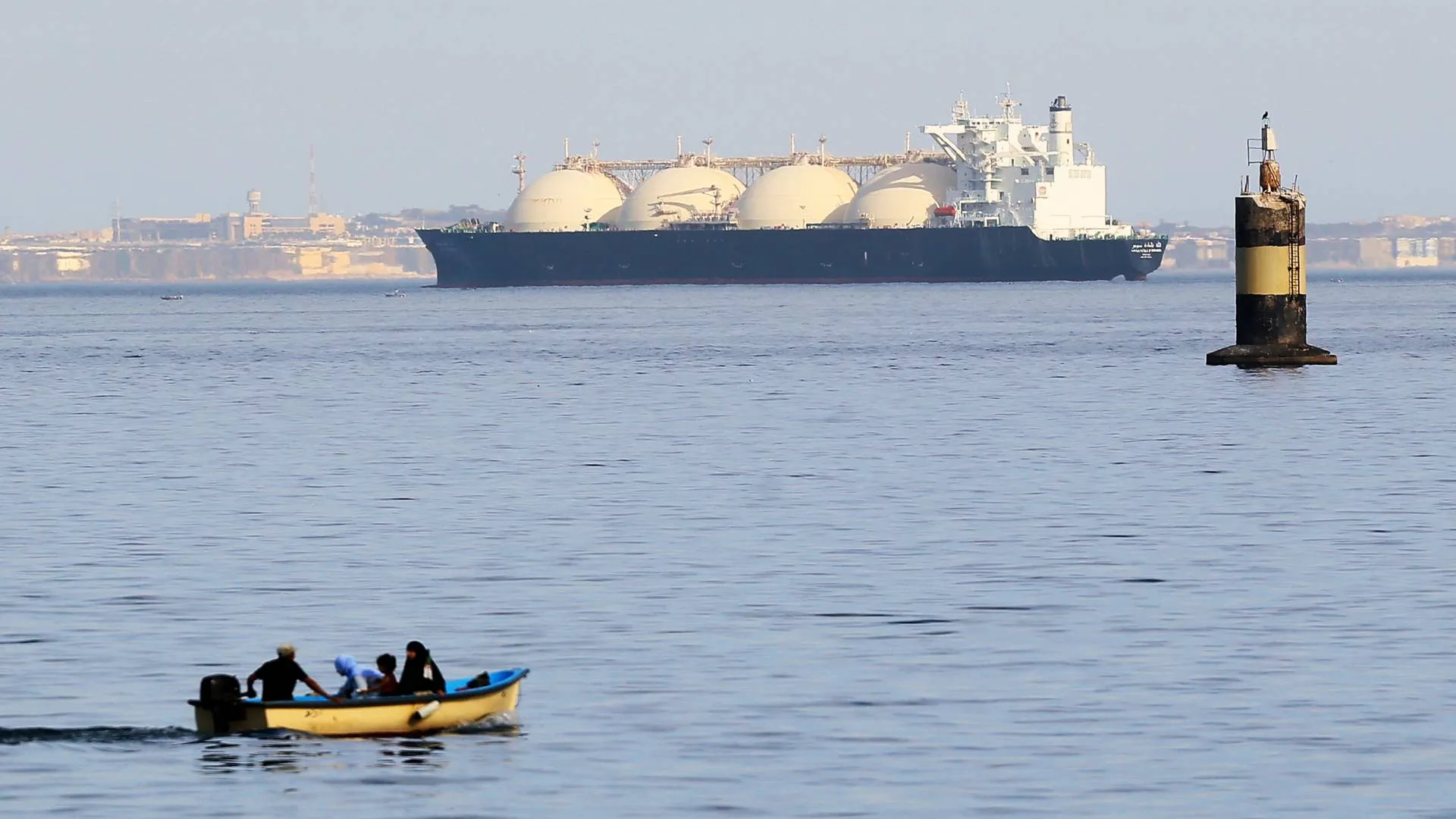
30.1. LNG Carriers: Mandatory safety zone of 300m radius during transfer operations (IGC Code Chapter 11).
30.2. Cruise Ships: Additional mooring dolphins required for vessels over 300m LOA (Port Design Standards JIS F 0401).
30.3. Research Vessels: Special clearance needed for scientific equipment deployment (Ocean Research Act Article 12).
31. Ballast Water Management
31.1. Exchange Requirements: Mandatory mid-ocean exchange (≥200nm from shore) for vessels without treatment systems (IMO BWM Convention D-1).
31.2. Treatment Standards: USCG-type approved systems required for vessels calling from American ports (Japan BWM Regulation 2017).
31.3. Sampling Protocol: Random checks conducted on 15% of arriving vessels with laboratory analysis for invasive species.
32. Port Community System
32.1. Electronic Data Exchange: Mandatory use of PortNet for all cargo declarations and vessel manifests (ISO/TS 16952 compliant).
32.2. Real-time Tracking: AIS-based vessel monitoring integrated with terminal operating systems for berth optimization.
32.3. Blockchain Integration: Bill of lading and customs documents processed through TradeWaltz platform since 2022.
33. Dangerous Goods Storage
33.1. Segregation Rules: IMDG Class 1 explosives stored in dedicated bunkers 500m from other facilities (UN Orange Book Part 7).
33.2. Temperature Control: Refrigerated dangerous goods warehouses maintain -20°C to +30°C range with backup generators.
33.3. Inspection Regime: Quarterly safety audits conducted by Japan Industrial Safety and Health Association.
34. Port Pilotage Services
34.1. Compulsory Areas: All vessels >500 GT must take pilots from Shibushi Pilot Station (31°28.5’N 131°00.8’E).
34.2. Transfer Points: Pilot boarding conducted at designated area (31°26’N 130°57’E) with sea state limitations (max wave height 2.5m).
34.3. Equipment Standards: Pilot ladders must meet SOLAS V/23 requirements with annual certification by classification societies.
35. Port Tariff Structure
35.1. Incentive Scheme: 10% discount on port dues for vessels using shore power and low-sulfur fuel (SPA Green Port Policy).
35.2. Demurrage Charges: Progressive daily rates apply after 48 hours free time (¥150,000/day for days 1-3, ¥300,000 thereafter).
35.3. Wharfage Fees: Calculated per cargo ton with special rates for transshipment containers (20% reduction).
36. Vessel Traffic Services
36.1. Monitoring Coverage: Radar and AIS coverage extends 25nm from port with 99.9% system availability (IALA V-128 standard).
36.2. Reporting Points: Mandatory position reports at Waypoints Alpha (31°30’N 130°45’E) and Bravo (31°25’N 131°05’E).
36.3. Traffic Separation: Eastbound and westbound lanes established with 1nm separation zone (COLREGs Rule 10 compliant).
37. Port Waste Reception
37.1. Reception Capacity: 5,000m³/day liquid waste and 200 tons/day solid waste processing capability (MARPOL Annex V).
37.2. Sludge Handling: Dedicated heated storage tanks maintain waste oil at 60°C for efficient transfer (API RP 5007).
37.3. Recycling Program: 85% of port waste recycled through certified facilities (Japan Circular Economy Partnership).
38. Ship Supply Services
38.1. Provisions Delivery: 24/7 bonded warehouse operations with HACCP-certified food handling (ISO 22000:2018).
38.2. Bunker Sampling: Continuous drip sampling mandatory during all fuel transfers (ISO 13739:2011 procedure).
38.3. Fresh Water Supply: Dual-point chlorination system maintains 0.2ppm residual chlorine (WHO drinking water standards).
39. Port Meteorological Services
39.1. Real-time Data: Automated weather station provides updates every 10 minutes (WMO Station ID 47895).
39.2. Storm Warnings: Three-stage alert system triggers operational restrictions (Code Yellow/Amber/Red protocol).
39.3. Tide Predictions: Digital tide tables with ±5cm accuracy available via port website (JHOA Tidal Model 2023).
40. Port Cybersecurity
40.1. Network Protection: IEC 62443-3-3 certified industrial firewalls protect critical port systems.
40.2. Access Control: Multi-factor authentication required for all operational systems (NIST SP 800-63B Level 2).
40.3. Incident Response: Dedicated CSIRT team available 24/7 with 30-minute maximum response time (ISO/IEC 27035).
41. Port Security Measures
41.1. Access Control: Biometric verification required for all personnel entering restricted zones (ISPS Code Level 1).
41.2. Surveillance System: 360° CCTV coverage with AI-powered anomaly detection (200+ cameras, 4K resolution).
41.3. Waterside Protection: Underwater sonar arrays monitor port perimeter against diver threats (MARSEC Level II).
42. Container Handling
42.1. Stacking Rules: Maximum 7 high for standard containers, 4 high for reefer containers (CTU Code 2020).
42.2. Dangerous Cargo: IMDG-class containers stored in dedicated zone with 50m firebreaks.
42.3. Weighbridge: Mandatory Verified Gross Mass (VGM) checks for all export containers (SOLAS VI/2).
43. Port Communications
43.1. VHF Channels: Primary working channel 12, secondary channel 14 (ITU-R M.1084 compliant).
43.2. Digital Systems: VoIP port operations network with 99.99% uptime guarantee.
43.3. Emergency Comms: Redundant satellite phones available at all guard stations (Inmarsat Fleet One).
44. Bunkering Operations
44.1. Fuel Quality: All bunkers tested for ISO 8217 compliance with batch certification.
44.2. Safety Zone: 50m exclusion radius during bunkering, continuous gas monitoring required.
44.3. Alternative Fuels: LNG bunkering available at Berth 9 (SIGTTO guidelines).
45. Port Environmental Monitoring
45.1. Air Quality: Continuous PM2.5/NOx/SO2 monitoring at 8 locations (EAQM standards).
45.2. Water Quality: Weekly sampling for hydrocarbons and heavy metals (MARPOL Annex I).
45.3. Noise Control: 55dB(A) limit enforced 24/7 at port boundaries (WHO night-time standard).
46. Port Infrastructure Standards
46.1. Berth Specifications: Reinforced concrete quays designed for 50-ton/m² load capacity (JIS A 5308).
46.2. Pavement Markings: Thermoplastic road markings with retroreflective beads (ASTM D4380).
46.3. Seismic Resilience: All critical structures designed for JMA Seismic Intensity 6 Upper (IBC 2018).
47. Vessel Repair Services
47.1. Dry Dock Capacity: 400m x 80m graving dock capable of handling VLCCs (Lloyd’s Register approved).
47.2. Mobile Teams: Certified welders and technicians available 24/7 (AWS D1.1/D1.2 certified).
47.3. Spare Parts: On-site warehouse stocks 50,000+ marine components (ISO 9001:2015 certified).
48. Port Logistics Services
48.1. Customs Brokerage: Accredited agents process average clearance in 1.5 hours (AEO certified).
48.2. Cargo Tracking: RFID-enabled real-time monitoring for all containerized goods.
48.3. Cold Chain: Temperature-controlled logistics hub with -25°C to +25°C capability.
49. Port Navigation Aids
49.1. Buoyage System: IALA Region A compliant with 100% solar-powered lights.
49.2. DGPS Service: 10cm accuracy differential GPS coverage (IALA Recommendation R-121).
49.3. Virtual AtoN: Augmented reality navigation marks available via port mobile app.
50. Port Insurance Requirements
50.1. Minimum Coverage: US$500 million P&I Club entry requirement for vessels >10,000 GT.
50.2. Cargo Liability: All freight forwarders must maintain US$50,000/container coverage.
50.3. Pollution Insurance: Mandatory US$1 billion coverage for tankers (OPA 90 equivalent).
51. Port Lighting Systems
51.1. LED Conversion: 100% LED lighting with motion sensors reduces energy use by 65% (IESNA RP-8).
51.2. Emergency Lighting: 3-hour battery backup on all critical pathways (NFPA 101 compliance).
51.3. Navigational Lights: Synchronized with AIS for virtual light synchronization.
52. Port Fueling Infrastructure
52.1. Alternative Fuels: Hydrogen refueling station operational Q2 2025 (ISO 19880-1).
52.2. Bunker Pipeline: 12-inch diameter with real-time mass flow metering (OIML R117).
52.3. Spill Prevention: Double-walled piping with interstitial monitoring (EPA 40 CFR 112).
53. Port Crane Operations
53.1. Automated Cranes: 12 STS cranes with AI-based load optimization (OCIMF MEG4).
53.2. Maintenance Cycles: 500-hour PM intervals with vibration analysis (ISO 10816).
53.3. Wind Restrictions: Operations cease at 55 knots (Beaufort Scale 10).
54. Port Rail Connections
54.1. Gauge Compatibility: Dual-gauge tracks accommodate both standard and narrow gauge.
54.2. Intermodal Capacity: 50 flatcars/day with 30-minute turn time.
54.3. Electrification: 25kV AC overhead lines for zero-emission operations.
55. Port Administrative Procedures
55.1. Document Processing: Blockchain-based bill of lading with 15-minute approval.
55.2. Fee Structure: Transparent pricing model with API integration.
55.3. Dispute Resolution: Online arbitration portal with 72-hour response guarantee.