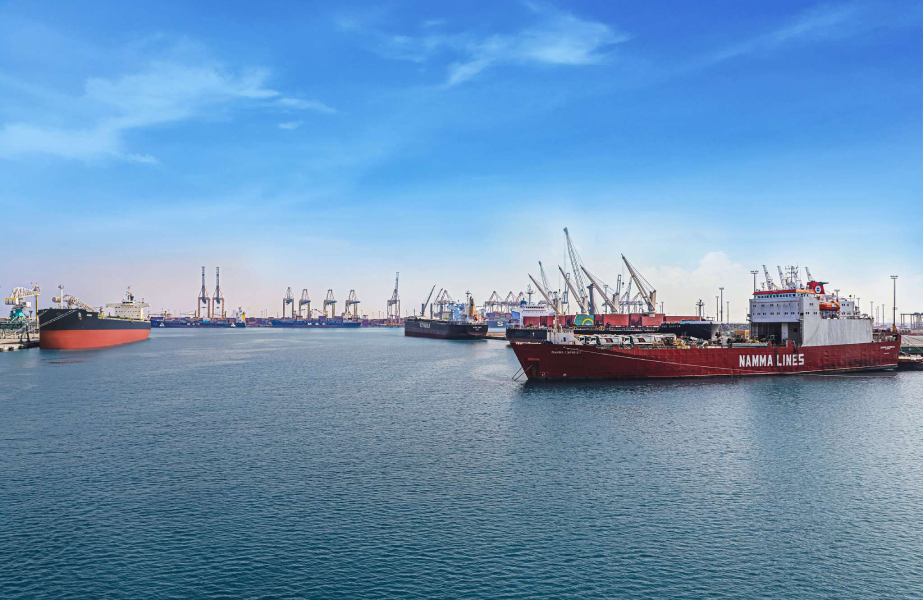
The Port of Paranaguá is preparing to further increase its handling capacity within the soybean complex, with the construction of the Moegão, a T-shaped pier, and a significant dredging advancement.
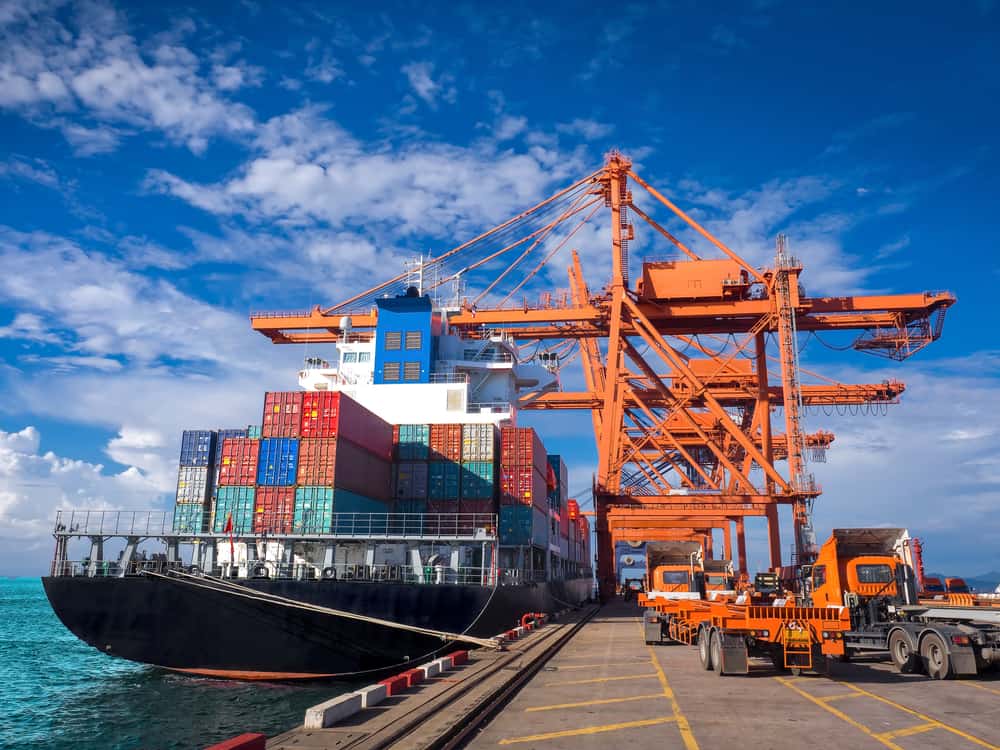
Moegão is the largest public port project in the country currently underway, scheduled for January 2026, it will allow for an increase in the reception of grains and meals in the coming years. The complex will centralize the railway unloading of solid bulk cargo, connecting 11 terminals via a conveyor belt system. Soybeans will be one of the products that benefits most from this investment.
Currently, around 550 wagons can be unloaded daily at the export terminals. With the Moegão dam, this process will be standardized at a single unloading point, increasing to 900 wagons per day.
“With the completed work, Moegão will be able to receive 24 million tons of grains and bran per year, serving the terminals of the Eastern Export Corridor and increasing productivity, mainly in soybean exports,” said the director of Port Operations, Gabriel Vieira.
Another project that will begin development is the construction of the T-shaped pier, which will feature four new berths and a loading system considered the fastest in the world. The equipment currently in operation can transport three thousand tons of grains and bran to the ship’s holds every hour. The new structure will be able to unload up to eight thousand tons per hour into a ship.
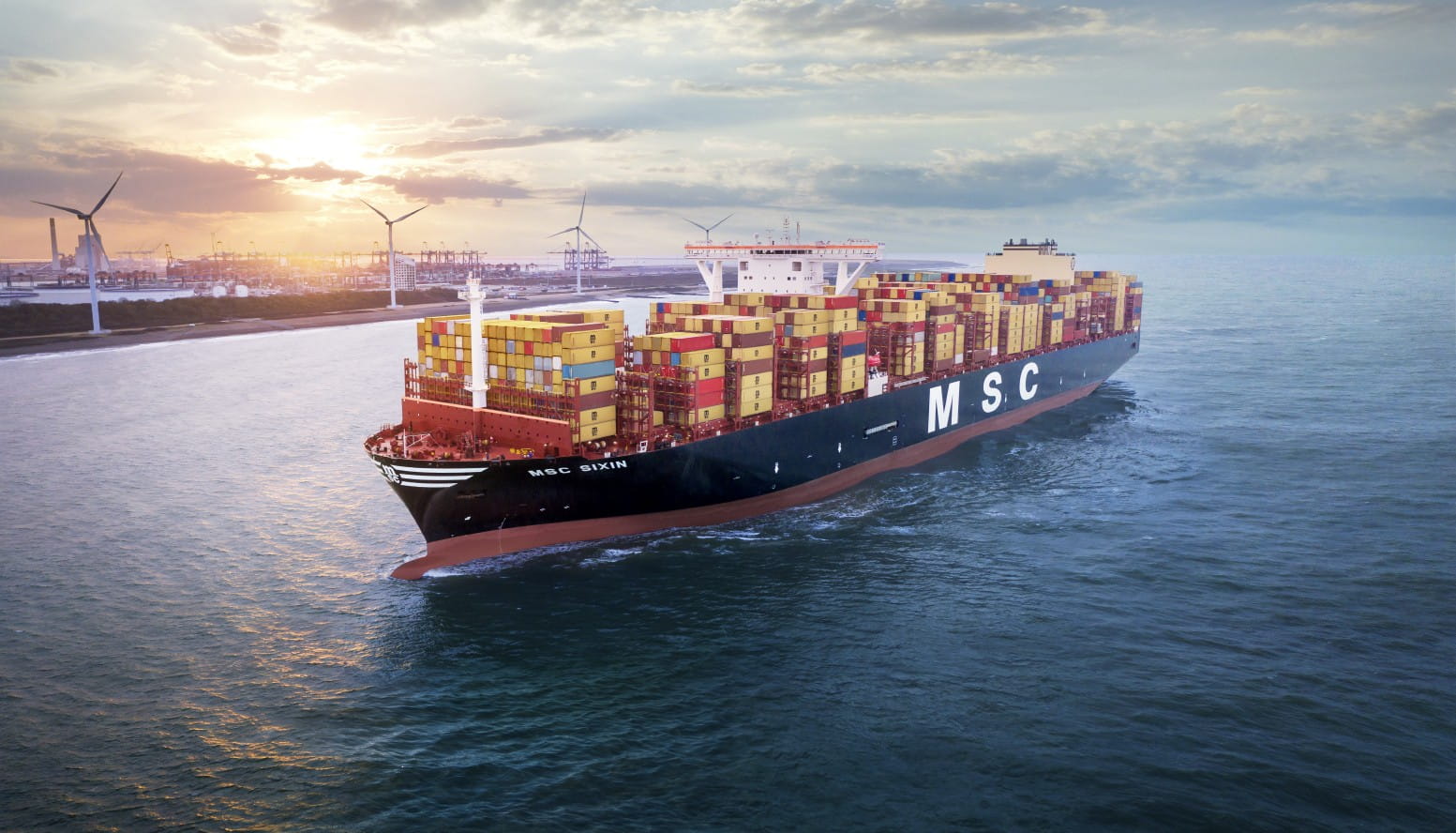
The third factor that will further boost exports is the deepening of the access channel, which will allow for the docking of larger vessels and will have space to transport even more products. This will be possible thanks to the concession of the Access Channel to the Port of Paranaguá, carried out through a public auction on the Brazil Stock Exchange (B3).
The winning consortium must make all necessary investments within five years of the contract award. This includes increasing the draft—the maximum depth of the vessel to the water surface—from the current 13.3 meters to 15.5 meters within five years.
The 2.20-meter increase in draft will allow a ship to carry 14,000 more tons of solid vegetable bulk cargo, without additional operating costs.
All these changes will considerably increase the competitiveness of the Port of Paranaguá, one of the main bulk cargo ports in the world. Another additional advantage will be greater safety in vessel maneuvers and the reduction of operation time, which considerably reduces the cost of cargo transport leaving Paraná.