/Agencia Reuters
The United States and Iran are close to signing a memorandum of understanding to end the war that has paralyzed logistics in the Persian Gulf, according to diplomatic sources after weeks of hostilities.
Despite initial optimism, the region remains on alert due to the fragility of the negotiations and recent military activity in the area.
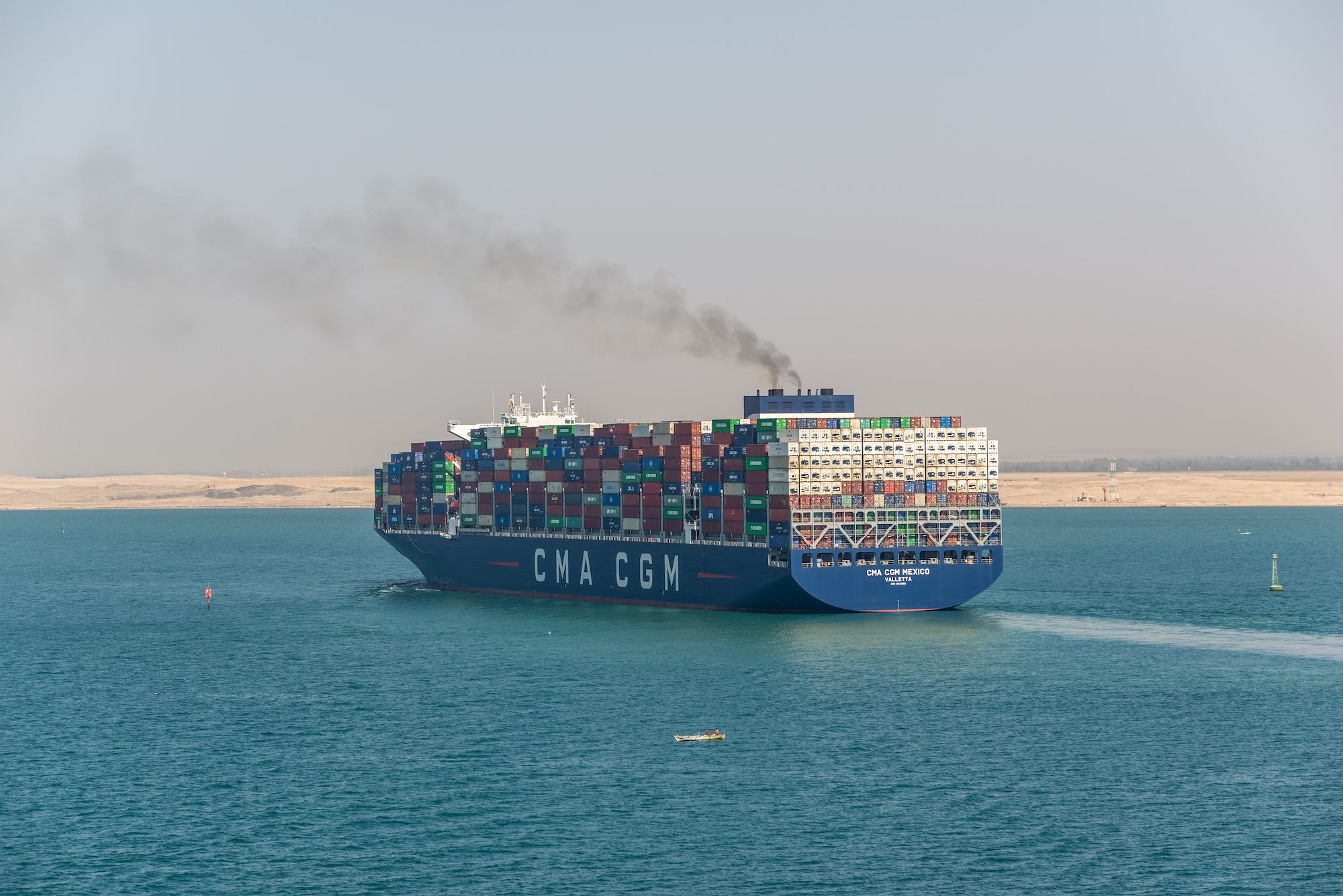
The announcement of a possible de-escalation agreement comes at a critical time for the regional economy, marked by the effective closure of the Strait of Hormuz and recurrent attacks against the strategic infrastructure of the United Arab Emirates (UAE).
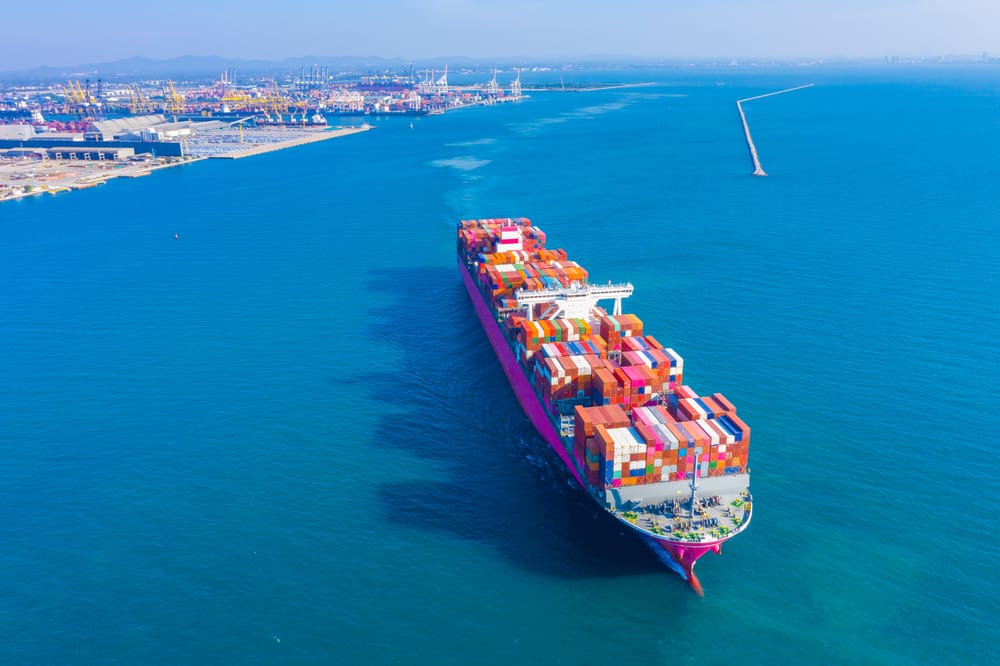
The commercial paralysis has forced a structural reconfiguration of global energy routes, shifting the axis of operations toward the ports of Fujairah and Khor Fakkan on the eastern Emirati coast.
This diversion has allowed the Abu Dhabi National Oil Company (Adnoc) to maintain its crude oil exports via the Abu Dhabi Pipeline, avoiding passage through Hormuz.
However, Iran’s Revolutionary Guard has responded by formally extending its “control zone” into these waters of the Gulf of Oman, identifying these terminals as new points of vulnerability following recent drone attacks that have pushed Brent crude oil prices above 115 dollars.
The economic impact of the conflict has exceeded the baseline scenarios of international organizations, severely affecting global supply chains. The International Monetary Fund (IMF) warned that the world faces a scenario of high inflation and low growth if instability persists, highlighting an increase of up to 40% in the cost of fertilizers.
In response to the threat to navigation, European powers such as France and the United Kingdom have mobilized naval air groups, including the aircraft carrier Charles de Gaulle, to secure transit in the Gulf of Aden and the southern Red Sea.
At the local level, the war has transformed daily life in urban centers such as Dubai, where air freight costs have soared by 70%. The disruption of maritime flow has forced the food service and hospitality sector to reduce menus and rely on local suppliers due to the impossibility of importing fresh products.
Although a gradual return to normality is perceived following the technical ceasefire of April 8, authorities maintain tax relief measures to cushion the 27% drop in commercial demand caused by geopolitical uncertainty.