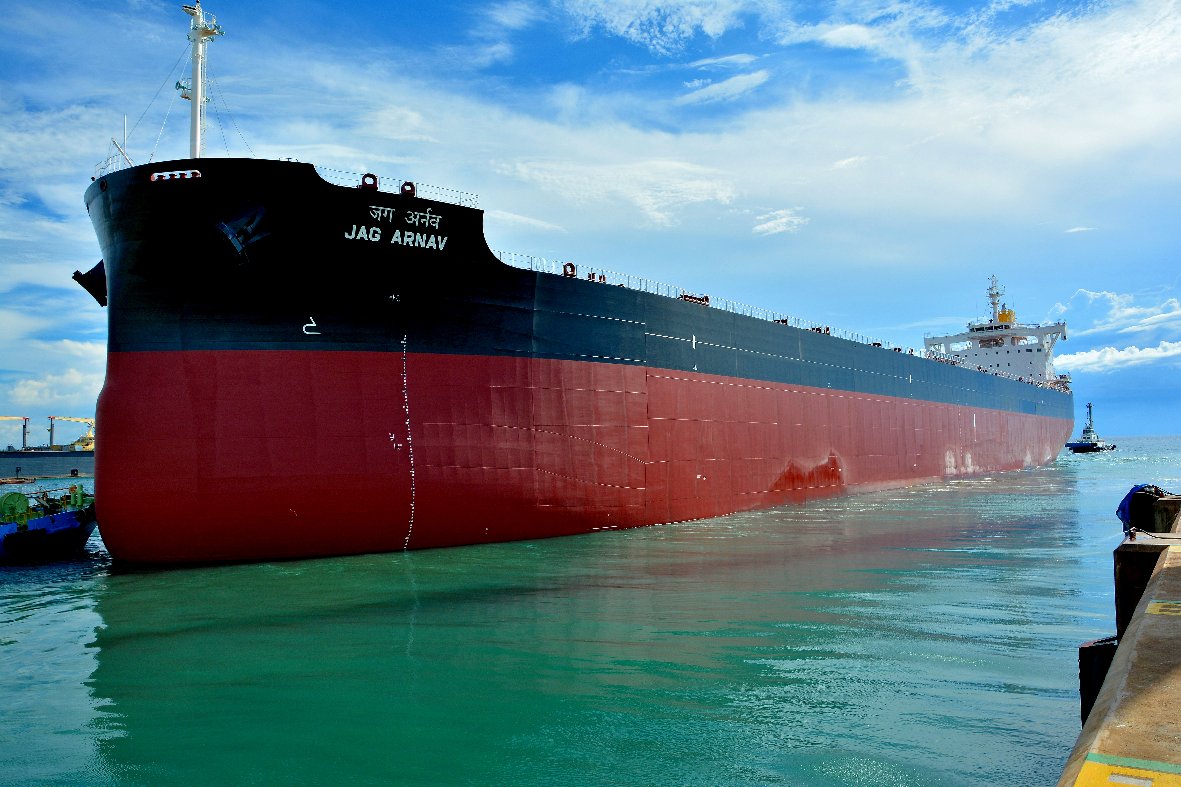
Life at sea is by no means a place for health and recuperation.
Long working hours, high-intensity labor, and irregular schedules make it easy to overlook that health should be the top priority.
However, maintaining a healthy body and good condition is not only about physical comfort but also about being able to maintain safety awareness, alertness, and readiness to perform work tasks at all times.
Seafarers do not need to follow strict health regimens; they only need to develop a few practical and easy-to-maintain habits—such as improving diet, drinking plenty of water, and increasing physical activity—to bring significant changes to life on board.
Next, let’s look at which methods are practical and why these methods are crucial.
1. Balanced Diet: Make the Most of Available Ingredients
The Plate Method
The menu on board may not be considered gourmet, and you might even feel the same dish is “chasing” you across the ocean.
But even with limited choices and repetitive dishes, making smart dietary choices can still be very helpful.
The “Plate Method” is a practical reference guide, simple and intuitive, and easy to apply at sea:
1/2 of the plate: Vegetables or salad (fresh, frozen, steamed, or pickled are all fine). Salad can be added multiple times as needed.
1/4 of the plate: Protein foods, such as meat, chicken, fish, eggs, legumes (lentils, chickpeas, various beans, etc.), dairy products (cheese, yogurt, milk, or kefir).
1/4 of the plate: Carbohydrate foods, such as rice, pasta, potatoes, bread.
If available, prioritize whole grain versions (like brown rice, whole wheat bread, etc.), as these are not only healthier but also provide a longer-lasting feeling of fullness.
Optimal Pairing Principle
Whenever possible, even when snacking, try to ensure each meal includes all major food categories:
♦ Protein: Helps build strength and repair muscles.
♦ Carbohydrates: Provide energy for the body.
♦ Healthy Fats: Such as olive oil, seeds, nuts, or oily fish, beneficial for brain and heart health.
♦ Fresh Ingredients: Whether fruits or vegetables (in any form), they supplement dietary fiber and various nutrients.
Intuitive Eating
“Intuitive Eating” is also helpful; its core is “listening to your body’s signals”: eat when you’re hungry, but don’t wait until you’re “hangry” (irritable due to extreme hunger) to eat;
stop when you’re full, aiming for “satisfaction,” not overstuffed.
Ideally, nutritionists recommend stopping before feeling “completely full,” but honestly, this is easier said than done, so there’s no need to be overly strict about it.
However, remember not to finish everything on your plate out of habit, boredom, or loneliness.
The 80/20 Rule
We should not label foods as “good” or “bad.”
You can eat anything you like, as long as you aim for moderation.
A basic and useful rule of thumb is the 80/20 method: eat healthy, balanced meals 80% of the time, and enjoy snacks or comfort foods the other 20% of the time.
“Food should nourish your body and soul. It should keep you going while bringing you joy. A happy, balanced meal is one you look forward to.”
2. Stay Hydrated: The “Secret Weapon” of Health
Dehydration can manifest as fatigue, headaches, difficulty concentrating, or even dizziness.
The air-conditioned environment on board, high-salt foods, and hot work areas can quickly lead seafarers into a state of dehydration.
To prevent dehydration, it is recommended to:
♦ Carry a water bottle with you as much as possible and refill it often.
♦ Drink water at regular intervals; don’t wait until you’re thirsty. You can even set hydration reminders.
♦ Reduce intake of sugary drinks and energy drinks, as these do not effectively hydrate.
Even mild dehydration can affect your ability to work safely and your long-term health, so do not wait until you are thirsty (or even feel thirsty) to drink water.
The average adult needs to consume about 2.5-3 liters (or even more) of fluid per day, especially in hot environments or during physical labor. Be sure to ensure adequate water intake.
3. Stay Active: Move Whenever and Wherever Possible
Regular activity helps maintain physical strength, flexibility, and overall health.
You can try the following methods:
♦ If the ship is equipped with a gym, make full use of it.
If conditions allow, organizing a sports group with colleagues is even better—a “workout buddy” makes it easier to stick with it.
♦ Do bodyweight exercises in your cabin: squats, push-ups, planks, etc. Just 15 minutes a day can show results.
You can create a basic training plan and rotate it weekly to ensure all major muscle groups are exercised evenly.
♦ Stretch after work (or during breaks, if conditions allow).
♦ Consciously increase your step count.
Space on board is limited, so you may need to get “creative” to walk more—every step counts, and small efforts add up significantly.
♦ During port calls, if shore leave is permitted and work schedules and weather conditions allow, seize the opportunity to walk more.
Explore locally on foot, breathe fresh air, and sample local specialty foods or fresh ingredients. This is beneficial for both physical and mental health and also allows you to experience different cultures.
4. Build Connections and Relaxation Moments
Fatigue is not just “tiredness”; it can be physical fatigue, mental exhaustion, or both—it slows reaction times and impairs thinking.
Coupled with loneliness or homesickness, fatigue can accumulate and even lead to “burnout.”
The following methods can help alleviate this:
♦ Maintain regular sleep habits as much as possible.
Aim for at least 8 hours of sleep per day; naps can contribute to this total.
♦ Communicate more with other crew members—sometimes just having a coffee and a simple chat together can provide great comfort.
♦ Stay in touch with friends, family, and loved ones ashore—regular communication bridges the distance and maintains emotional bonds.
Frequently do things that help you “recharge”: call or video call home, play games with crewmates, read a good book, have a cup of hot tea, or, if possible, persist with your hobbies.
Mental health is an important part of ensuring safety, health, and work efficiency.
A crew that is connected, well-rested, and in good spirits is a more effective team.
5. From a Safety Perspective: The Balance Between Health and Risk
From the perspective of safety and loss prevention, a healthy crew is a safe crew:
♦ Staying well-hydrated, well-rested, and well-nourished helps reduce the risk of operational errors and injuries.
♦ Good physical condition enhances work performance.
♦ Healthy physical and mental states help speed up reaction times, maintain clear thinking, and promote teamwork.
Taking care of your health is not a “luxury” but a necessary part of performing work safely and professionally, and it is the lifestyle you deserve.
6. Health is a Shared Responsibility
Although seafarers can do a lot for their health through personal choices, maintaining health is easier in a supportive environment.
Therefore, shipping companies can help in various ways. Here are some suggestions:
♦ Provide a variety of nutritious, balanced ingredients and healthy food options as much as possible.
♦ Provide crew with a basic, well-equipped exercise space and ensure time for exercise.
♦ Consider arranging monthly online consultation services, allowing crew to communicate with nutritionists or fitness coaches, track health progress, and receive professional support for achieving dietary and exercise goals.
♦ Additionally, provide confidential online consultation channels (via phone or video) so crew can seek help and guidance from professionals when experiencing psychological discomfort, stress, or emotional issues.
Healthy habits are easier to maintain only when the onboard environment facilitates them.
Seafarers should understand that they are not alone on the path to maintaining health.
Conclusion: Small Habits, Big Impact
You don’t need to be “perfect,” you just need to “persist.”
Improve your diet as much as possible, consciously increase your activity, ensure adequate hydration, get good sleep, enjoy your meals, connect with others, and support each other.
After all, the most important and precious “equipment” on board is not the helm, radar, or engine—it’s you.