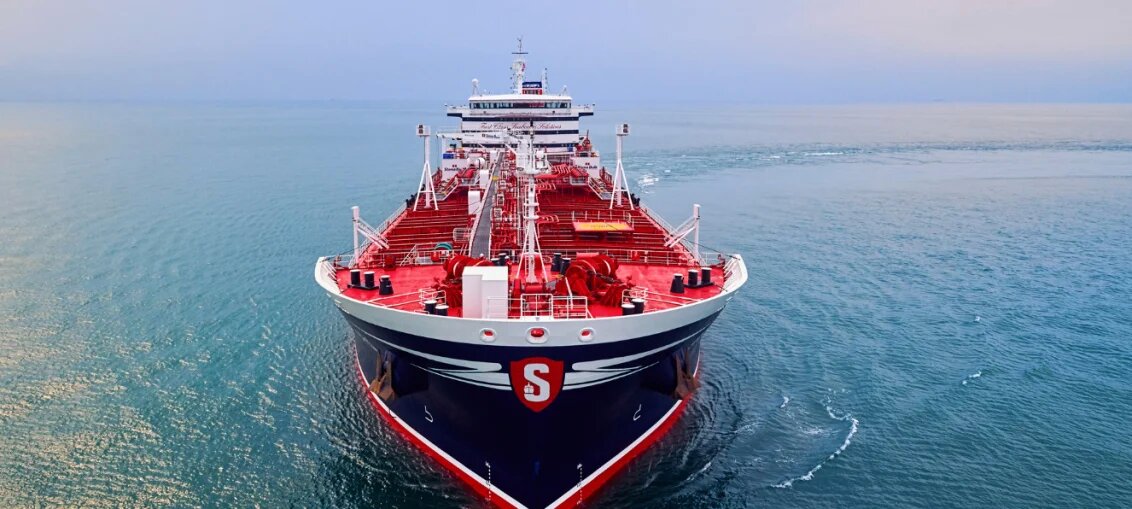
Life on board for seafarers can be very busy, making it easy to neglect self-care and forget to drink enough water, which is one of the fundamental elements of health.
Dehydration can negatively impact a person’s health and may cause or exacerbate certain conditions, including kidney stones.
What are kidney stones?
Kidney stones are essentially hard masses formed by the crystallization of minerals, salts, and other waste products, generated within the kidneys.
Their size can be as small as a grain of sand or as large as a pearl.
Stones can cause pain as they pass through the urinary tract.
Main symptoms of kidney stones
Typically, symptoms only appear after a kidney stone moves within the kidney or enters the ureter:
Severe pain in either side or the lower back
Persistent vague abdominal pain
Frequent urge to urinate or passing small amounts of urine
Blood in the urine
Cloudy, foul-smelling urine
Fever, chills
Nausea /or vomiting
Hydration: The key to preventing kidney stones
The best way to prevent kidney stones is to ensure you drink plenty of water every day to avoid dehydration.
As expected, when the body is properly hydrated, urine is more diluted and contains fewer stone-forming substances.
Adequate hydration also helps flush away bacteria and other substances that can cause kidney infections or inflammation.
Drinking plenty of water and other fluids can help the body avoid excessive dehydration and reduce the risk of kidney stones.
How to stay adequately hydrated?
To prevent kidney stones, the human body needs to consume up to 3 liters of fluid per day. The UK National Health Service (NHS) recommends:
Prefer drinking water (the healthiest choice); beverages like tea and coffee also count towards fluid intake
Add fresh lemon juice to water
Avoid carbonated drinks
How to monitor your own condition?
A simple way to judge whether you are drinking enough water and if you are at risk for kidney stones is to observe your daily urine output – frequent urination is usually a good sign.
Also note that the darker the urine color, the more concentrated it is (indicating possible dehydration).
Other risk factors for kidney stones
Diet
A diet high in sodium, animal protein, and refined carbohydrates increases the risk of kidney stones
Genetics
People with a family history of kidney stones have a higher probability of developing them
Medication
Certain medications, such as calcium-based antacids and diuretics, can increase the risk of developing kidney stones.
Underlying diseases
Underlying conditions like urinary tract infections and gout increase the risk of disease
Overweight
Being overweight can lead to increased uric acid levels in the urine and put extra stress on the kidneys, making them work harder to filter waste.
6 tips for preventing kidney stones
1. Drink more water: As mentioned above, staying hydrated by drinking plenty of water is the most important step in preventing kidney stones.
Drinking enough water daily helps flush out toxins and excess minerals that can lead to stones.
2. Eat a healthy diet: Eating a balanced diet low in sodium and animal protein may help prevent kidney stones.
Eating more fruits and vegetables also helps.
3. Limit animal protein: Consuming too much animal protein (such as red meat, poultry, and seafood) increases the risk of kidney stones.
Consider replacing animal protein with plant-based proteins (such as legumes, nuts, and tofu).
4. Limit salt: Excessive intake of salt and processed foods increases the risk of kidney stones.
Choose fresh foods over processed foods whenever possible.
5. Avoid high-oxalate foods: Oxalates are chemicals found in certain foods that can increase the risk of kidney stones. Avoid foods high in oxalates, such as spinach, green beans, rhubarb, beets, chocolate, and sweet potatoes.
6. Calcium is not the enemy: People often think that calcium increases their chances of kidney stones, but in fact, the opposite is true.
A low-calcium diet actually increases the risk of kidney stones.