PSC MoUs have a common system to assist PSC Officers (PSCO) identify deficiencies during ship inspections, using a 5 digit code with a specific description attached to it, so that PSCOs report class and codify PSC findings. All PSC Regimes, including the US Cost Guard, use the same unique deficiency codes and the list includes 578 of them.
Nevertheless, not everyone of those 578 codes are used every year. In July 2021, Paris MoU changed the list of deficiency codes incorporating all 09### digit codes regarding Living and Working Conditions, to the 18### digit codes under the same description. In addition to that, the code 10108 – Direction Finder is not being used since existing ships don’t have such equipment on board with the shipping industry moving towards digitalisation. Finally, the code 09234 – Night Working for Seafarers under the age of 18 coincides with the code 18102 about Night Working.
DSC = # of deficiency codes required to reach a % of the total findings, i.e. DSC10, DSC50, DSC100 corresponding to 10%, 50% & 100% of total findings in a port respectively.
After removing those codes, a number 553 codes in total remain with occurrences for CY2021, in which an additional 34 codes had only one appearance in PSC reports.
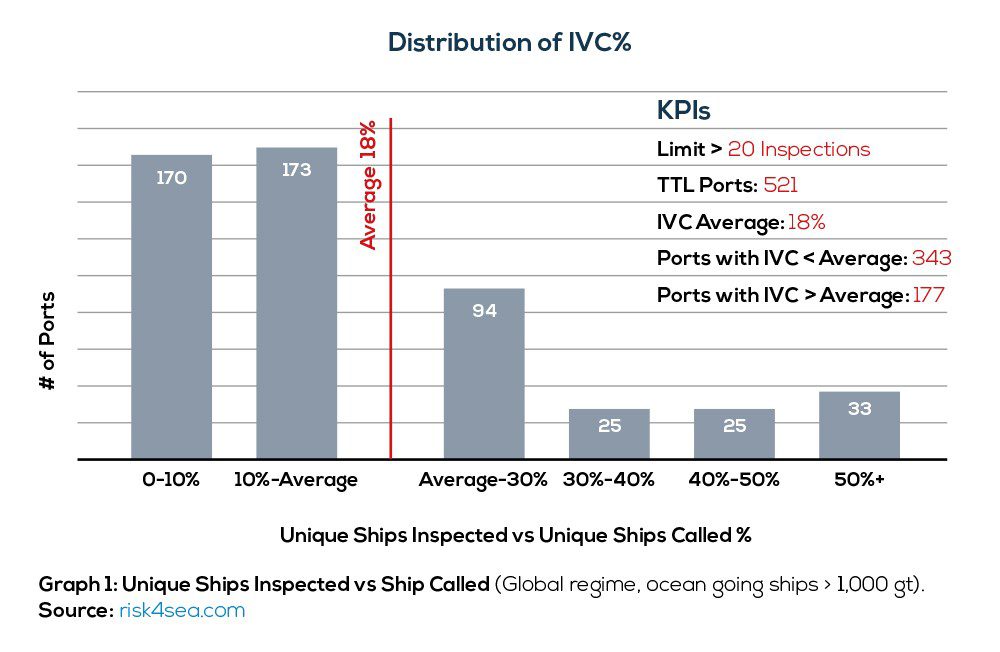 Graph 1 shows that there were only 92 deficiency codes with 1 to 5 findings for the full CY and 108 codes with 15 to 50 findings for each of them, while the vast majority of findings ( approximately 500 to 1000+ for each of the codes) for a number of 50 deficiency codes. Overall, less than 10% of the codes (i.e. 50 codes) had an accumulation of approx. 50% of the findings in the full CY. More specifically, the top 5 codes had a share of 10% of the overall findings for the full CY (Table 1).
Deficiency code
Deficiency Area
Findings
% share
07105 -Fire /openings in fire-resisting divisions
Fire Safety
2,263
2.4%
04103 – Emergency, lighting, batteries, and switches
Emergency Systems
1,970
2.1%
11101 – Lifeboats
Life Saving Appliances
1,881
2.0%
10109 – Lights, shapes, sound-signals
Safety of Navigation
1,634
1.7%
13102 – Auxiliary engine
Prop. & Auxiliary machinery
1,461
1.6%
Total
9,209
10%
Table 1: Top 5 Deficiency Codes, CY 2021, source:
It is worth mentioning that the deficiency code 15150 – International Safety Management accumulated 2.170 findings (2.3%), but since this code is used as an umbrella code during inspections to accompany other findings, it should not be included in the top 5 codes. Another critical factor regarding PSC deficiencies is the number of deficiency codes used in a port in relation to the total deficiencies, meaning, for example, how many codes are being used to reach the 80% of total deficiencies. Table 2 shows examples of ports with an increased number of inspections and the factors of Deficiency Code Spread, i.e. DSC10, 50 and 80 (Deficiency Codes used to sum the 10%, 50% or 80% of total deficiencies in a port) for 2021.
#
Port
Inspections
TTL deficiencies
DCS10
DCS50
DCS80
1
Novorossiysk, Russia
1,297
6,551
2
18
54
2
Vladivostok, Russia
949
3,232
2
12
31
3
Lagos, Nigeria
642
243
1
6
19
4
Port Hedland, Australia
647
824
3
18
47
5
Tianjin, China
593
1,034
1
7
32
6
New Orleans, USA
506
177
1
4
14
7
Alexandria, Egypt
668
870
2
12
38
8
Antwerp, Belgium
501
2,217
2
11
78
9
Singapore
483
107
2
11
25
10
Rotterdam, Netherlands
513
948
3
2
76
Table 2: Ports with increased inspection ratio and the Deficiency Codes used to sum the 10%, 50% or 80% (DSC10, 50. 80) of TTL Deficiencies, CY 2021, source:
Key Highlights
Finally, ship managers should be aware of such facts in order to know beforehand the top deficiency codes that the inspector will focus on in each port and prepare their ships for an upcoming PSC inspection. However, it is difficult to identify focus areas in ports where a wide spread of deficiency codes is used since it is possible that inspections will be made for all deficiencies.