A new report from the University of Southern Denmark in collaboration with the shipping company Hafnia shows that gender-mixed crews on cargo ships affect cooperation, leadership, and well-being on board. But the change requires both a reckoning with old norms and increased focus on mental health.
The report ‘Beyond the Bow’ was prepared by the Research Unit for Maritime Health and Technology at SDU and examines how it affects daily life on board when men and women work side by side in an otherwise male-dominated industry.
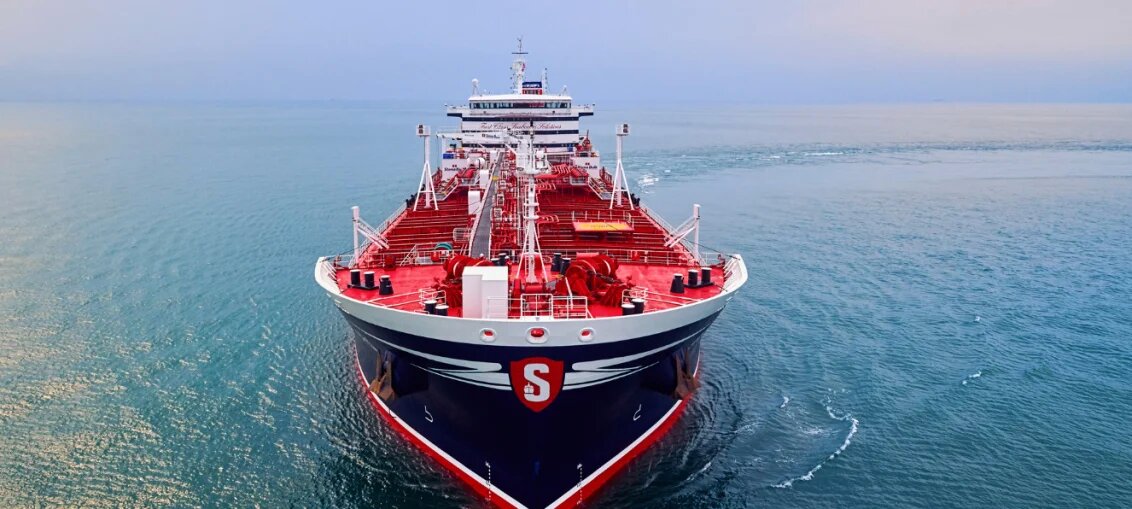
The investigation is based on questionnaire data, interviews, and fieldwork on Hafnia’s cargo ships, where they have actively worked with gender-balanced crews.
“Diversity crewing is a development that will take time. It’s about changing norms and traditions that have been entrenched for centuries to make room for a new culture,” says Senior Researcher Lisa Loloma Froholdt, who, together with her research unit, is behind the report.
The concept of diversity crewing covers the deliberate composition and support of crews with a view to differences in gender, age, nationality, and experience – instead of recruiting solely according to familiar patterns.
Although many see the benefits of diversity, some men experience that women are favored – for example, in promotions.
“It is natural that resistance arises in a culture that has existed for several centuries. For the diversity project to succeed, it was necessary to have a special focus on women and ensure their presence across functions on board,” says Lisa Loloma Froholdt.
According to the report, gossip, stereotypes, and uncertainty about social norms can create unrest if there is no active work on culture, communication, and leadership.
It’s not just attitudes that need to change – the physical framework also plays a role. This includes, among other things, workwear, facilities, and technical equipment.
“Technology must keep up. Lighter ropes exist, for example, but they are not yet used everywhere. Workwear must to a greater extent be adapted to women’s bodies, and there must be proper changing rooms and toilet facilities – that is something both women and men are requesting,” says Lisa Loloma Froholdt.
If the practical conditions are not improved, there is a risk that it will become too difficult to retain women in the industry – not because of the work itself, but because of the framework, she believes.
The report shows that mental health is a challenge for both genders. Men particularly report sexual harassment, loneliness, sleep problems, and in some cases, suicidal thoughts.
Therefore, it is important that both men and women are supported in thriving – and that bullying and harassment are prevented through clear policies and procedures.
“There must be robust policies and procedures to prevent sexual harassment and reduce bullying at sea.
This report contributes concrete knowledge about how it can happen in practice, and what companies, managers, and employees should be aware of,” says Lisa Loloma Froholdt.
According to Lisa Loloma Froholdt, the report’s insights are also relevant in other industries with strong traditions and gender-divided norms – such as transport, construction, and defense.
The experiences the project has generated regarding collaboration, safety, and leadership in multicultural and gender-mixed teams can inspire better work environment efforts in many sectors.
“We hope that the experiences will be used actively – both to support new seafarers, improve cross-cultural collaboration, and to create a more inclusive maritime culture where everyone wants to contribute,” she says.
This applies especially to the young and newly employed men and women:
“We must ensure that they are not left standing there like ‘deer in the headlights’, but get a good transition to life on board. This way, the industry can better retain them – because they thrive, feel part of the community, and want to stay in the maritime profession”.
-mauh
Parties: The Research Unit for Maritime Health and Technology, Department of Health Services Research, University of Southern Denmark and the shipping company Hafnia.
Method: Combination of questionnaire data and anthropological fieldwork on selected cargo ships. The fieldwork included observations, interviews, and participation in the crew’s daily life.
Purpose: To investigate what promotes and hinders diversity, and how it affects collaboration, safety, well-being, and work culture.
Funding: The project is funded by The Danish Maritime Foundation and Hafnia as part of a strategic collaboration with SDU on work culture and diversity.
The Report: Published November 11, 2025 and can be read HERE