/Reuters Agency
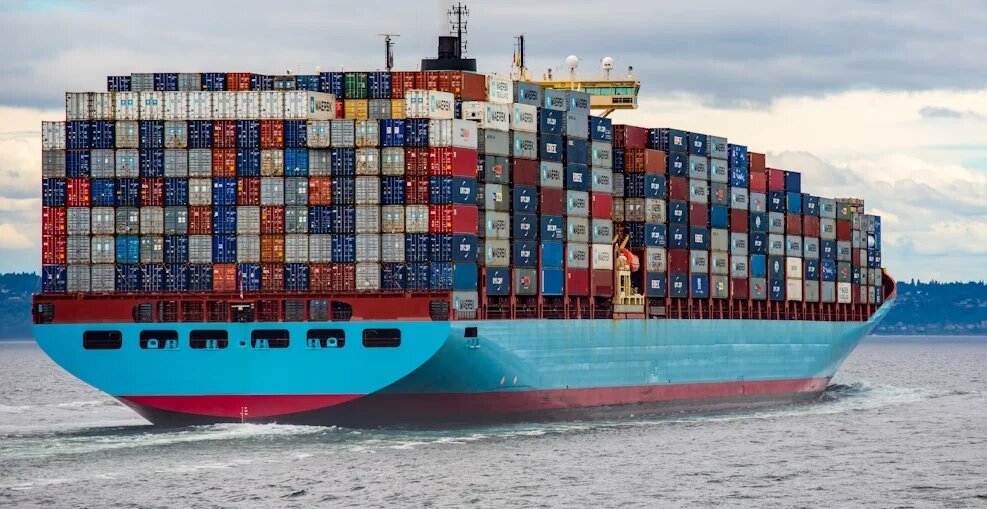
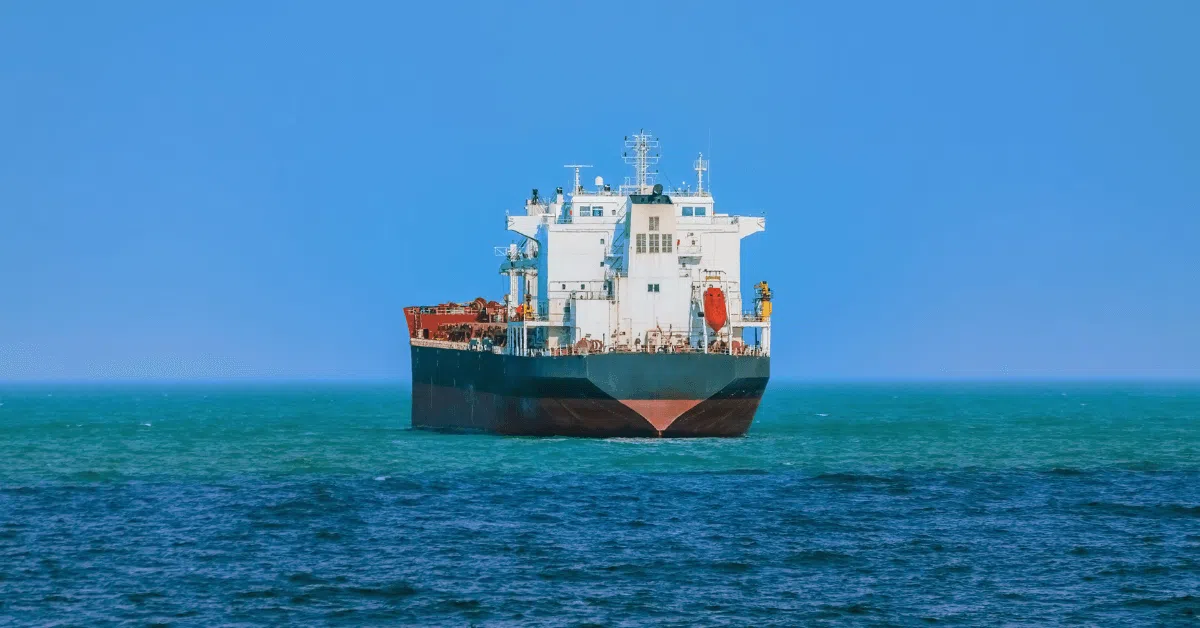
Approximately 1.4 million barrels per day of Russian oil, representing nearly a third of the country’s seaborne export potential, remain on tankers due to a slowdown in unloading operations, caused by the sanctions imposed by the United States against Rosneft and Lukoil, according to a report by JPMorgan.
The United States set a deadline of November 21 to finalize all transactions with Rosneft and Lukoil, in what constitutes the first direct penalties imposed on Russia by President Donald Trump since the beginning of his second term.
The sanctions have significantly affected Lukoil’s business, forcing it to announce the sale of assets abroad and disrupting its operations in Iraq, pumping stations in Finland, and a refinery in Bulgaria.
In this regard, trading sources informed Reuters that -so far- Russian oil exports have remained relatively stable.
JPMorgan pointed out that, with the November 21 deadline for receiving oil supplied by the sanctioned companies, the unloading of cargoes could become considerably more difficult from then on.
“Russian oil exports are entering a new phase of disruption, as the sanctions against Rosneft and Lukoil are about to take effect, which has led their two largest customers -India and China- to drastically reduce their purchases for December,” the entity stated.
Traders told Reuters earlier this week that many vessels loading at Russia’s western ports -Primorsk, Ust-Luga, and Novorossiysk- list Port Said or the Suez Canal as their destination, but then continue on to Asian ports, mainly in India and China.
The unsold oil is eventually expected to be shipped to China, as Russian crude is being traded in Asia with the largest discounts of the past year.