The Santos Port Authority (APS) and the Portulano Consortium signed a contract on Thursday, August 6, to implement a Vessel Traffic Management and Information System, or VTMIS, at the Port of Santos.
The system, awaited for 15 years, is expected to begin partial operations in 2027. Its goal is to improve real-time monitoring of vessel traffic, increase navigational safety and support efforts to combat illegal activity, including international drug trafficking.
The contract is worth R$88.99 million and will run for five years. The Portulano Consortium will have up to two years to carry out the works, install equipment and build the required infrastructure. For the following three years, it will be responsible for integrated logistics services.
The consortium is made up of BEN Bureau Engenharia & Negócios, Erival Telecomunicações Comércio e Representações and Almaviva Solutions.
Real-time monitoring
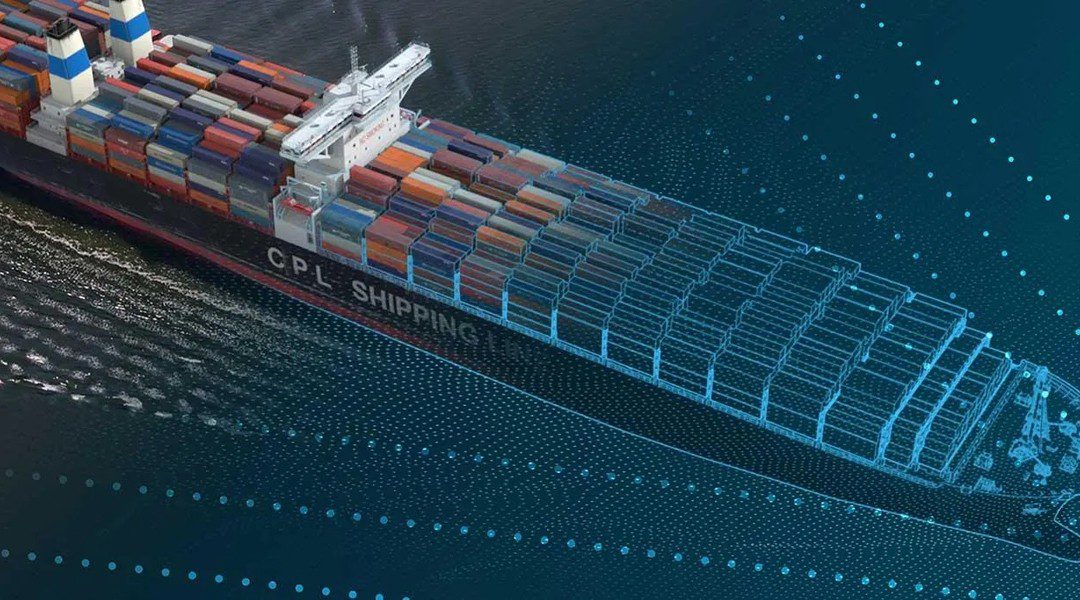
The VTMIS infrastructure will include cameras, radars and monitoring stations installed at strategic points. Information will be transmitted in real time to an operations center located at APS.
The system will make it possible to monitor traffic from vessel approach areas and anchorages to the access channel, berths and private terminals.
It will also share information with the Federal Police’s Maritime Police unit, the Brazilian Navy, the Federal Revenue Service and other agencies involved in preventing and combating crimes targeting ships and port facilities. One of its functions will be to identify, in real time, suspicious vessels or vessels not authorized to navigate within the organized port area.
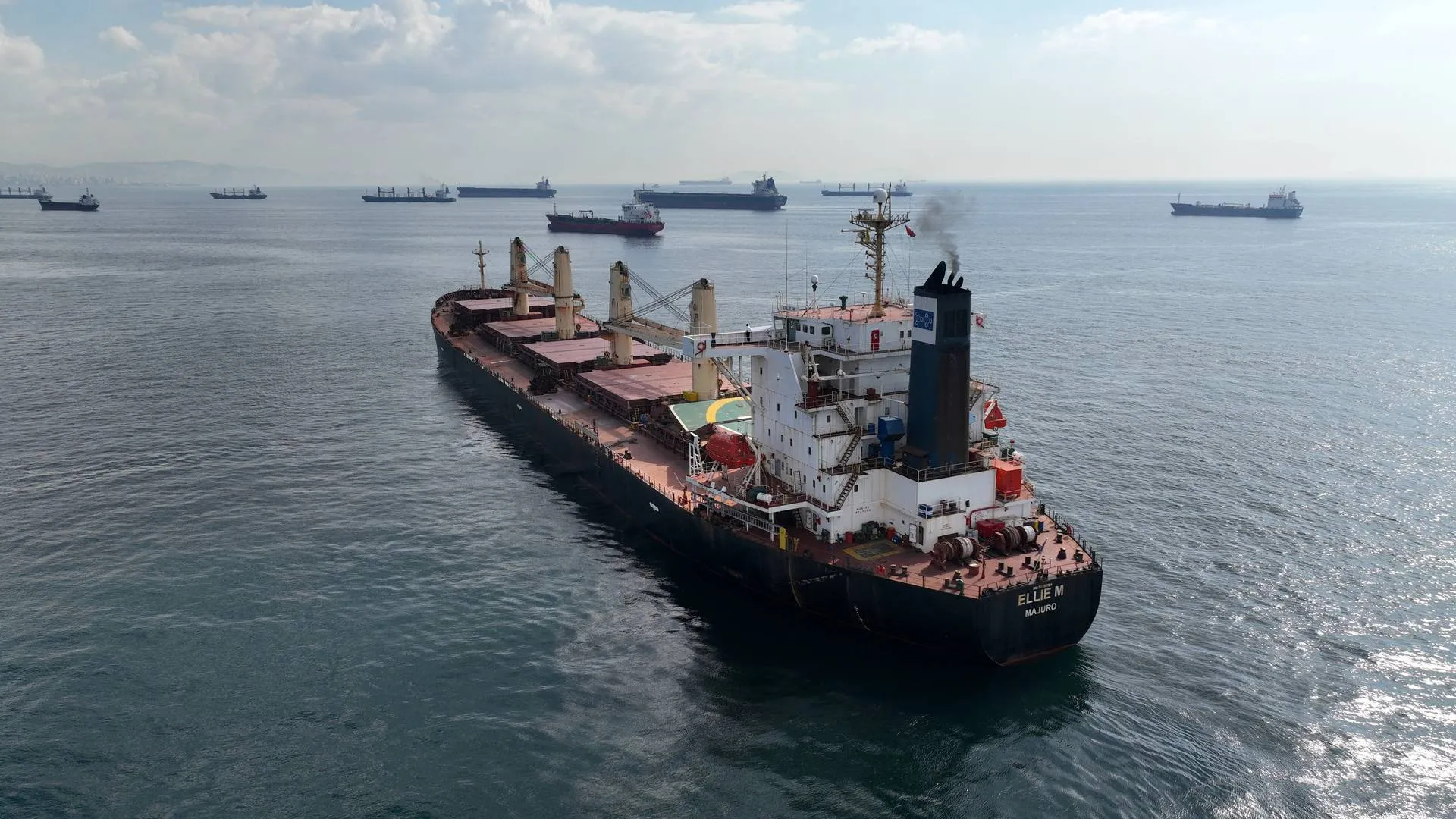
The Port of Santos accounts for approximately 30% of Brazil’s foreign trade and is considered the largest port complex in Latin America. Its waterway channel is 25 kilometers long, with 16 kilometers of quay and 55 berths.
The complex records an average of 15 vessel berthings a day and around 30 ship entry and exit movements, with peaks of up to 40 movements.
Technology integration
VTMIS is part of the Port of Santos’ broader technology modernization package, which also includes the Port Management Information System, or PMIS; the Vessel Sequencing System; the Digital Twin; 5G network deployment; Smart Porto; and the Port of Santos app.
One radar station will be installed on Ilha da Moela, near Guarujá and the anchorage area used by merchant vessels. Administered by the Brazilian Navy, the island is home to a 19th-century lighthouse and serves as a navigational reference point in the region.
The station will include a tower, maritime radar, meteorological equipment and electro-optical cameras. The equipment will be powered by solar photovoltaic energy.
A project 15 years in the making
Plans to implement VTMIS at Santos began more than 15 years ago. Over that period, institutional changes, scope revisions, regulatory adjustments and shifting investment priorities led to repeated delays.
APS carried out the preliminary studies required by the Brazilian Navy with three main goals: shortening the implementation timeline, making use of radars and structures delivered under a previous contract, and advancing negotiations with landowners of the areas designated for the stations.
In September 2024, the Navy’s Directorate of Hydrography and Navigation granted the implementation license for the system.
Agreements, assessments and authorizations required to launch the tender were later completed.
According to APS, roughly 11,000 documents were produced during preparation of the tender because of the project’s complexity.
The new structure reduced the full implementation timeline from four years to two. By the end of the first year, in 2027, VTMIS is expected to begin operating partially.
Main benefits
VTMIS will allow active monitoring of vessels and help reduce the risk of collisions, groundings and other accidents. The information generated by the system will also support decision-making by ship captains and maritime pilots.
The system will be able to identify risk situations and issue real-time alerts, helping protect crews, passengers and port workers.
Operational benefits include improved vessel flow, shorter waiting times and better planning for entry, exit and berthing maneuvers.
On the environmental front, the system will help prevent incidents such as oil spills and allow faster emergency response.
The information will also be integrated with the port’s management systems, supporting logistics planning, port security and compliance with regulatory requirements.
VTMIS may also support search and rescue operations, firefighting and other critical situations. Developed in line with national and international standards, the system is expected to strengthen the confidence of shipowners, operators and maritime authorities.
Source: A Tribuna