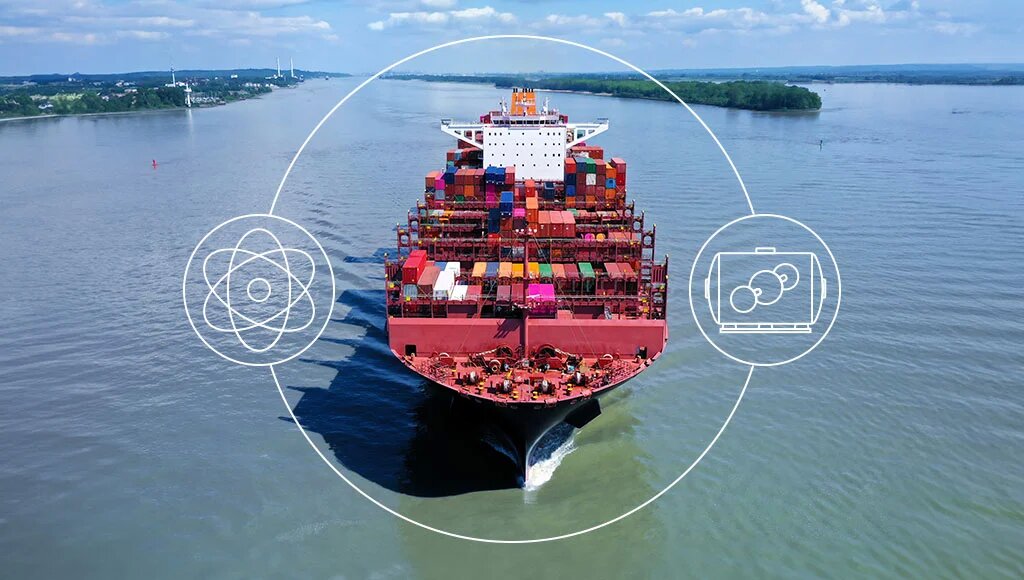
The first of five Seaspan container ships has undergone a methanol dual-fuel conversion in a joint effort with liner operator Hapag-Lloyd and engine designer Everllence
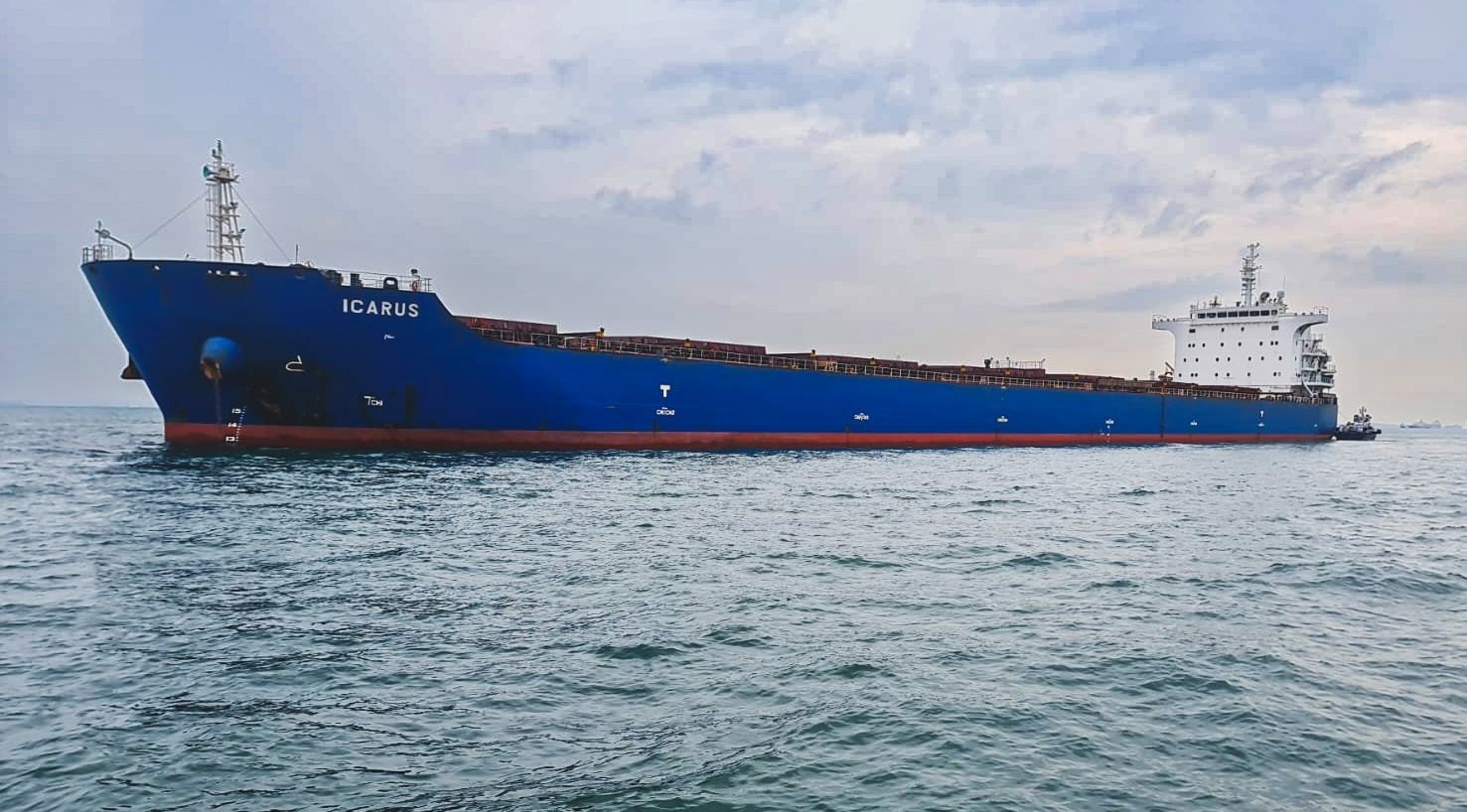
Seaspan Yangtze is now capable of operating on methanol, following a retrofit of its conventional two-stroke, slow-speed engine to dual-fuel operation. The 10,100-TEU container ship is the first of five such vessels owned by Seaspan and under long-term charter to Hapag-Lloyd that will undergo dual-fuel conversion.
Engine designer Everllence’s after-sales division, PrimeServ, completed the upgrade of the ship’s large-bore MAN S90 main engine. Carried out at COSCO Shipping Heavy Industry (Shanghai), the work was completed on 2 June, and the ship has since returned to service.
“Retrofitting existing vessels is an important lever on our way to decarbonise our fleet operations by 2045,” said Hapag-Lloyd managing director, Silke Lehmköster. “The successful conversion of Seaspan Yangtze shows that technical innovation and close cooperation with strong partners can make proven vessels ready for the use of low-carbon fuels. For our customers, this is another concrete step towards more sustainable supply chains.”
These conversions represent a major investment. Hapag-Lloyd estimated the price tag for the five retrofits is approximately US$120M. Subsequent methanol dual-fuel retrofits will be carried out onSeaspan Amazon, Seaspan Ganges, Seaspan Thames, and Seaspan Zambezi.
But the conversion programme is expected to yield substantial commercial and environmental benefits. Each conversion can reduce CO2e emissions by approximately 30,000 – 50,000 metric tonnes per vessel annually when operating on low-carbon methanol. The project also extends the operational life of existing vessels, improves regulatory compliance, and increases fuel flexibility, said the ship operator. Upgrading existing assets is also less capital-intensive than alternative fuel-capable newbuilds.
Hapag-Lloyd director, Fleet Innovation and Project, Christoph Thiem, said this retrofit “shows that upgrading existing vessels to methanol dual-fuel operation is no longer a concept, but a proven and repeatable engineering solution.”
Retrofitting existing vessels helps “bridge the gap between today’s fleet and the fuels of the future,” added Seaspan CTO Peter Jackson.
As part of the retrofit solution package, Seaspan’s box ships will have a two-year subscription to PrimeServ Assist, a 24/7 data‑driven monitoring and advisory service. The service uses AI and expert remote diagnostics to monitor engine performance, detect and troubleshoot anomalies, and support equipment maintenance decisions.
Post-retrofit, Seaspan anticipates that the box ship’s IMO Energy Efficiency Existing Ship Index (EEXI) will be approximately 55% lower than the international minimum standard (Phase 0).
This project is the 30th dual-fuel upgrade of an existing vessel performed by PrimeServ across LNG, methanol, and LPG platforms. In 2025, it completed its first retrofit of an Everllence B&W S90, upgrading Cosco Shipping Libra’s 11S90ME-C engine to an 11S90ME-LGIM (-Liquid Gas Injection Methanol) unit.
Typically, the main modifications for methanol dual-fuel retrofits performed by PrimeServ include the cylinder covers with exhaust valves, fuel and methanol injectors, methanol control blocks and adapter blocks, double-walled piping, a sealing oil system, a new Everllence B&W ME-LGIM control, a fuel booster, exhaust valve actuators, and a fuel valve train.
The methanol tank, methanol supply system, nitrogen system, and ventilation system for the double-wall piping are usually supplied by the owner, yard, or third parties.