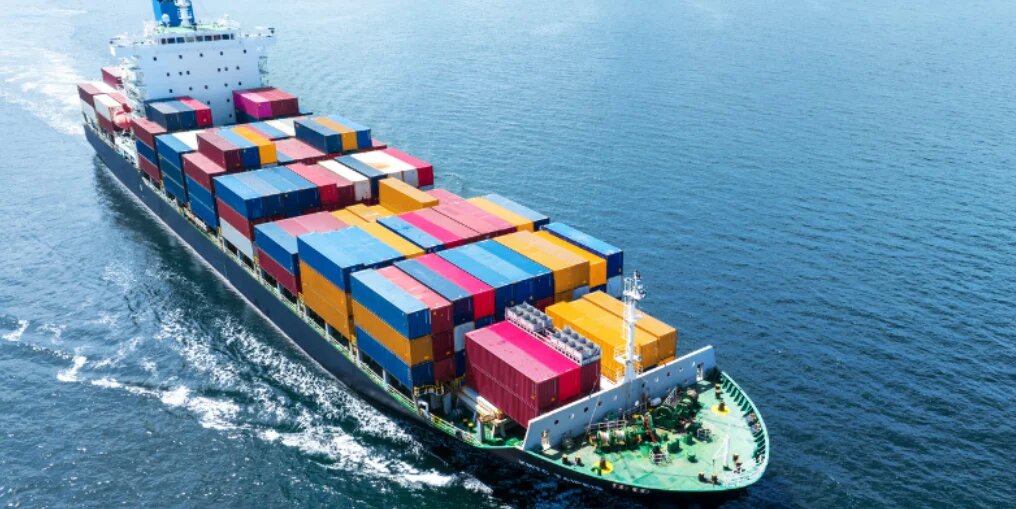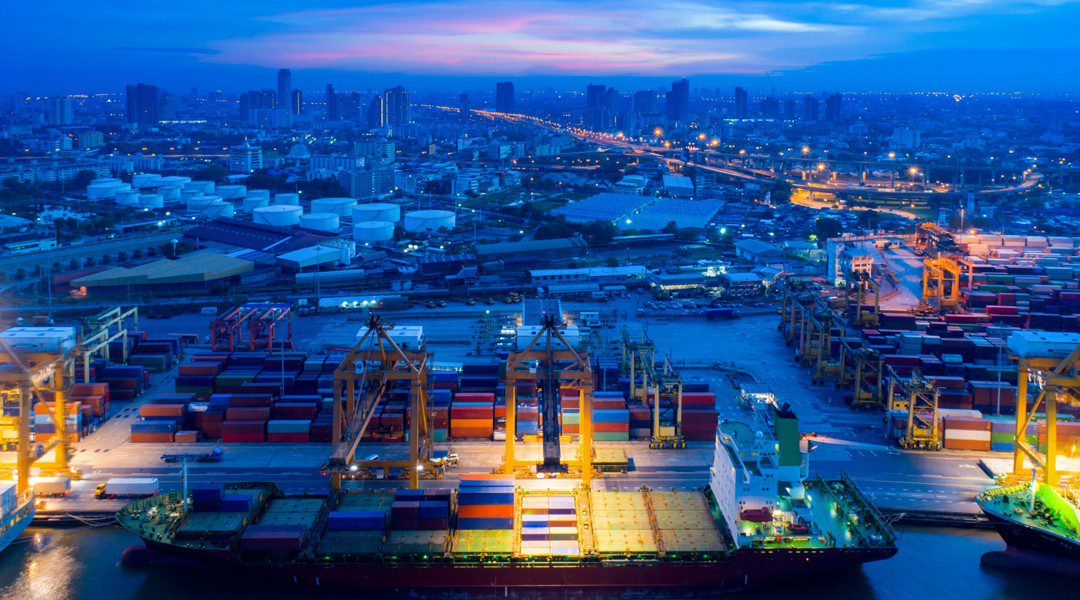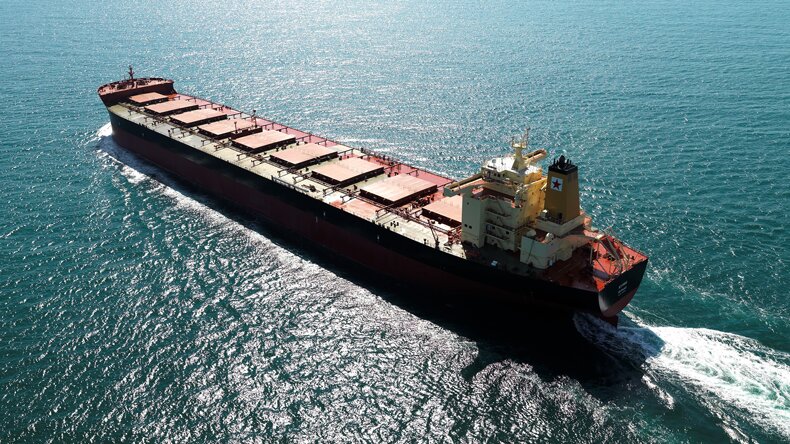
After the Houthi attacks in the Red Sea, the escalation of piracy incidents off the coast of Somalia, and the resurgence of Iranian tanker seizures in the Strait of Hormuz, the new “front” in the Black Sea, with strikes on ships, energy cargoes, and port infrastructure, constitutes a new “wake-up call” for the security of international shipping.
In the Persian Gulf, against the backdrop of the most recent incident and the seizure of the product tanker Talara by the Revolutionary Guards in the Strait of Hormuz, shipping executives, bodies, and governments are expressing their concern.
Just yesterday, Washington referred to an action described as a “blatant violation of international law”.
According to the US Army Central Command, Iranian forces used a helicopter and small boats to approach the vessel in international waters.
The Talara was traveling to Singapore when it abruptly changed course towards the Iranian coast. Columbia
Shipmanagement, the vessel’s management company, confirmed that the sailors are safe, however Tehran continues to not explain the “unauthorized cargo” it cites.
At the same time, the shipping community’s gaze is turning again to the Black Sea, where energy cargoes have become a target.
On November 17, the Turkish LPG carrier Orinda was hit while docked at the Ukrainian port of Ismail, during a Russian attack.
The fire on the Orinda caused a wider alarm: the Romanian authorities proceeded to evacuate the village of Plauru, directly opposite Ismail, fearing possible secondary explosions due to the nature of the cargo.
Simultaneously, international shipping is monitoring with concern the return of piracy off the coast of Somalia.
The recent Diaplous report, as well as analyses like that of retired admiral and former Supreme Allied Commander Europe James Stavridis, converge that the “specter” has begun to reappear.
The Greek-owned tanker Hellas Aphrodite is the most characteristic example: it was seized by a group of armed pirates who used a mother ship and fast boats – a classic tactic of the “old” era.
The intervention of the EUNAVFOR Atalanta mission prevented the worst, while a few days later European forces captured the vessel that had been used as a “base” for the attacks.