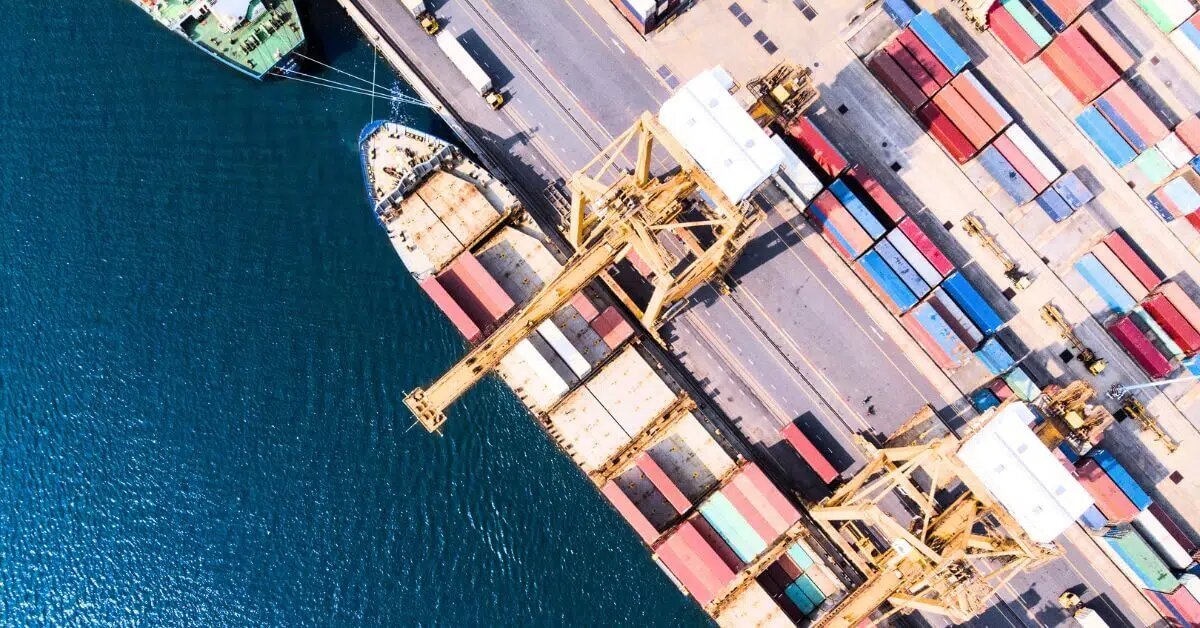
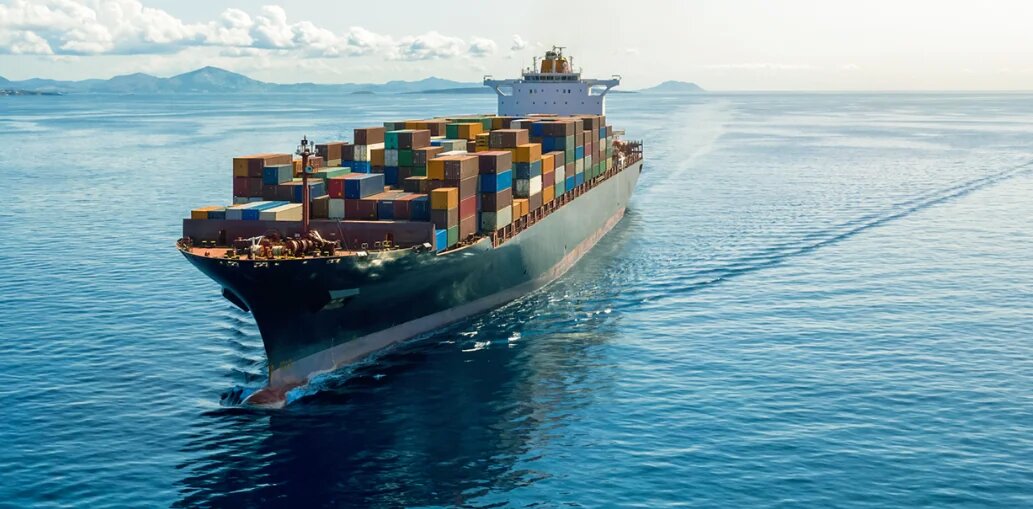
The Port of Castellón continues its growth path and closes October with a 26.8% growth in total goods traffic compared to the same period last year, reaching 1,704,626 tons. This is the second largest monthly increase of the year, only surpassed by the one recorded in January.
Liquid bulk grew 28.9% in October and represents 49% of the total moved in the port, while solid bulk, with the same percentage increase (28.9%), reaches a share of 44.2%. General cargo also advanced 2.4%, and container movement increased 9.1%. It should be noted that currently 98% of the general cargo moved by PortCastelló is already transported in containers.
Furthermore, the number of ships that called at PortCastelló during the month of October rose 14.5%, with a total of 126 vessels.
With this progress, the Port of Castellón has already accumulated 15.6 million tons moved in the January-October period, which represents a growth of 5.8% compared to the same period in 2024. The main products handled in that period are crude oil, feldspar, gasolines, fuel oil, cement, kaolin and clays, with especially significant increases in cement (+44.8%), fuel oil (+35.5%) and kaolin (+17%).
A port in constant growth
The Port of Castellón consolidates a positive trend in 2025 in goods movement. All this occurs in a context marked by the processing of more than 12 concession files by the Port Authority, which will allow for expanding private investments and increasing operational capacity in the coming years.
The president of the Port Authority, Rubén Ibáñez, highlighted that “PortCastelló is today a port in continuous growth, with solid foundations and a clear strategy that allows us to look to 2026 with even better expectations.”
Rubén Ibáñez emphasized that “we have positioned ourselves as a true window of opportunity in the Mediterranean for those who bet on maritime traffic.”
Between January and October, the main commercial partners of the Port of Castellón are Turkey, Morocco, Guyana, Canada, Egypt, Romania and Italy, reinforcing the port’s position as a strategic enclave for Mediterranean and Atlantic routes.