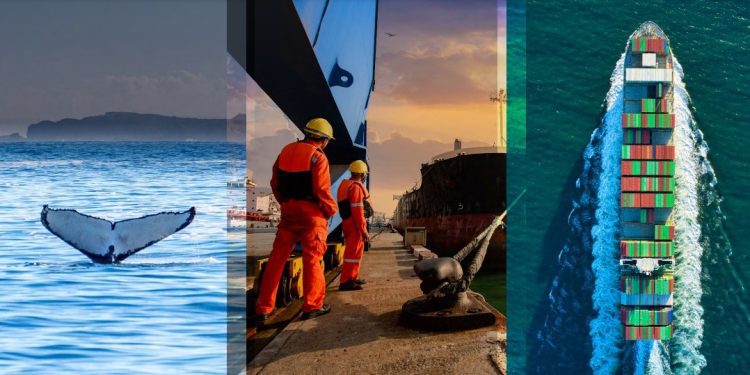
Standard Club has laid out its vision to support its members’ sustainability goals with the launch of its first sustainability impact paper. The report “Planet | People | Performance,” describes the Club’s efforts to reduce the direct and indirect impact it has across areas of its operations and services.
Standard Club has adopted a strategy to support sustainability goals, including developing and using emerging technologies, supporting the offshore and renewables sector, supporting seafarer wellbeing and committing to helping members make a transition to greener energy solutions through its Alternative Fuels Working Group.
All the initiatives outlined in the report are aligned with seven of the United Nation’s 17 Sustainable Development Goals and are designed to support the club’s members by mitigating risks, boosting safety and supporting sustainable practices.
While the shipping industry has been discussing sustainability for more than a decade, insurers have only relatively recently considered the potential impact on their business
said Jeremy Grose, Standard Club’s Chief Executive.
One key element of the strategy is supporting seafarers’ well-being. The club helps its members to support seafarer well-being by sharing best practice, undertaking detailed research through its participation in the Seafarer Happiness Index and is a significant supporter of a number of seafarer charities.
Climate risk
Standard Club’s responses to climate change include:
Marine casualty /Claims management
Standard Club’s major casualty response provides fast, decisive action in the event of a major accident or an injury. The key benefits include:
Alternative fuels
#1 Alternative Fuels Working Group (AFWG): This cross-function team comprises members from the club’s Underwriting, Claims and Loss Prevention divisions. It ensures it stays abreast of the latest developments, acquire all the information relevant to the club, and provide ongoing advice and guidance on this changing landscape.
#2 Advisory panel for Standard Club members (SAFAP): The SAFAP includes key professionals from the industry across all maritime fields with expertise in alternative fuels. The SAFAP works with the AFWG to share knowledge that will help ensure the club is ready to offer the protection and advice operators need when they begin using alternative fuels.
#3 Responsible ship /waste management:
Standard Club has several measures in place and support tools to help operators, including:
In the meantime, ICS, the International Shipsuppliers & Services Association (ISSA), BIMCO and the International HazMat Association (IHMA) have collaborated to develop a new guide to help both shipowners and ship suppliers comply with both the current EU Ship Recycling Regulations (EUSRR) and the Hong Kong Convention on Ship Recycling (HKC) where ratification is anticipated next year.
Seafarer wellbeing
Standard Club’s support for seafarers includes:
The launch of Standard Club’s Impact Paper follows shortly after the International Group of P&I Clubs released a plan in September 2022 to leverage the collective strength of the entire marine insurance industry and the 90% of ocean-going tonnage they represent to further enhance sustainability efforts.
EXPLORE MORE AT standard’S Impact Paper