The impasse in negotiations between Washington and Tehran prolongs the war conflict in the Middle East. The rejection of the Iranian counterproposal by US President Donald Trump triggered a new rally in oil, with Brent climbing again yesterday to $/barrel and WTI to $/barrel. Today, it is currently at $/barrel $/barrel.
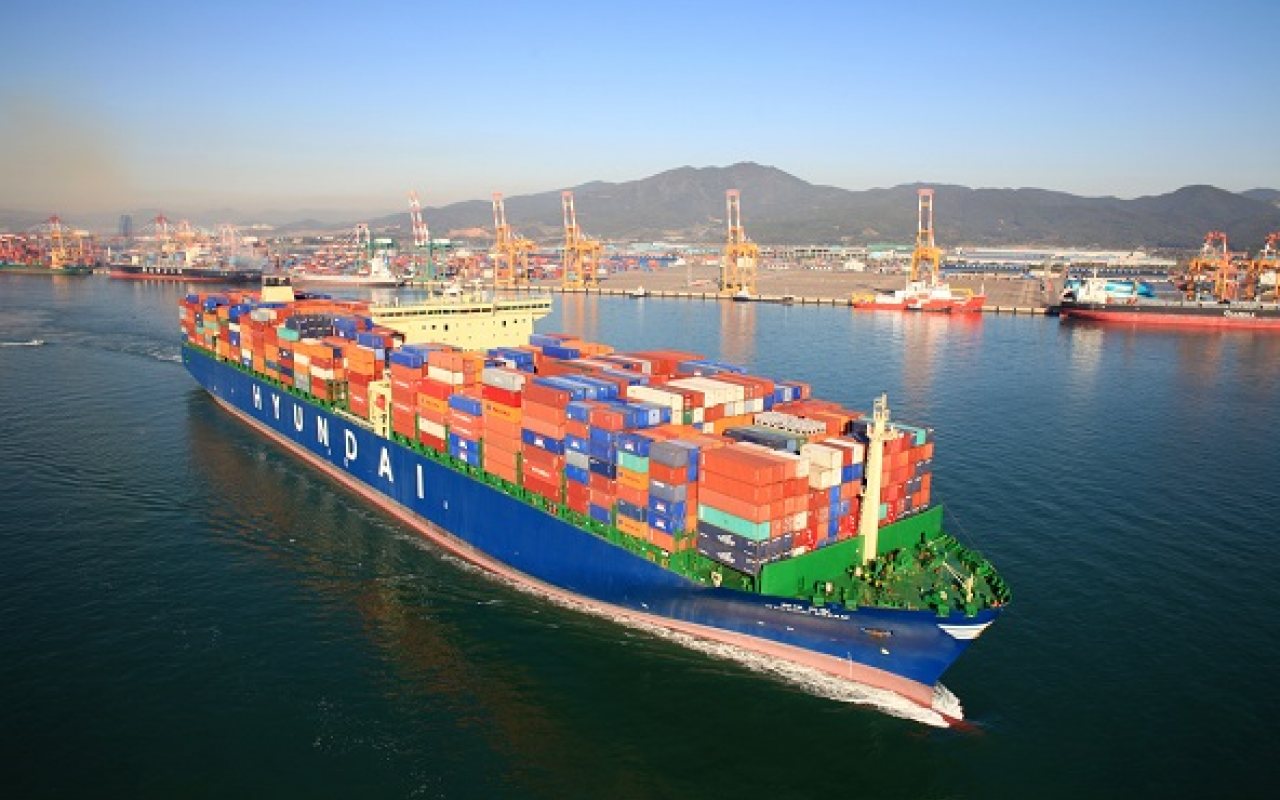
At the center is the Strait of Hormuz. Tehran, as reported by CNBC, links the opening of the sea passage to the end of the American blockade on Iranian ports, demanding war reparations, full sovereignty over the Strait, lifting of sanctions, and release of frozen assets. The only exception to the blockade of the sea artery in recent days was the symbolic passage of a Qatari LNG tanker, a move that was not enough to calm energy markets.
A key sticking point in the negotiation remains the nuclear program. Iran rejects the US demand for decommissioning facilities and a 20-year moratorium, proposing a shorter suspension period for enrichment and, conditionally, the transfer of uranium to a third country. In this context, Israeli Prime Minister Benjamin Netanyahu signaled that hostilities continue until the surrender of uranium and the end of the ballistic program.
Meanwhile, Donald Trump stated that the ceasefire is on “mechanical respiratory support,” after blasting Iran’s response to a US proposal to end the war durably, while Tehran retorted that it is ready to retaliate if attacked. On the other side, Iranian parliament speaker Mohammad Bagher Ghalibaf countered that Iran’s armed forces are ready “to retaliate” and teach a “lesson” to any attack, adding that whoever attacks “will be surprised.”