Many are the questions raised regarding the situation in the Middle East and especially concerning navigation around the Strait of Hormuz.
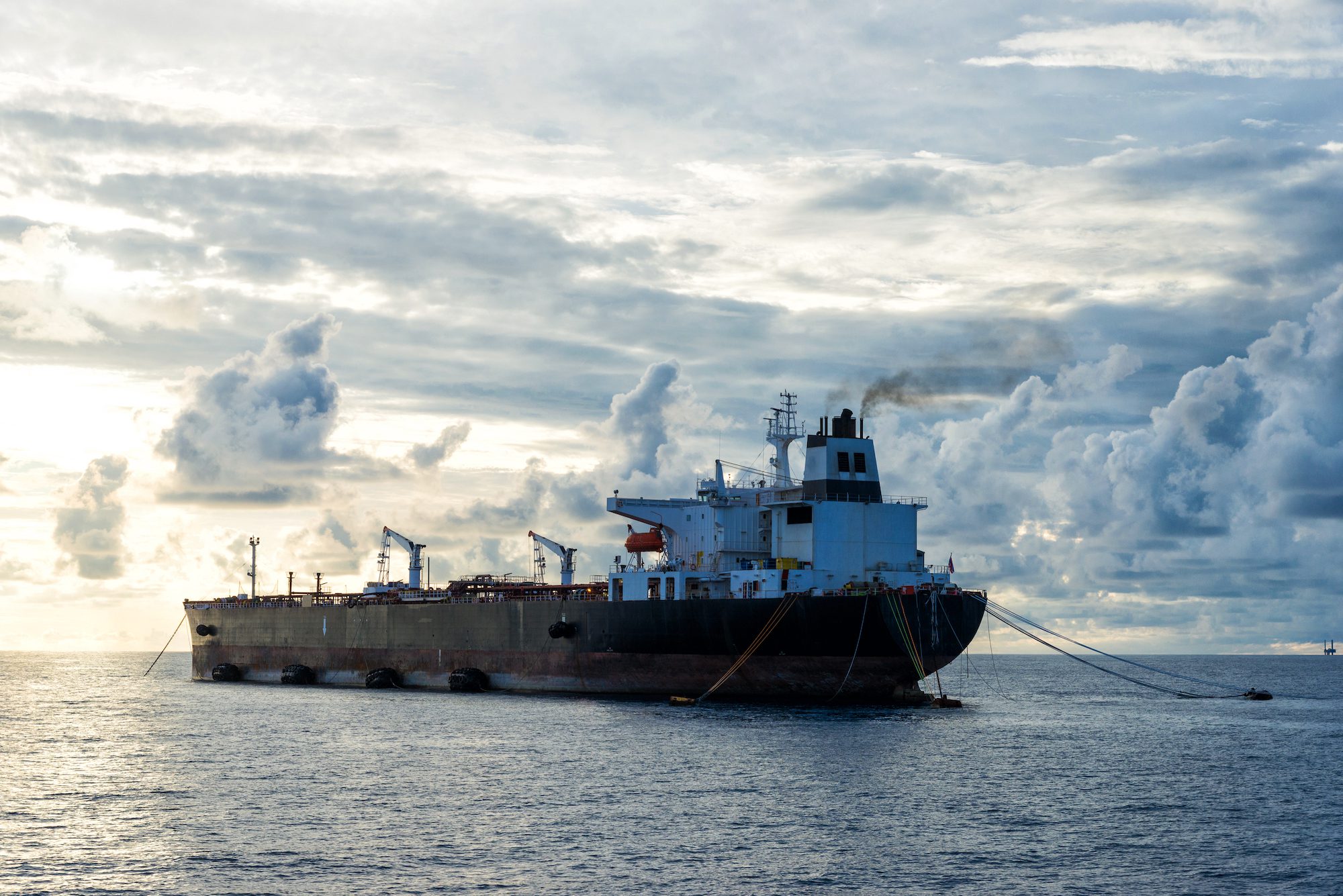
It is recalled that the “Project Freedom” which started on May 4, in order to free the ships located inside the Gulf, lasted only one day, thus prolonging the uncertainty. It is noted that, according to Clarksons Research, approximately 1,000 ships remain “trapped” at this moment.
Within this context, despite the assurances of the USA, rumors are “flaring up” that Iran possesses a very powerful war fleet – something emphasized by the Revolutionary Guards – and holds effective control of the Gulf. At this point, it is worth mentioning that Iran’s coastline is enormous and extends along both the Arabian Gulf and the Gulf of Oman, giving its warships the opportunity to “hide” in various locations and pose a danger to every vessel. Beyond this, however, Iran also has land forces, with the range of its missiles estimated to be able to strike targets hundreds of kilometers away.
Thus, a situation is observed that tends to become established as a new reality. Reports indicate that Iran allows – and will allow – passage only to ships that follow its instructions and receive the corresponding permission, after, of course, the payment of “transit fees,” whether these are economic measures or in some form of “quid pro quo.”
Iran, according to market circles, is essentially seeking to transform itself into the absolute regulator of the Strait of Hormuz, aiming to maintain this situation in perpetuity, even after the end of the war. In the event that negotiations fail and this fact becomes entrenched, we will be talking about a new reality that will completely degrade free navigation.
Finally, in a rather extreme scenario, shipping companies, if the deadlock continues for at least another 3.5 months and the ships remain trapped, may claim Constructive Total Loss – CTL from the insurers. It is recalled that, during the height of hostilities in Ukraine, some companies had entered into negotiations with insurers for approximately 40 ships. However, in a corresponding case in the Gulf, the number would be many times greater and the consequences unknown.