According to a recent publication by Greenpeace South Asia, alarming levels of nurdle pollution have been detected along the western and southern shores of Sri Lanka. These tiny plastic pellets, essential in the production of various plastic goods globally, are now washing up on beaches stretching from Negombo to Galle.
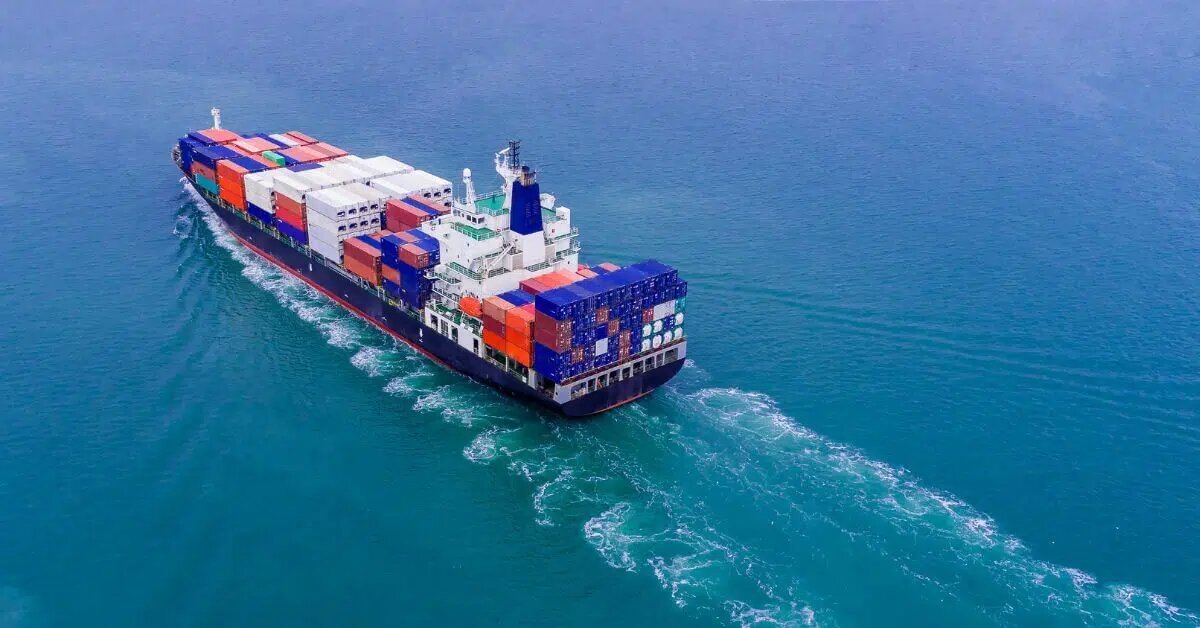
The report titled “Nurdle Pollution Along the Western and Southern Coastline of Sri Lanka Following Recent Ship Accidents” details findings from a survey conducted between October 7 and 9, 2025. Researchers assessed 16 different beaches to gauge the impact of two significant maritime incidents: the MV X-Press Pearl disaster in 2021 and the MSC Elsa 3 shipwreck off Kerala on May 25, 2025. Collectively, these events have released billions of plastic pellets into surrounding waters.
Every beach included in the study showed signs of nurdle contamination with varying concentrations-from minimal amounts to extremely high levels. The majority were identified as white or semi-translucent pellets likely originating from the MSC Elsa 3 incident; others displayed weathering characteristics that suggest they are remnants from earlier spills like that of X-Press Pearl.
The research team also noted cylindrical granules mixed with other types found post-MSC Elsa spill. It appears that monsoon-driven currents may have transported these pollutants across oceanic distances to reach Sri Lankan shores-a clear indication that seasonal patterns significantly influence nurdle distribution in this region.
Several surveyed locations are adjacent to vital ecosystems and fishing zones, raising serious concerns about potential long-term ecological harm as well as socioeconomic impacts for local communities reliant on marine resources.
The report advocates for enhanced national regulations aimed at curbing nurdle pollution throughout all phases of their supply chain. Recommendations include updating existing laws to align with or surpass international benchmarks-this encompasses stricter protocols for handling and transporting these materials alongside improved methods for addressing spills when they occur.
Furthermore, it proposes mandatory reporting requirements for any loss or spillage during transportation processes globally-aimed at fostering greater transparency within supply chains.
A key suggestion is classifying nurdles distinctly within cargo categories so they can be governed by specific safety regulations regarding packaging, labeling, and stowage practices during transit.
Lastly, establishing comprehensive procedures for swift response actions following spills-including cleanup efforts and restoration initiatives-is crucial under a “polluter pays” framework ensuring accountability both financially and legally after such environmental incidents occur.