In response to the evolving global trade landscape, heightened geopolitical tensions, and the surge in Canada’s crude oil exports to Asia, the Baltic Exchange has launched two new Aframax tanker benchmark freight rates: TD28 and TD29.
These new benchmarks aim to consolidate the Baltic Exchange’s leading position in freight pricing and address the shipping industry’s growing demand for market transparency amidst dramatic shifts in the energy landscape.
TD28 was listed on the Intercontinental Exchange (ICE) on October 13, tracking the Vancouver to Ningbo, China route; TD29 assesses the Vancouver to US West Coast Pacific Anchorages (PAL) route. With the Trans Mountain Expansion (TMX) project commencing commercial operations on May 1, 2024, these routes have become highly strategic transportation corridors.
The project significantly increased Canada’s oil export capacity from 300,000 barrels per day to 890,000 barrels per day, reshaping the country’s export profile and opening a new, direct access channel to Asian energy markets.
◆ Canada’s Elevated Status in Global Crude Trade ◆
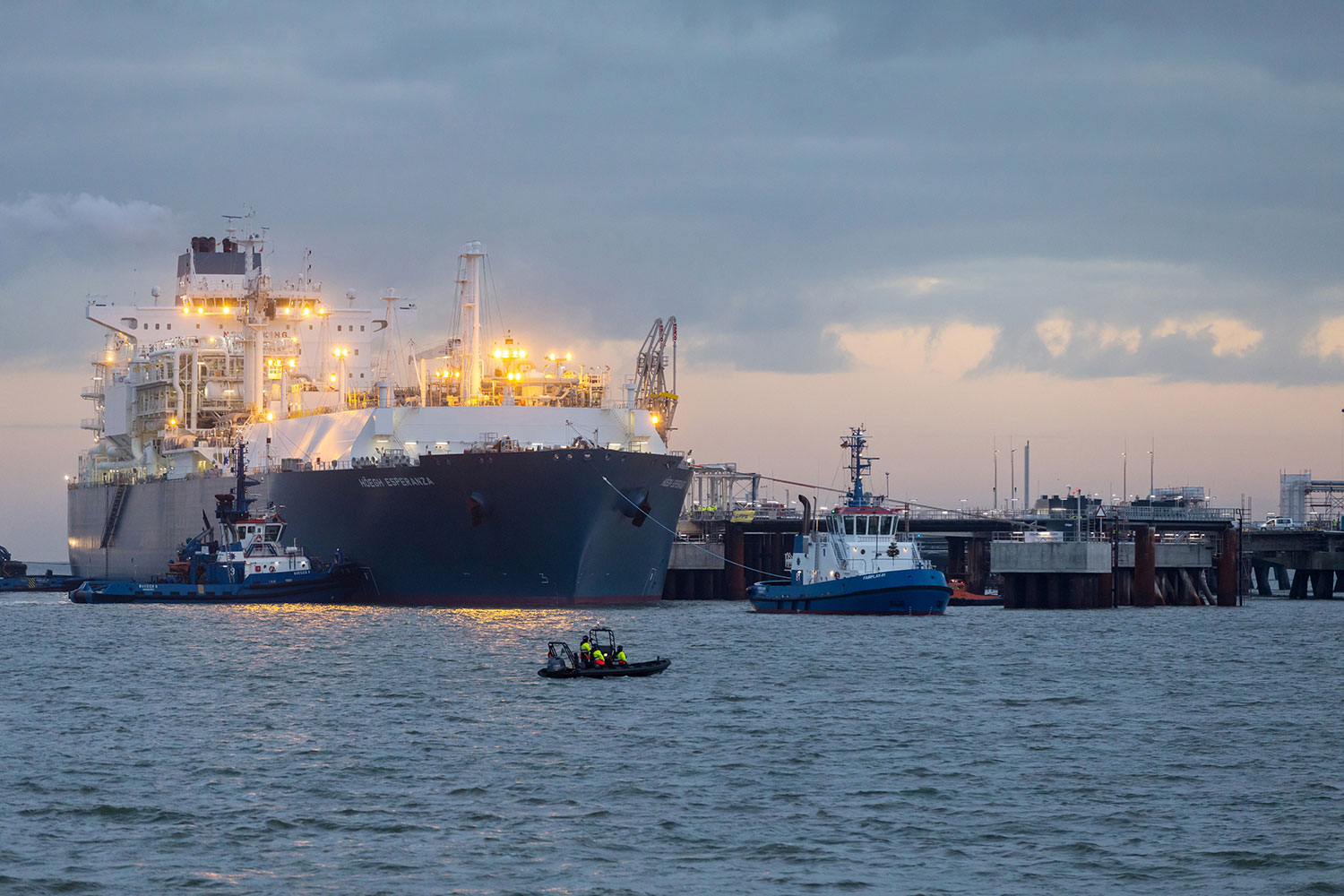
This expansion has fundamentally altered the logistics map: the average monthly calls of Aframax tankers at Vancouver’s Westridge Marine Terminal have jumped from approximately 5 to 34. This dramatic change has significantly enhanced Canada’s strategic position in global crude oil trade.
“This is an example of the Baltic market responding directly to client need,” said Matt Cox, Head of Benchmarks at the Baltic Exchange. The development of the new routes reflects how trade flows evolve according to geopolitical realities such as tariff disputes, alliances, sanctions, and energy security. The Exchange’s role is to ensure the market has reliable benchmarks that accurately capture these new dynamics.
The launch of these new benchmarks comes as the global oil and shipping industries adapt to a complex political landscape. Intensified US-China trade friction, Western energy sanctions on Russia, and the competition for secure, diversified energy supplies have made Canada’s Pacific export corridor a strategic alternative for Asian buyers. Against the backdrop of ongoing US-China technology and tariff disputes, Canadian crude has gained strategic value as a politically safer and commercially viable supply source. With the TMX project operational, Canada’s Pacific coast has become a key export gateway.
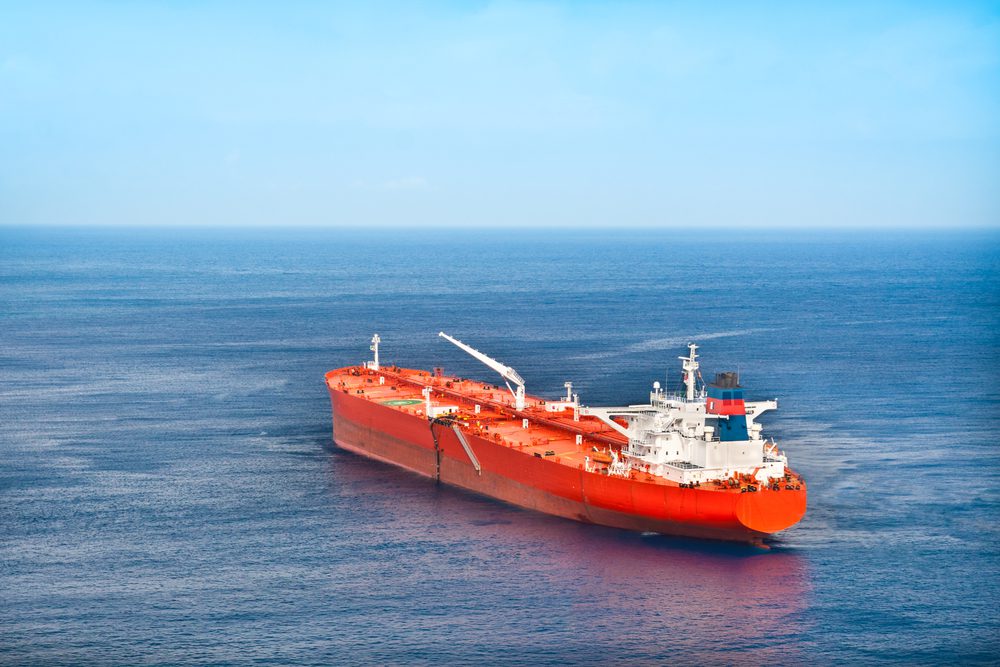
Given the water depth restrictions at the Port of Vancouver, which prevent Very Large Crude Carriers (VLCCs) from loading fully, Aframax tankers have become the workhorse for these shipments. Cargoes are either transported directly across the Pacific to China (TD28) or lightered offshore California onto larger tankers (TD29). As shipment volumes climb, particularly with growing interest from Chinese refiners and the prevalence of diversification strategies among Asian buyers, the need for independent, transparent benchmarks has become increasingly urgent.
The development of TD28 and TD29 followed the Baltic Exchange’s rigorous index creation process, including confidential testing with market experts and a public consultation phase. Before formal adoption, both routes met the Exchange’s stringent criteria for liquidity, expert participation, and commercial relevance.
Looking ahead, Matt Cox stated that the start for both routes has been encouraging. “Canadian crude shipments are growing rapidly, and these benchmarks will provide the necessary transparency and consistency for the trade to mature. The success of any index depends on its adoption by the market, and we believe these routes will quickly become trusted reference points for market participants on both sides of the Pacific.”
As berthing capacity expands at Canadian ports, global supply chains and energy security strategies are being reshaped. The Baltic Exchange believes TD28 and TD29 will become key tools for managing risk, optimizing price discovery, and navigating the geopolitical shifts in energy trade.