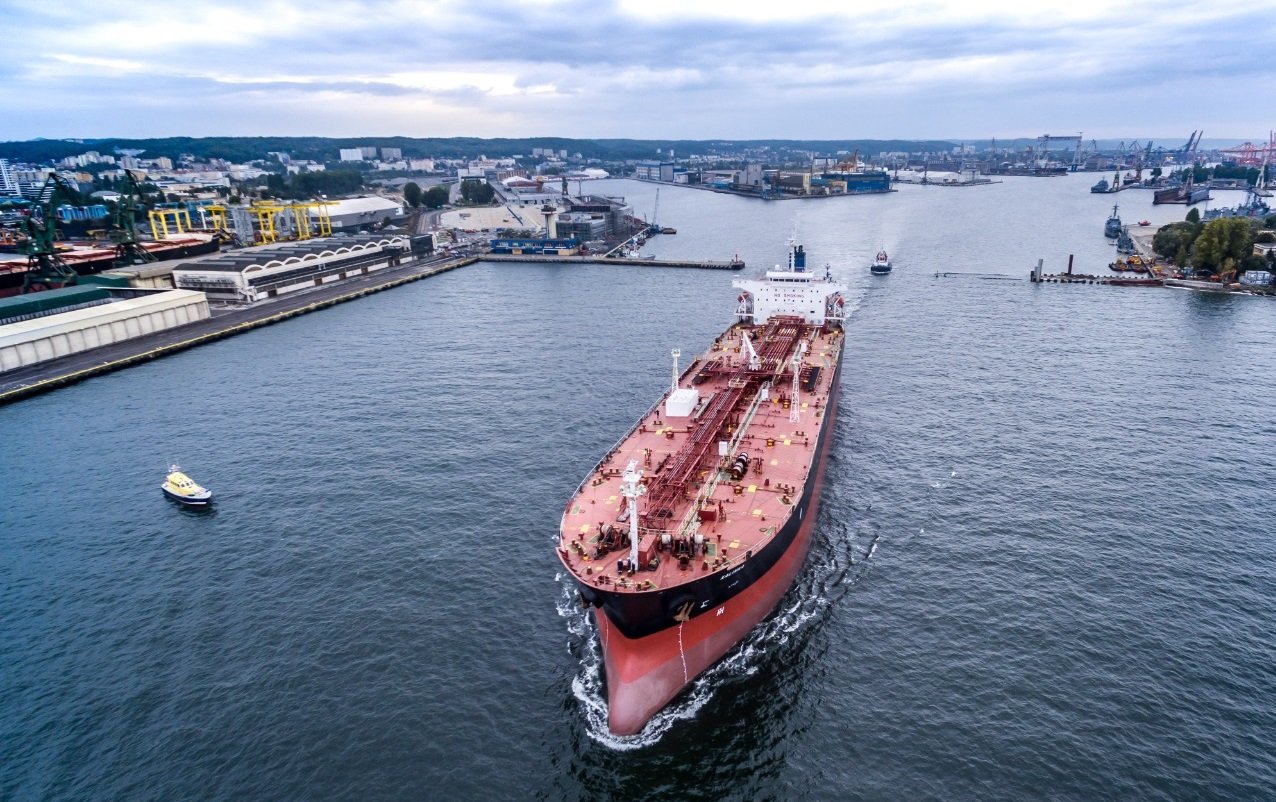
THE stop‑start reopening of the Strait of Hormuz may offer flashes of normality, but the trade system it once anchored is not coming back. Not completely.
This is not only a response to the Middle East conflict. The shocks of the past few years have rewired global commerce, and the emerging “new normal” required adaptation.
What began as crisis improvisation has hardened into structural change.
Governments and companies are pouring capital into post‑Hormuz resilience — pipelines, ports and alternative corridors — anything that reduces exposure to chokepoints that once defined globalisation’s efficiency‑first model. The world is trading efficiency for security and this time the shift is likely generational.
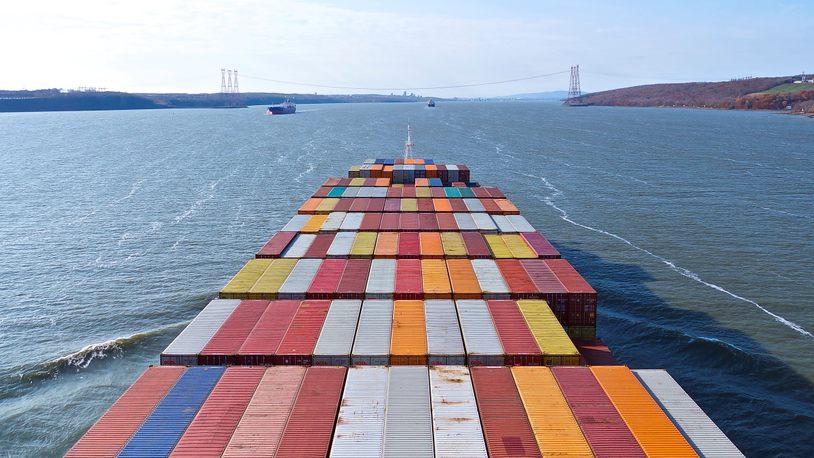
Container shipping networks show the clearest evidence. Carriers that once funnelled vast volumes through Asia’s mega‑hubs are now decentralising, redirecting capacity into a wider constellation of regional gateways.
Emergency rerouting around the Red Sea and Middle East Gulf has evolved into a deliberate redesign of global service structures.
Connectivity is being redistributed away from Singapore, Port Klang, Tanjung Pelepas and China’s giant complexes, and towards targeted relay ports and export‑focused nodes.
Instability has forced carriers to rebuild around specific corridors rather than restore the old one’s wholesale.
But geopolitics is only part of the story. Tariffs — last year’s “liberation day” duties and the ongoing tit‑for‑tat with China — never disappeared. Workarounds have calcified into strategy. Transhipment‑based tariff dodging is already giving way to something more permanent: production migration. Manufacturers are shifting output to lower‑tariff economies and China itself is accelerating the trend by offshoring low‑value assembly and investing directly in emerging Asian factories.
The result is a surge of foreign direct investment into Southeast Asia, forecast to climb from $230bn in 2024 to $390bn by 2034. These new hubs require vast volumes of components and machinery — and China is uniquely positioned to supply them. Its export mix has been quietly transforming for years: intermediate goods rose from 27% of exports in 2010 to 40% in 2024 and are projected to reach 45% by 2035.
China is set to dominate the fastest‑growing trade routes for the next five years, not with cheap consumer goods, but with sophisticated inputs feeding factories in Vietnam, India, the Philippines, Taiwan and Saudi Arabia.
Trade is not simply adapting to crises; it is evolving into a different system altogether — more distributed, more resilient and increasingly shaped by the geopolitics of resilient production rather than the geography of shipping lanes.
Richard Meade
Editor-in-chief, Lloyd’s List
Click here to view the latest Lloyd’s List Daily Briefing