Image source: Internet
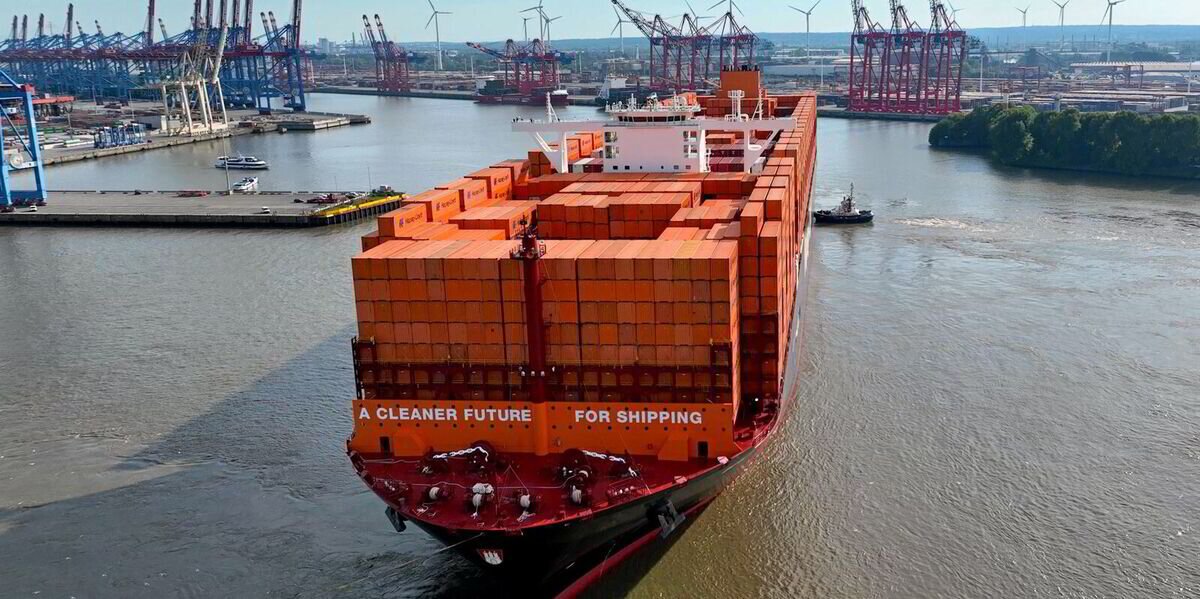
Shipping News Network消息, the international shipping decarbonization process has reached a critical juncture. In October, the International Maritime Organization (IMO) will make a historic resolution on the adoption of the “Net-Zero Framework.” This move concerns the future direction of the global shipping industry and has attracted significant attention from the sector.
The “Getting to Zero Coalition,” representing over 180 leading global shipping companies, recently called on IMO member states to support the framework’s passage. The coalition stated in a declaration, “If the framework fails to pass, the shipping industry will face significant negative impacts, and its decarbonization investments and transition momentum could suffer a major setback.”
As the global regulatory body, the IMO plays a key role in shaping the present and future choices of the shipping industry, possessing the statutory authority to formulate international shipping rules. In April of this year, the IMO preliminarily passed a regulatory agreement targeting the shipping industry’s zero-emission transition, an important step towards implementation following the adoption of the “2023 IMO Revised Greenhouse Gas Strategy.”
Industry analysis indicates that the shipping decarbonization transition has entered the practical implementation stage. Data shows that orders for new alternative fuel vessels have grown significantly, and a green fuel supply chain is taking shape. However, industry insiders worry that without a globally unified standard framework, investment decisions could stall, putting trillion-dollar shipping infrastructure projects at risk.
The IMO emphasized that persistent policy uncertainty is the most detrimental, as it not only delays emission reduction progress but also increases the overall transition costs, which will ultimately be borne by the industry, nations, and consumers collectively.
It is noteworthy that shipping decarbonization brings more than just environmental benefits. Research indicates that investments in new technologies and infrastructure will create millions of jobs, injecting new momentum into the economic development of member states. However, if delayed, existing projects may be forced to halt, planning cycles would need to restart, leading to a multiplication of opportunity costs.
The significance of the IMO’s decision extends far beyond emission reduction itself. The effectiveness of the multilateral regulatory mechanism, the stability of global trade, and the industry’s ability to tackle major challenges will all be tested at the October meeting. The Getting to Zero Coalition pointed out that all eyes are currently on the October IMO meeting, with the industry expecting member states to demonstrate wisdom by adopting and refining this framework to provide a clear and stable policy direction for the global shipping industry.