As Christmas approaches, American consumers and businesses are facing unprecedented supply challenges. “Consumers wanting to buy Christmas items should act sooner rather than later,” Chris Butler, CEO of National Tree Company, one of the largest artificial Christmas tree importers in the US, recently stated in an interview with CNBC. He indicated that due to the impact of tariffs, inventories of Christmas trees, lights, wreaths, and other holiday decorations will be significantly reduced. “This year, the company has imported about 25% less goods than in previous years, and supply will definitely be tight.” This situation is closely related to the US government’s tariff policies.
“Down 58% year-on-year in August, down over 70% in September”
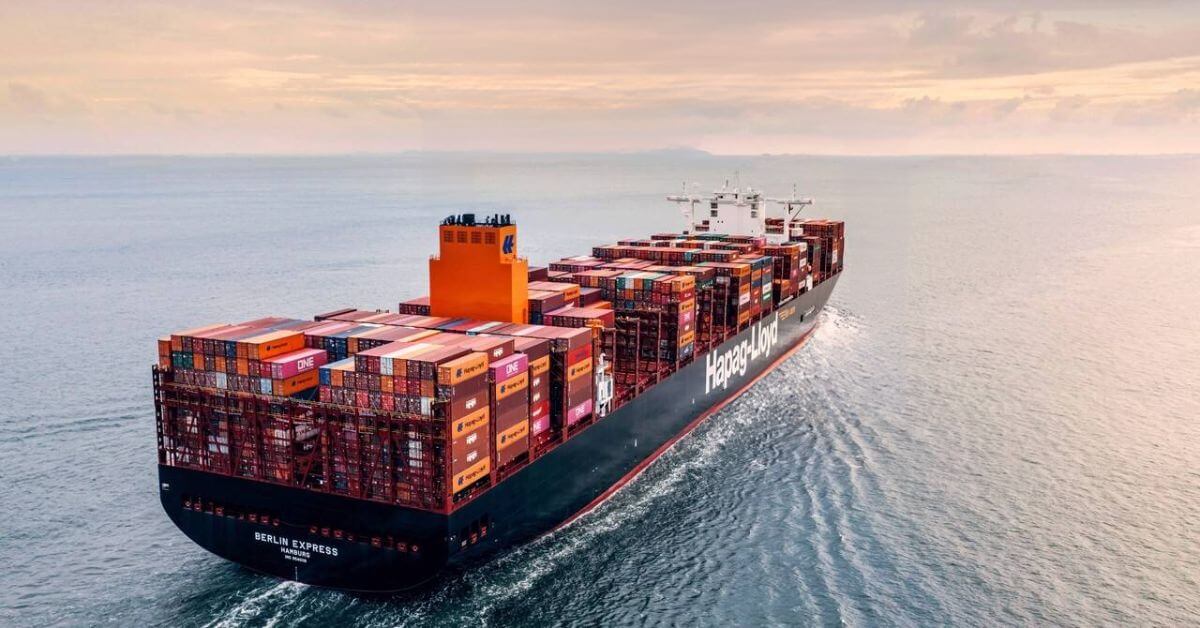
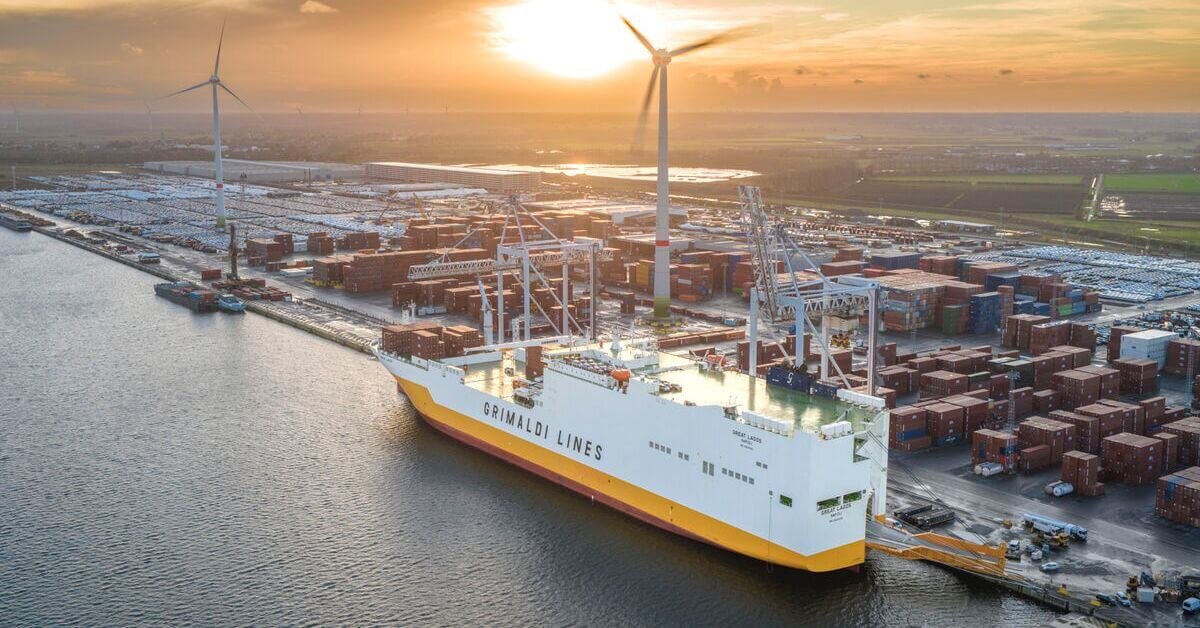
The third quarter is typically the key import period for US Christmas supplies, with container ships continuously delivering artificial Christmas trees, lights, wreaths, and other goods from around the world to American ports. But this year, US ports appear unusually quiet.
According to a report by CNBC, data from import tracking firm ImportGenius shows a sharp decline in National Tree Company’s import volume. “Compared to previous years, National Tree Company’s import volume fell 58% year-on-year in August and over 70% year-on-year in September,” said William George, Director of Research at the agency. He added that October is the last key month for the company to import goods, “but such a significant drop during the peak import season seems to indicate a less than optimistic outlook for this year’s Christmas retail season.”
Butler explained that the peak sales period for Christmas decorations in the US is usually concentrated around “Black Friday” (the first day after the fourth Thursday in November). However, he advised consumers not to wait until then to shop: “This year, if you plan to buy Christmas goods on the market, buy early and prepare in advance.” Simultaneously, due to increased tariff costs, the company has raised prices by about 10%. Overall, most American consumers will undoubtedly face a more expensive “Christmas bill.”
Records from a supply chain data platform show that over 60% of National Tree Company’s imports are handled by Chinese companies, and 45% of its production bases are also located in mainland China. Other import sources include Cambodia (3%), as well as other Asian countries like Vietnam and Indonesia. Butler admitted to CNBC that the company is also considering ways to alleviate pressure, such as exploring automation and nearshoring production. However, the reality is that the cost of producing domestically in the US is too high and is not economically “feasible.” He gave an example: “A Christmas tree produced in the US could cost 2.5 to 3 times more than an imported tree.”
Who is truly “paying” the tariffs?
It’s not just Christmas supplies. Data shows that since the implementation of US tariffs, the average price of imported goods in the US has increased by about 4%, while the prices of domestic products have risen by about 2%. Goods that the US cannot produce domestically or that come from countries bearing high tariffs, such as coffee and Turkish goods, have seen the largest price increases. Products on e-commerce platforms like Amazon have also generally become more expensive.
“Who is ‘digesting’ the tariffs?” Reuters reported on the 13th under this title. Academic research and business surveys indicate that in the initial stages of the US tariff policy implementation, US businesses bore the primary cost and passed some of it on to consumers. Harvard Professor Alberto Cavallo stated, “Most of the cost is borne by US firms, and we are seeing the prices being passed on to consumers gradually.” While the White House claims the ultimate cost should be borne by foreign exporters, the reality is that US businesses and consumers are the true “payers.”
Economists from Goldman Sachs Group stated that as businesses raise prices, US consumers are expected to bear more than half of the cost of the tariffs imposed by the US. According to Bloomberg, Goldman Sachs analysts wrote in a research report sent to clients on the 12th that by the end of this year, US consumers might bear 55% of the tariff cost, US businesses 22%; foreign exporters would absorb 18% of the tariff cost through various means, and another 5% of the cost might be avoided.
“Impact will be more apparent in the coming months”
According to Reuters, if US consumers find it increasingly difficult to cope with rising prices, demand for imported goods may slow down. CNBC also pointed out that as fewer products enter the US, issues of availability and affordability will arise in the market, alongside concerns about weak demand. Eric Hoplin, President and CEO of the National Association of Wholesaler-Distributors, said, “Orders from physical retailers and local hardware stores have already decreased by 60%.”
“As exporters, importers, and consumers argue over who pays the roughly $30 billion in tariffs each month, ‘digesting’ these tariffs is expected to take several more months,” Reuters reported. All this sets the stage for higher inflation in the US. New Federal Reserve Governor Stephen Milan argued that tariffs do not cause inflation. However, a “rough” calculation by the Federal Reserve Bank of Boston estimates that tariffs will push the US core inflation rate up by 75 basis points.
Global trade is also affected. S&P Global’s survey of purchasing managers at global companies showed that as of July, EU exports to the US were down 4.4% year-on-year; in Germany, exports to the US fell 20.1% year-on-year in August. ING expects EU goods exports to the US to decrease by 17% over the next two years, which would shave 30 basis points off EU GDP growth. ING economist Ruben de Wit stated, “The expected impact of US tariffs has not yet fully materialized, and we anticipate these effects will become more apparent in the coming months.”