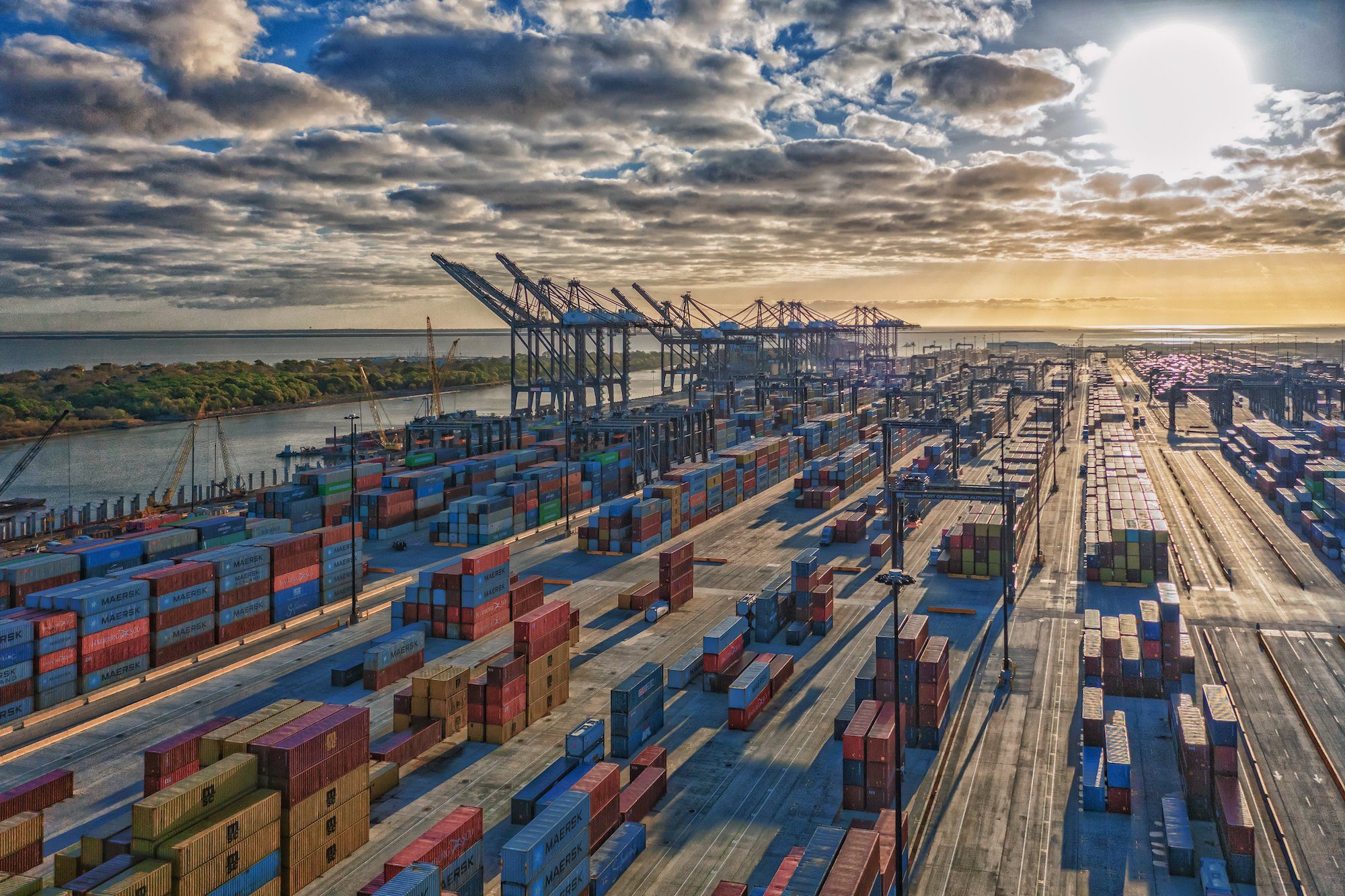
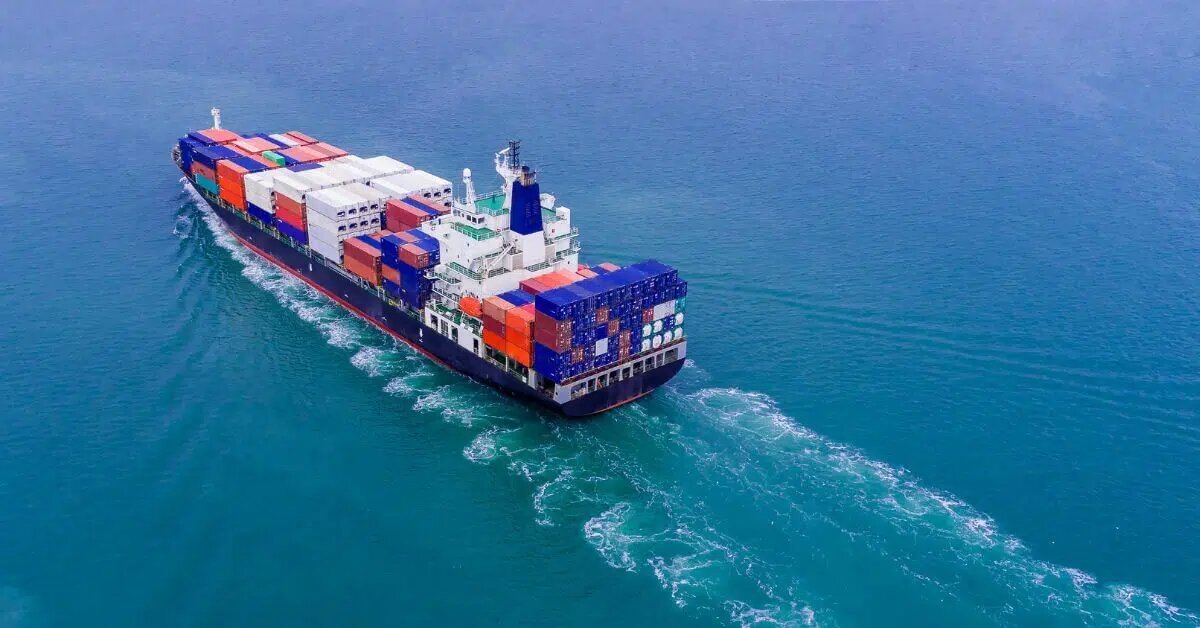
Iran’s Permanent Representative to the United Nations Office at Geneva, Ali Bahreini, stated on June 23 that the Strait of Hormuz is fully open to commercial vessels and no fees are charged.
Bahreini, when answering questions from the United Nations Correspondents Association in Geneva regarding the negotiations between Iran and the United States on the same day, said that the Strait of Hormuz is now open for a period of 60 days, during which no fees will be charged.
In addition, Iran and the United States have decided to establish a communication mechanism on this issue to monitor and resolve any problems that may arise. After 60 days, the specific situation of the strait’s opening will be determined by the outcome of negotiations between Iran and the United States.
Negotiators from Iran and the United States concluded the first round of talks on implementing the memorandum of understanding signed between the two sides last week in Bürgenstock, Switzerland, on June 22.
Bahreini stated that according to this memorandum, the United States should unfreeze Iran’s assets, and Iran should also have full right to use its frozen assets abroad. He said: “Iran is the only country entitled to decide how to dispose of these assets, and no other country or entity has the right to interfere.”
Bahreini refuted the U.S. claim that Iran has agreed to invite International Atomic Energy Agency inspectors back into Iran for inspections, and pointed out that discussions on Iran’s nuclear activities will take place in the next phase.
“There is no such decision yet, not even such discussions,” Bahreini said. “Therefore, any news suggesting that Iran might allow inspectors to enter the country is incorrect.”
In the early hours of June 24 local time, Oman issued a statement saying that, given the country’s responsibility for the Strait of Hormuz and the strait’s important role in the global economy, and based on compliance with international law and the United Nations Convention on the Law of the Sea, ensuring free passage through the strait without charging transit fees, and combined with the results of relevant negotiations and mediation efforts between the United States and Iran, Oman has coordinated with the International Maritime Organization to open a temporary maritime channel for all vessels.
According to the arrangement, the relevant channel will operate in accordance with the navigation coordinates published by the International Maritime Organization and Omani authorities. Vessels planning to use this channel need to coordinate with the International Maritime Organization in advance.
On June 23 local time, U.S. President Donald Trump stated that the United States “is working towards a fair deal with Iran” to end the conflict in the Strait of Hormuz. He claimed that just the previous day (June 22), 19 million barrels of oil were transported through the Strait of Hormuz.
Trump reiterated that “Iran cannot have nuclear weapons” and said that current related work is progressing smoothly.
Disclaimer: This article is reproduced for the purpose of conveying more information. If there are errors in the source attribution or infringement of your legitimate rights and interests, please contact this website with the author’s proof of ownership, and we will promptly correct, delete it. Thank you.