/Agencia Reuters
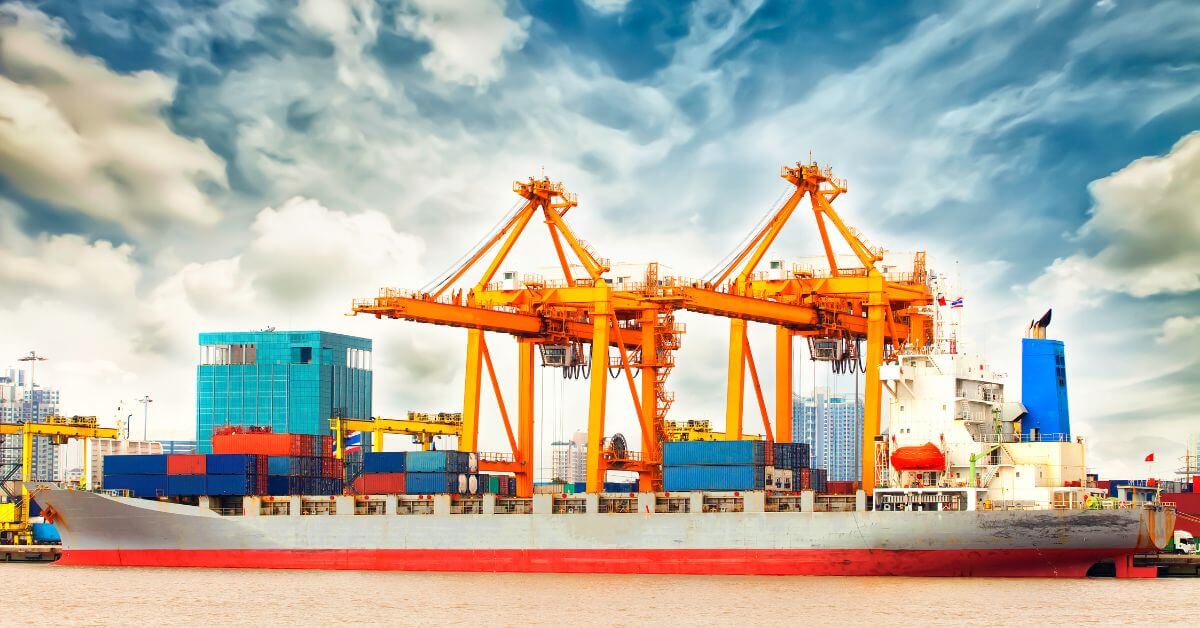
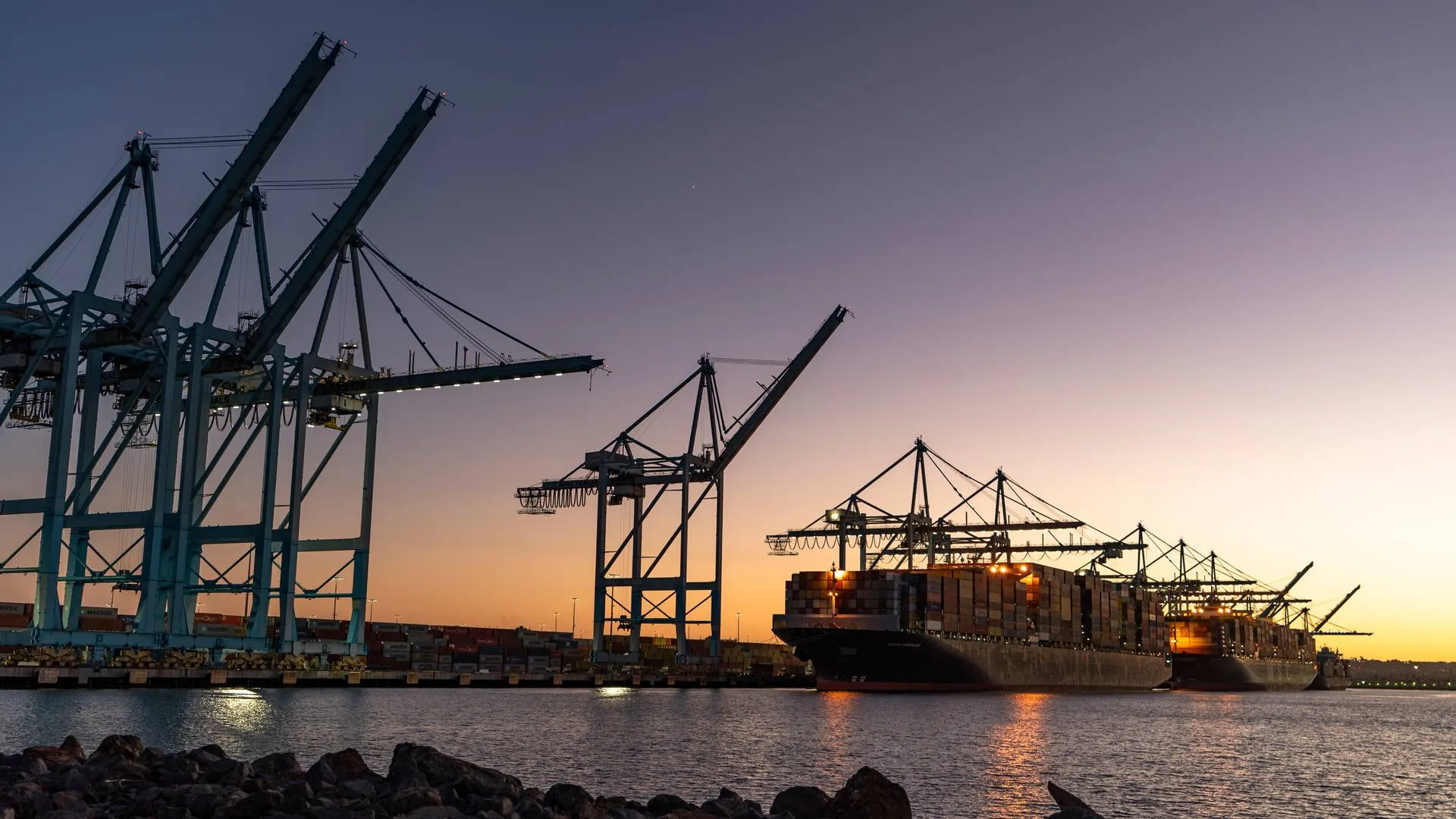
Fertilizer shipments through the Strait of Hormuz have begun to pick up following the interim agreement to end the war in Iran, data showed, although analysts point out it will take time before they return to pre-conflict levels and provide relief to the market.
Before the United States and Israel unleashed the war on February 28, roughly one-third of globally traded urea — the most widely used fertilizer in the world — and nearly half of seaborne sulfur, a key input, typically passed through the strait.
Since the announcement of the agreement between Washington and Tehran on June 15, some 640,000 metric tons of sulfur have left the strait bound for destinations such as Indonesia, Morocco, Tanzania and China.
The non-metallic mineral is essential for manufacturing fertilizers such as diammonium phosphate (DAP). According to the latest flow analysis from Argus, this figure contrasts with the mere 80,000 tons recorded over the three and a half months of war.
Meanwhile, some 427,000 tons of urea have also transited through the strait after the interim agreement, compared to 275,000 tons recorded during the war, according to the latest data from consultancy CRU.
Shipments of other key fertilizers, such as phosphates, and raw materials for their production, such as ammonia, have also seen a slight increase after the agreement.
Fertilizer prices soared during the war, leading farmers to apply less product to their crops. This raised fears that a prolonged closure of the strait could reduce crop yields and trigger a global food price crisis.
There are currently more than 500 vessels stranded in the Gulf, and although traffic has picked up this week, it remains only a fraction of the average of 125 ships per day that transited the waterway before the war.
“The trickle of flows through the strait is a relief. But at the same time, most will correspond to old sales. They are not going to bring new tonnage to the market,” said Sarah Marlow, head of fertilizer pricing at Argus.
“While bulk carriers are slowly leaving the strait, there are no empty ships sailing back to pick up new cargoes,” Marlow said, adding that traders are closing very few new fertilizer sale agreements in the region.
For cargo ships to re-enter, many war-related obstacles must first be removed, analysts say. The waterway, for example, needs to be successfully demined. The current backlog of stranded vessels also needs to be cleared, and shipowners need to feel confident enough to sail back.
The interim agreement between the United States and Iran must also translate into a permanent truce. However, the International Maritime Organization (IMO) had to suspend its ship escort operation through the strait on Thursday, June 25, after a vessel reported an attack, raising new fears about the viability of the pact.
“Fertilizer volumes transiting the strait are not going to recover to pre-conflict levels for some time.
Incluso en el mejor de los escenarios, agosto es la fecha más temprana en la que prevemos un repunte significativo del tráfico”, señaló Willis Thomas, analista principal de fertilizantes en CRU.
Todavía quedan unas 600.000 toneladas de urea varadas dentro del estrecho, según CRU, mientras que Argus estima que entre 300.000 y 400.000 toneladas de azufre esperan para salir de la vía navegable.
Las instalaciones de producción de fertilizantes en el Golfo también sufrieron ataques durante la guerra y necesitan ser reparadas. Aunque los expertos afirman que los daños son relativamente limitados, esto ralentizará el ritmo al que puedan revertirse las subidas drásticas en los precios de los fertilizantes.
“La producción de fertilizantes en el Golfo podría recuperarse en su mayor parte. Sin embargo, las exportaciones de Qatar y los Emiratos Árabes Unidos podrían mantenerse por debajo de los niveles de antes de la guerra (a medio plazo), ya que sufrieron daños en sus campos de gas y refinerías”, señaló la asociación marítima Bimco.