Ships sailing on alternative fuels provide different challenges to salvors that are well trained and experienced for dealing with casualties burning heavy fuel oil and marine gasoil
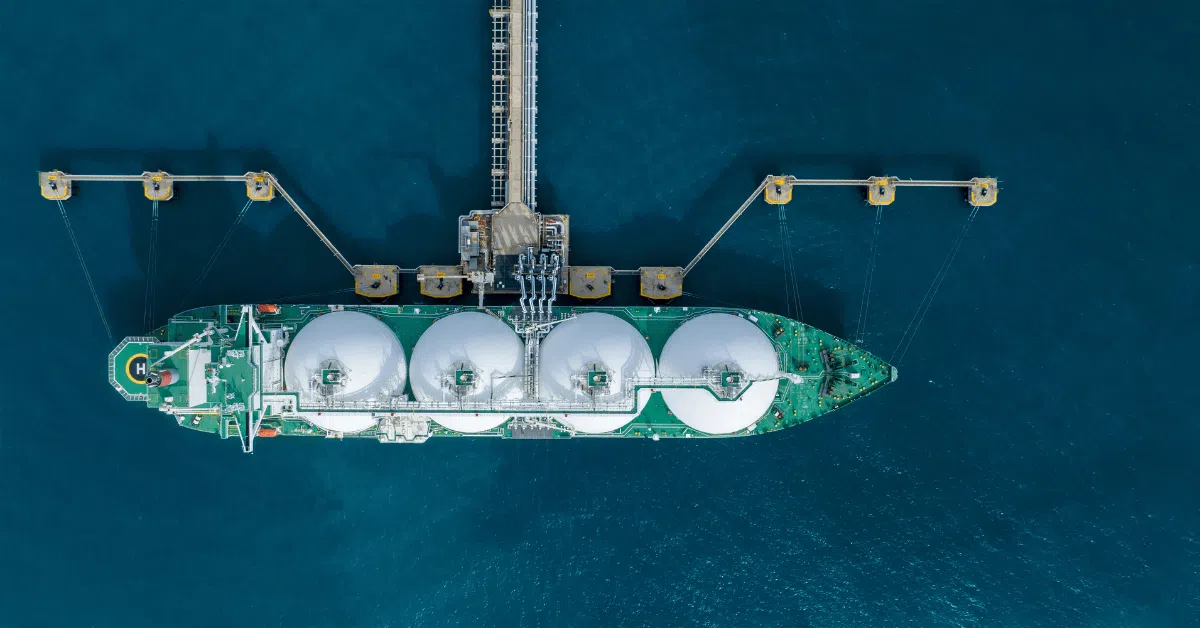
As more vessels use methanol, LPG and LNG fuels and are prepared for ammonia and green hydrogen, their groundings, collisions and fires pose high safety risks to crews and salvors, but possibly less to the environment.
According to DNV data, at the end of May 2026 global orders for LNG-powered vessels reached 663, for methanol-powered vessels it was 313, and there were 197 LPG-powered vessels on order.
Although ship ordering is slowing, in the first five months of 2026, 60 LNG-powered vessels, 42 on methanol and 12 on LPG were ordered, many with duel-fuel propulsion, indicating a growing global fleet during the rest of this decade and into the 2030s.
International Salvage Union (ISU) president and MultrashipTowage & Salvage managing director, Captain Leendert Muller, said salvors would always be ready and able torespond, but are faced with greater challenges from tackling alternative-fuelled ships, fires on vehicle carriers carrying electric-charged cars, difficulties in finding places of refuge and dynamic geopolitical issues.
“Geopolitical situations are concerning and alternative fuelsare challenging. Multiple stakeholders and companies get involved in salvage cases and countries are still not complying and providing places of refuge,” he said.
Capt Muller wants to see greater co-ordination and preparation for tackling issues on board LNG- and methanol-fuelled ships, and to ensure “salvors are being renumerated quickly” to reinvest in assets, equipment and crew training.