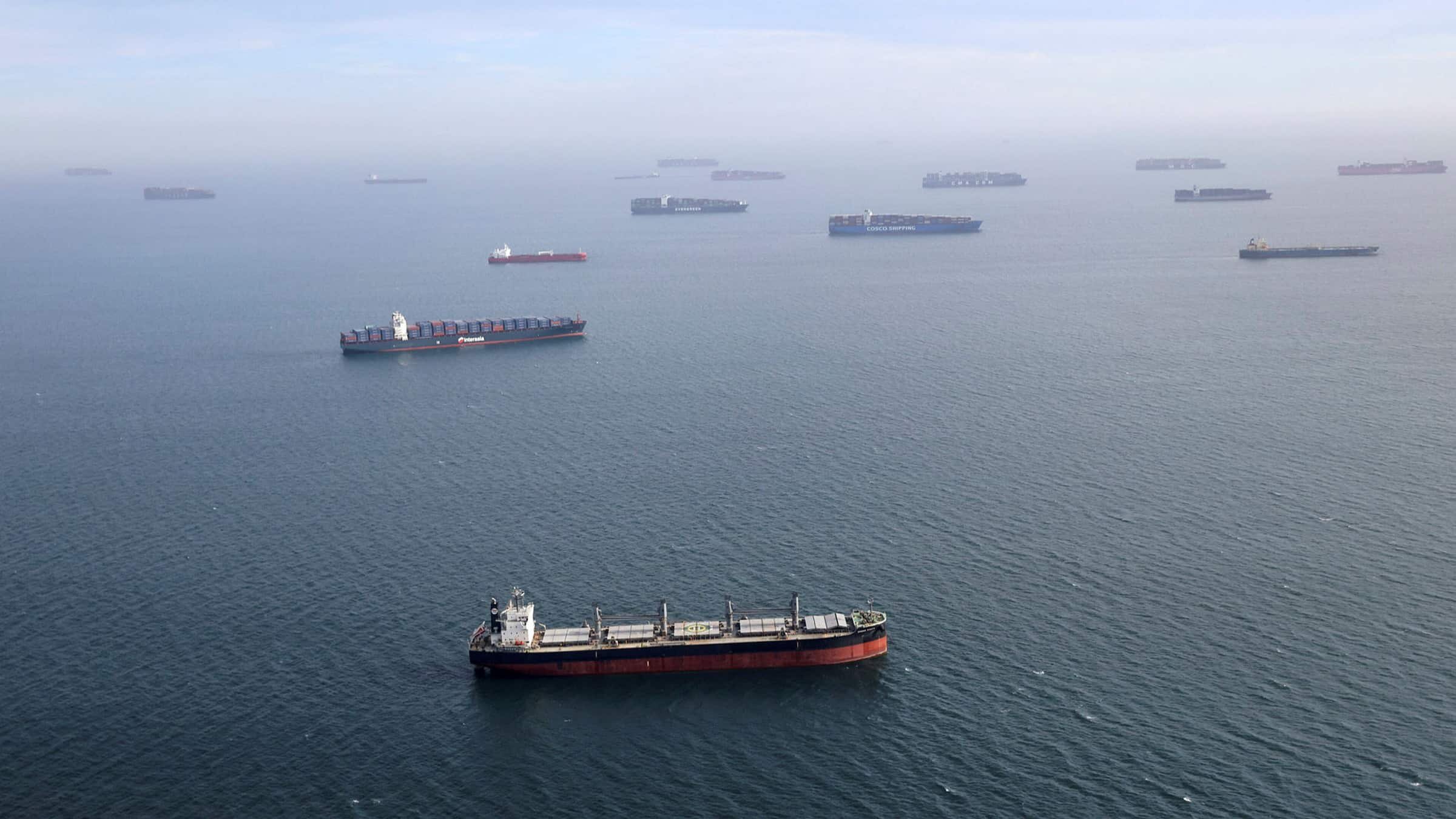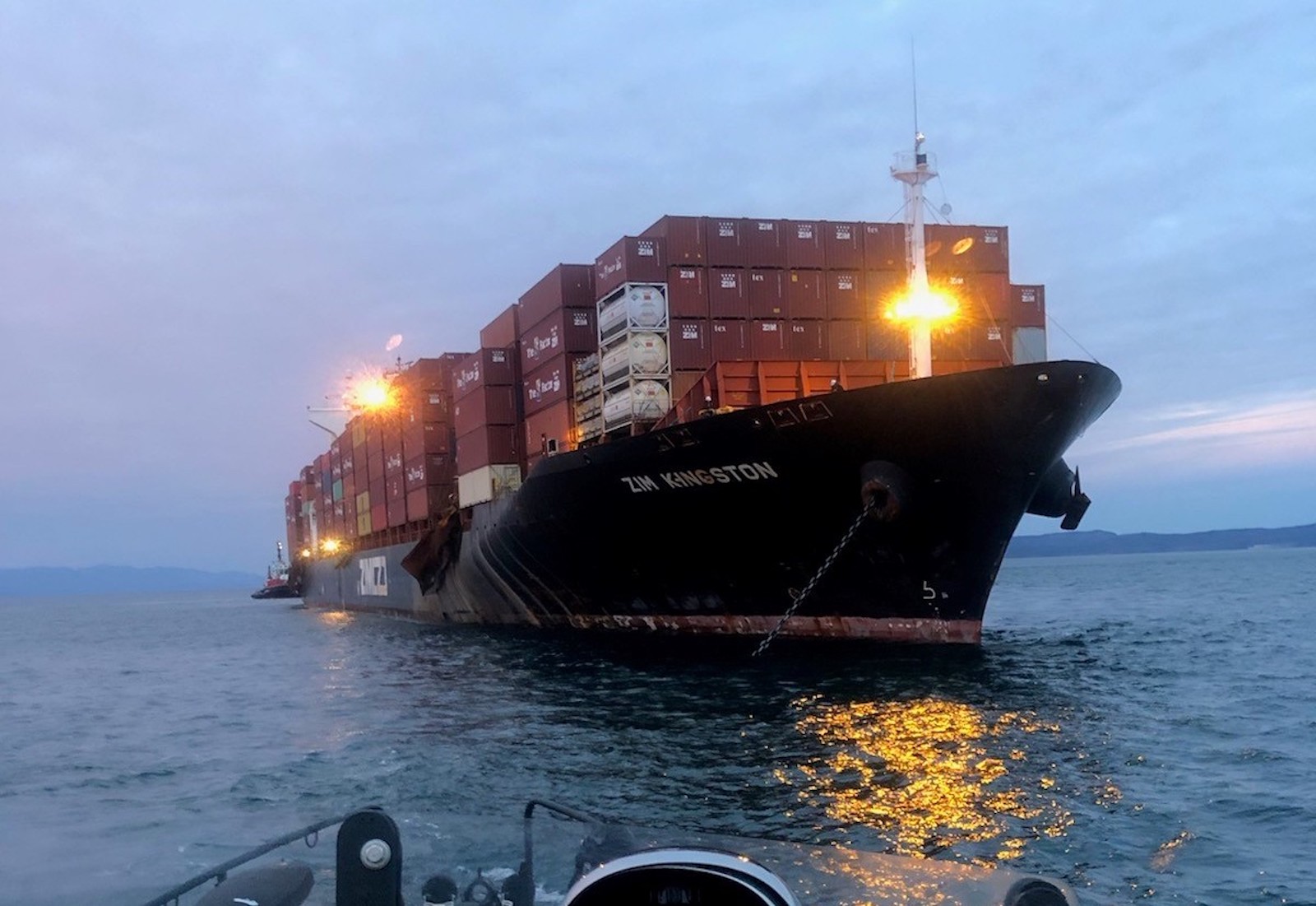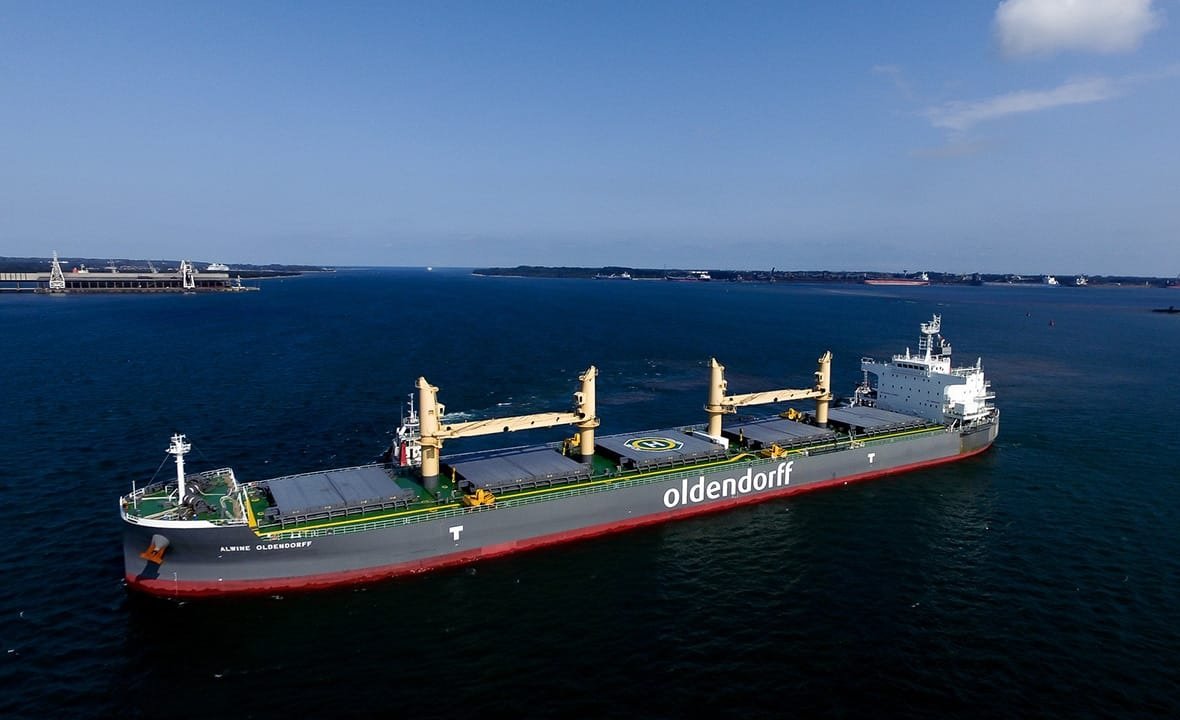
The United Nations Conference on Trade and Development (UNCTAD) recently released the “Review of Maritime Transport 2025: Steady Course in Turbulent Waters” report, which indicates that the global shipping industry is entering a phase of sluggish growth, rising costs, and heightened uncertainty. This industry carries over 80% of the world’s traded goods.
After achieving strong growth last year, maritime trade stagnated in 2025, with cargo volume increasing by only 0.5%. Geopolitical tensions forced adjustments to long-haul routes, leading to a significant surge in transport volume measured in ton-miles last year, with a growth rate close to 6%.
UNCTAD Secretary-General Rebeca Grynspan stated: “Future shifts, whether towards zero carbon, digitalization, or opening new trade routes, must be transformative rather than substitutive. They must empower rather than exclude, and enhance resilience rather than exacerbate vulnerability.”
● Evolving Trade Landscape
Geopolitical tensions, new tariff policies, changing trade patterns, and route restructuring are collectively reshaping the geographical map of maritime trade.
The United States and its trading partners have introduced a series of measures, including new tariffs, port fees, and restrictive policies on foreign-built or operated vessels calling at U.S. ports. These actions may further increase shipping costs and alter route layouts.
The consequences include more vessels being forced to reroute, cancellations of port calls, extended voyages, and ultimately increased costs. The energy transport landscape is also transforming: under decarbonization pressure, coal and oil transport volumes are under strain, while natural gas trade continues to expand.
Critical minerals essential for batteries, renewable energy, and the digital economy are becoming a new focal point in global trade competition, as countries vie to secure supplies and establish domestic value chains. For developing countries, maritime logistics are key to seizing opportunities in critical minerals.
● Persistently Rising Freight Costs
Freight rate volatility is significantly increasing. For example, supply chain disruptions caused by the Red Sea crisis in 2024 immediately pushed up freight rates; while ongoing geopolitical tensions in 2025 have raised market concerns about potential spillover effects on shipping through the Strait of Hormuz.
Environmental compliance costs, including carbon emission pricing, are reshaping the cost structure of the shipping industry. Persistently high transport costs are particularly severe for Small Island Developing States and Least Developed Countries.
UNCTAD calls for targeted measures to stabilize freight rates, strengthen port operations, advance trade facilitation, and enhance the predictability of trade policies.
● Ports Urgently Need to Improve Operational Efficiency
Ports are under pressure from various disruptions, leading to congestion and extended waiting times.
Simultaneously, ports also need to invest in cleaner, more efficient, and smarter operational models. Digital solutions such as maritime single windows and port community systems have helped some countries reduce costs and improve efficiency, but many developing countries still lag in this process.
UNCTAD urges governments to effectively fulfill international commitments on trade facilitation and automation, and to expand public-private partnerships in port operations. As digitalization deepens, cybersecurity has also become a key priority.
● Climate Challenge: Fleet Green Transition is Urgently Needed
In 2024, greenhouse gas emissions from the shipping industry grew by 5%. Globally, only 8% of the fleet’s tonnage has the capability to use alternative fuels, and ship scrapping rates remain persistently low. The net-zero emission framework expected to be adopted by the International Maritime Organization in October 2025 will establish global fuel standards, introduce a greenhouse gas pricing mechanism starting in 2028, and also set up a fund to support developing countries.
Ship scrapping urgently needs to accelerate and must adhere to sustainable standards. The Hong Kong International Convention for the Safe and Environmentally Sound Recycling of Ships entered into force in June 2025, covering 90% of the global ship recycling market.
UNCTAD warns that the decarbonization transition for the maritime industry is costly, involving fleet renewal, port upgrades, and alternative fuel infrastructure. To drive this transformation, clear regulatory signals, large-scale investment, and close collaboration among governments, industry, and financial institutions are all indispensable.
● Human Dimension of Shipping
The Review of Maritime Transport also strongly emphasizes the urgency of safeguarding seafarers’ rights, as the number of global ship abandonment cases reached a historical peak in 2024. The amendments to the Maritime Labour Convention, set to take effect in 2027, strengthen seafarers’ rights to repatriation and shore leave, but their effective implementation still requires concrete guarantees.
Policy priorities proposed by UNCTAD include:
• Stabilizing trade policies to reduce uncertainty and ensure smooth supply chains;
• Investing in sustainable, green, and resilient port and shipping infrastructure;
• Promoting digital transformation to enhance efficiency and transparency, while simultaneously strengthening cybersecurity defenses;
• Accelerating fleet renewal and modernization to achieve climate goals and promote sustainable ship recycling;
• Providing buffers for vulnerable economies to mitigate the severe impacts of high shipping costs.
Source: UNCTAD