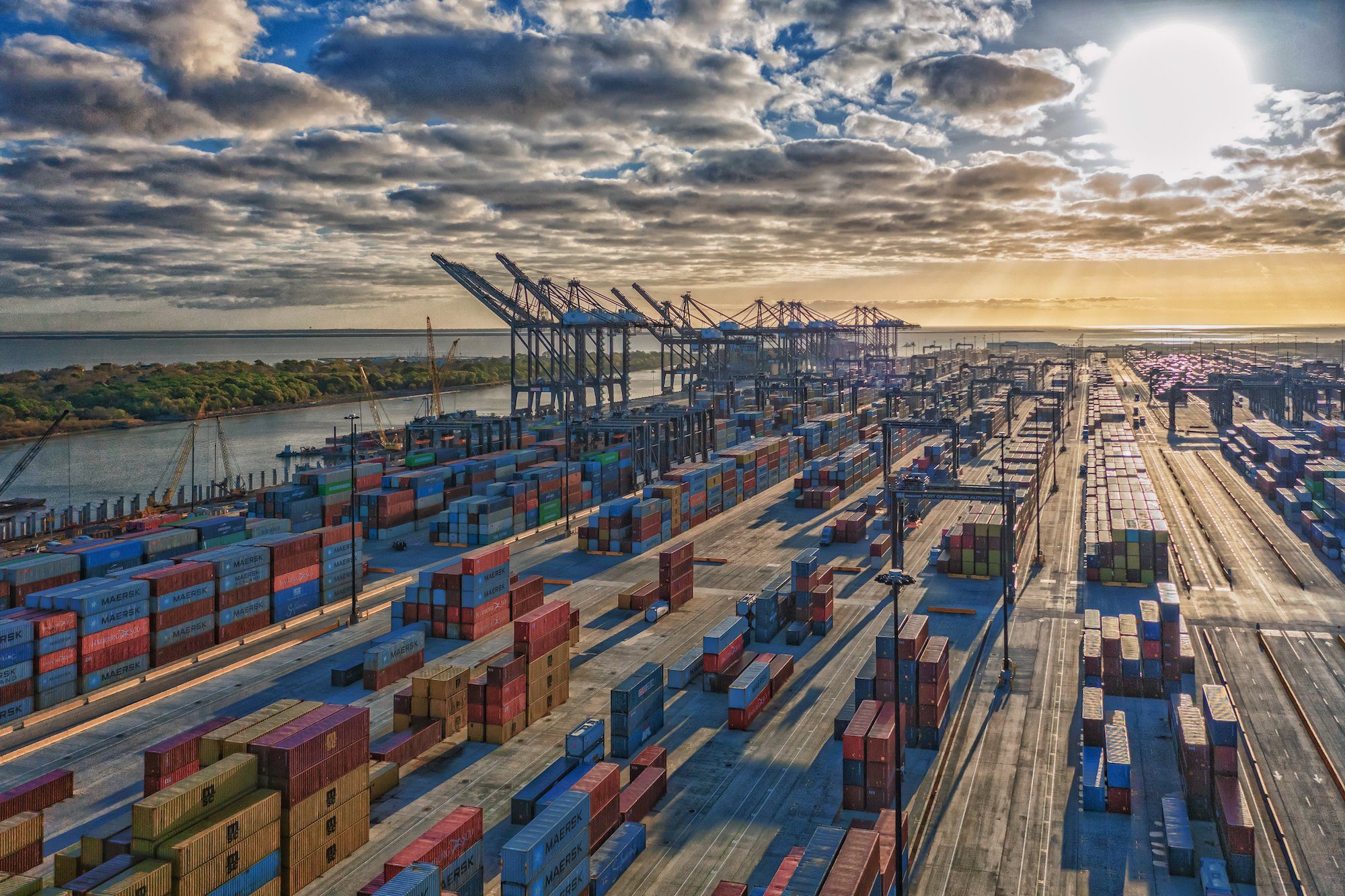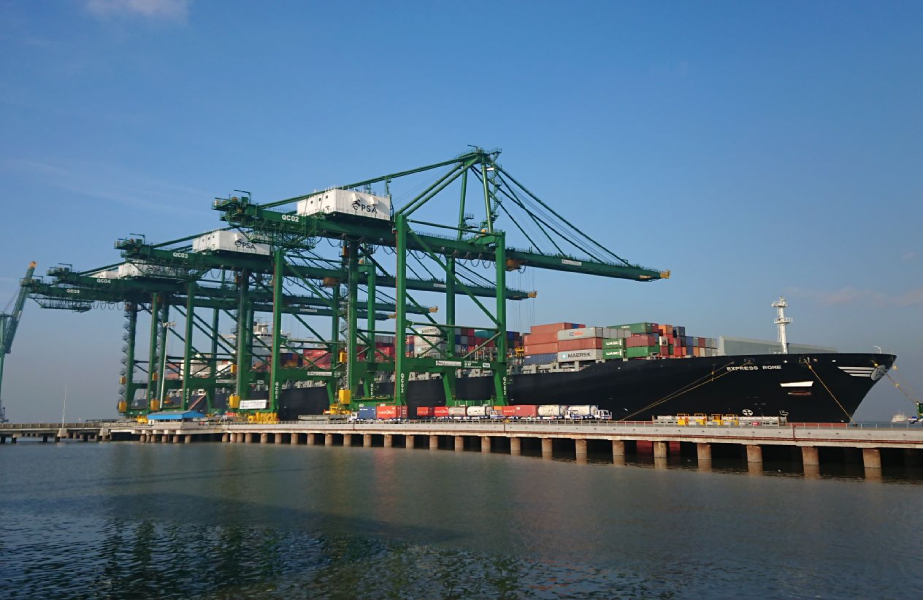
Image Source: Port of Long Beach
Latest data from consulting firm Project44 shows that as demand on the China-US route declines, the number of blank sailings has soared to a new high, with 67 from China to the US and 71 from the US to China. Furthermore, the number of blank sailings in October is expected to exceed levels seen during the initial phase of the COVID-19 pandemic. Analysis points out that these figures have surpassed the peak during the COVID-19 period, highlighting the severe impact of the recent tariff policies implemented by the Trump administration on maritime trade.
Since the beginning of this year, the number of blank sailings has continued to increase, concentrated on the trade routes most severely affected by tariffs. Although weekly or monthly freight volumes fluctuate with the highly volatile import tariff costs, the overall net trade volume remains roughly the same as last year. Project44 predicts that the shift in procurement away from high-tariff countries (China) may take several years to fully materialize; currently, the overall proportion of East-West trade remains largely unchanged, with tariff costs being shared by manufacturers, importers, and end consumers.
According to Project44 data, the most impacted routes include the US West Coast to Southeast Asia route, where blank sailings surged by 75% year-on-year; while blank sailings on the China to US West Coast and Southeast Asia to US West Coast routes increased by 46.5% and 40.7% respectively. These figures indicate that shipping companies are managing capacity in response to weak demand and adapting to market uncertainty.
Bart De Muynck, a senior supply chain analyst and former Gartner research lead, pointed out: “The current level of blank sailings by carriers is the highest since the initial phase of the pandemic. However, the strategic focus has shifted from crisis response to maintaining stable freight rates in a market distorted by tariffs.”
The impact on China-US trade has been particularly severe. Compared to 2024, the value of US imports from China has fallen by 27% so far this year, while the value of US exports to China has dropped even more sharply, by 42%. After slight growth in January-February, import volume plummeted sharply: down 38% in April, 46% in May, and 41% in September; export volume continued negative growth, plunging 57% in April, and falling sharply by 53% in both May and August.
Despite sharp fluctuations in trade volumes on specific routes, the overall country share of US imports and exports has changed little, suggesting that most US businesses have not yet made significant adjustments to their sourcing channels or customer base. However, Project44 data shows signs of supply chain diversification emerging – monthly export data from Indonesia and Thailand to the US has grown between 11% and 81% compared to the same period in 2024.
In the face of ongoing challenges for the shipping industry, Project44 ultimately concludes: “Rather than altering supply chain geography, tariff policies are primarily impacting shipping timeliness and reliability.” However, the organization also notes that the industry outlook for 2026 remains highly dependent on future tariff decisions and trade negotiations.