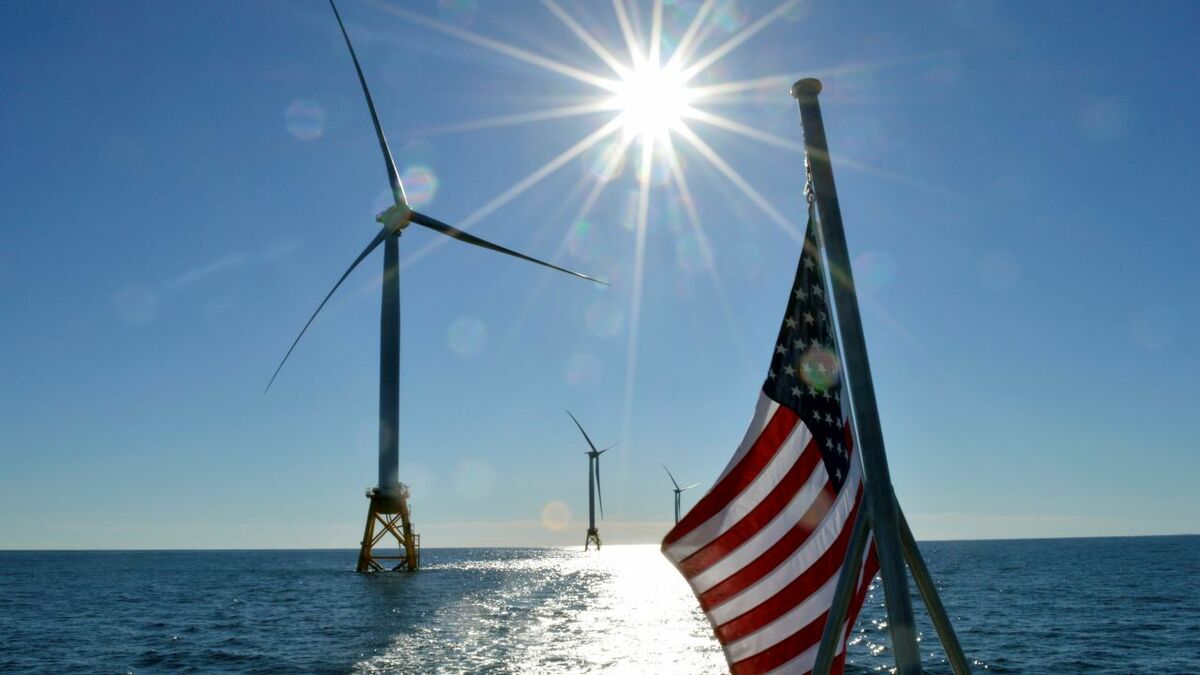
The International Marine Contractors Association (IMCA) and the American Clean Power Association have reiterated their deep concerns about vessel manning legislation that they believe would severely affect the offshore wind industry in the US
IMCA first drew attention to the damaging effect of the legislation earlier this year. In March it published an Information Note about the Congressionally proposed manning constraints that would be applicable to vessels operating in support of US offshore energy projects.
That legislation, the American Offshore Worker Fairness Act, Section 518 of the Coast Guard Authorization Act of 2022 (HR 6865), was passed by the House of Representatives on 29 March 2022 and is now pending before the US Senate.
IMCA chief executive Allen Leatt said, “There remains much more to comprehend regarding the potential of this proposed legislation and there are many inaccuracies related to the purported rationale for the need to enact it. IMCA has prepared a comprehensive fact sheet to demystify the myths regarding the proposed legislation.” It can be obtained by following this link.
IMCA maintains that, as currently written, the crewing provision in the legislation would block the use of international vessels, and that there are virtually no US-flagged construction vessels to do the work required in the offshore wind industry. “As a result,” said IMCA, “the House crewing provision would halt domestic offshore wind installation.”
American Clean Power, which represents renewable energy companies in the US, recently published a publicly available paper on offshore wind and maritime crewing. It is available by following this link.
“Ultimately, the offshore wind industry and Congress have the same goal,” said American Clean Power, “that is, maximizing the number of Americans employed in offshore wind. This includes mariners.
“Building out the domestic offshore wind industry will pay enormous economic development benefits and aggressive deployment of offshore wind will make a material contribution to our domestic energy security.
“But we cannot impose impossible mandates on the industry that will severely limit this potential. Unfortunately, the current House maritime crewing provision does just that.”