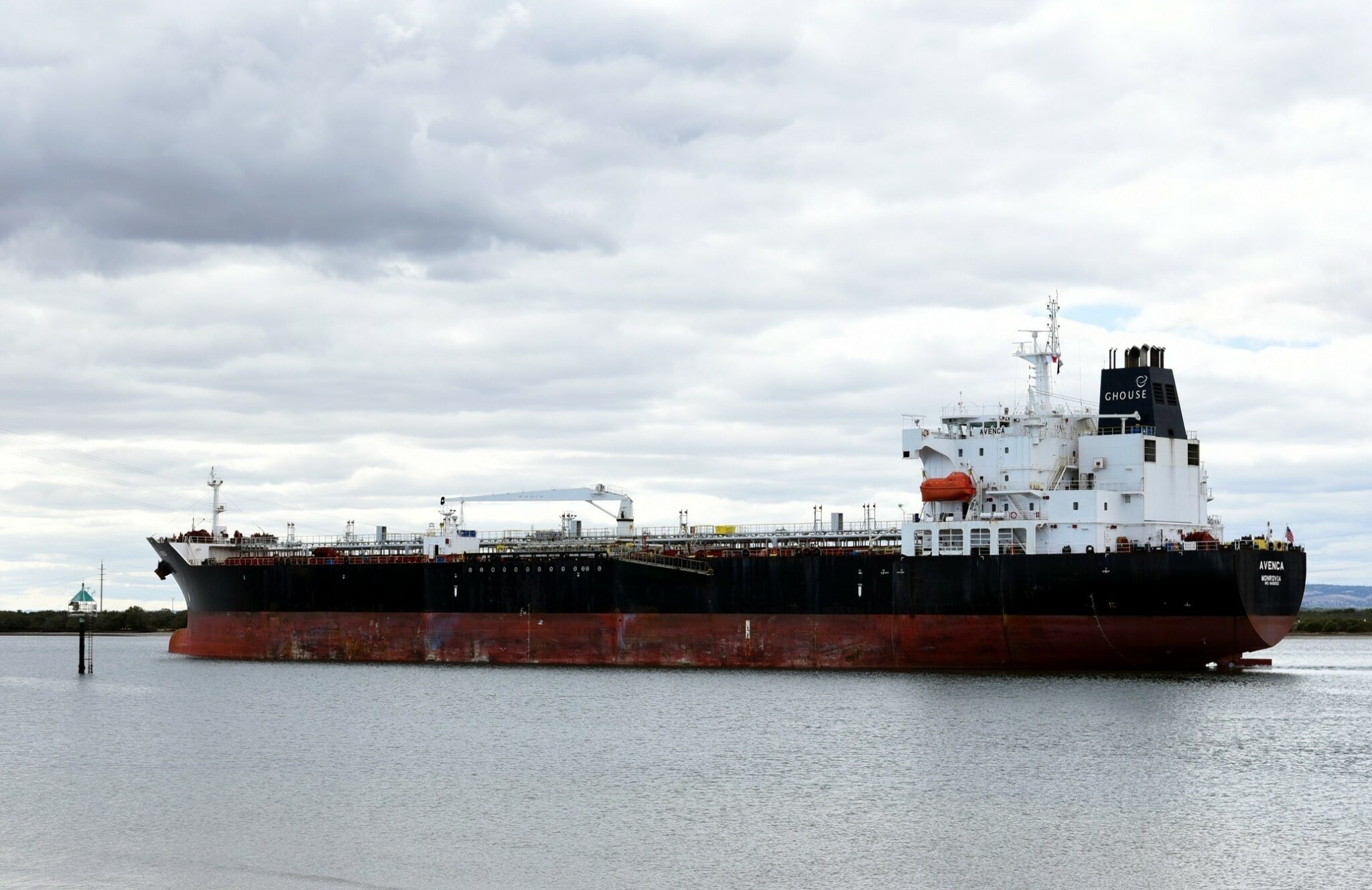
The Biden administration will ease some sanctions on Venezuelan oil in a bid to bring more of the country’s crude oil to the US and Europe
The United States previously imposed sanctions on Venezuela including its oil industry – the main source of the country’s wealth – blocking the purchase of petroleum from Venezuela’s state oil company, PDVSA and forcing the closure of its US subsidiary, CITGO.
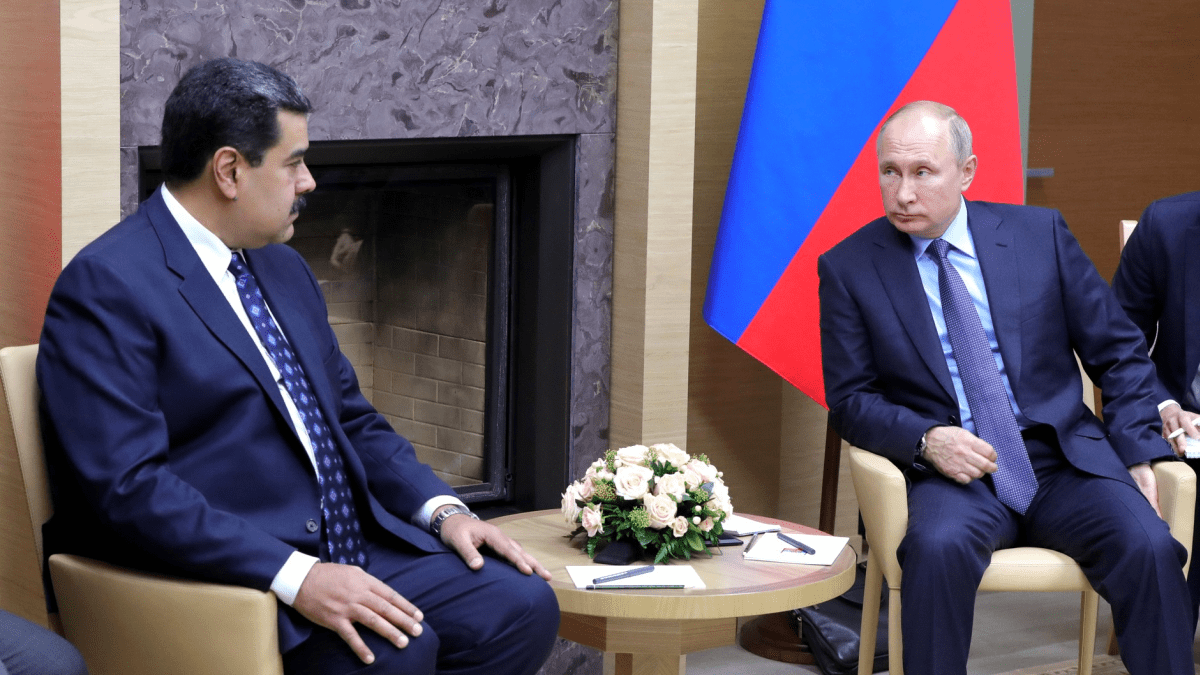
The two nations have had no formal diplomatic ties since 23 January 2019. But following the Russian war in Ukraine, rising inflation and the associated hike in oil prices caused by the war, and then subsequent US sanctions on Russia, the Biden administration is easing sanctions, allowing European companies operating in Venezuela to divert more oil to Europe.
Currently, Italy’s Eni and Spain’s Repsol are the only major European oil producers operating in Venezuela.
Venezeula’s Vice President, Delcy Rodriguez Gómez wrote on Twitter, “The Bolivarian Government of Venezuela has verified and confirmed the news published to the effect that the United States of America has authorised US and European oil companies to negotiate and restart operations in Venezuela.”
In addition, Bloomberg cited an anonymous source who believes Chevron will be allowed to resume operations in the Latin American nation. Axios and The Washington Post have added the US Treasury department is allowing Chevron a ’narrow’ licence with the Venezuelan Government over possibly restarting production.
Venezuela has the largest reserves of oil in the world, but the country is some way behind fellow OPEC nations in terms of production. OPEC’s estimates for April 2022 put Venezuelan production at an average of 707,000 barrels per day (b/d), according to secondary sources and 775,000 barrels based on direct communication.
OPEC data indicates that global liquid fuels production in April decreased by 0.77M b/d to average 98.74M b/d compared with March. Since the start of the war in late February, the data showed that Russia’s output has dropped from about 11M b/d in March to an average of 10M b/d in April.
OPEC secretary general Mohammed Barkindo previously said there is not enough oil capacity to compensate for the loss of Russian supply.