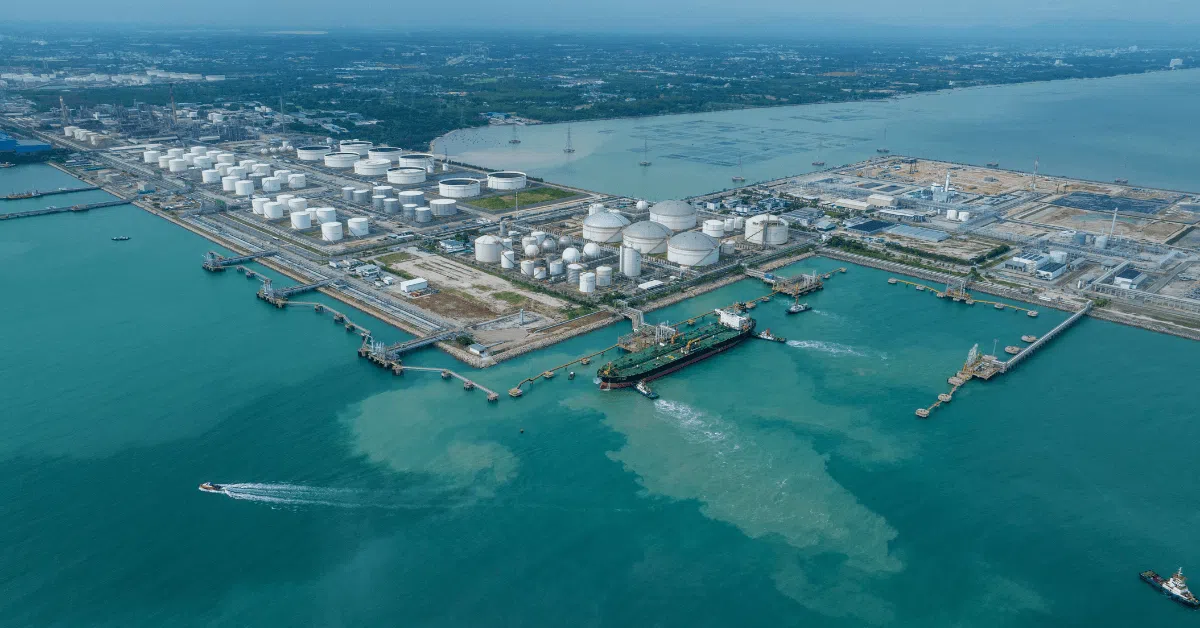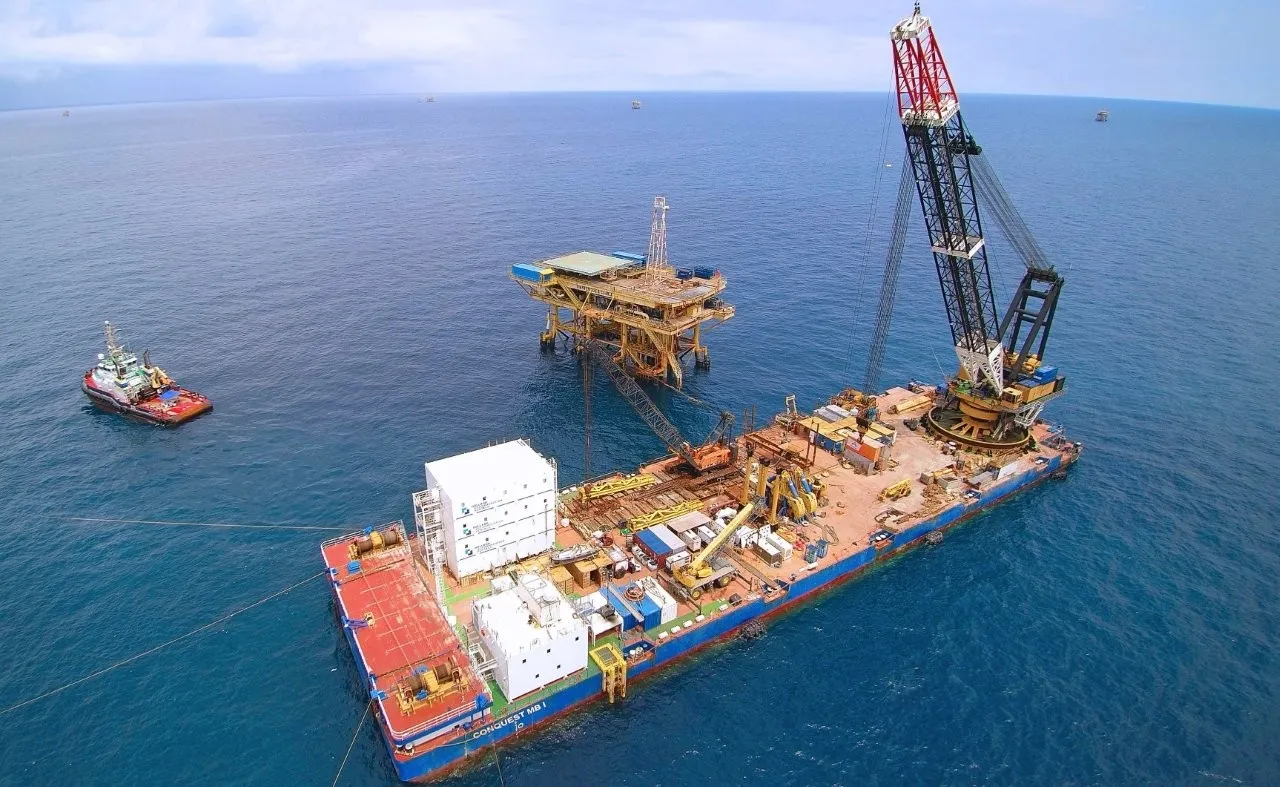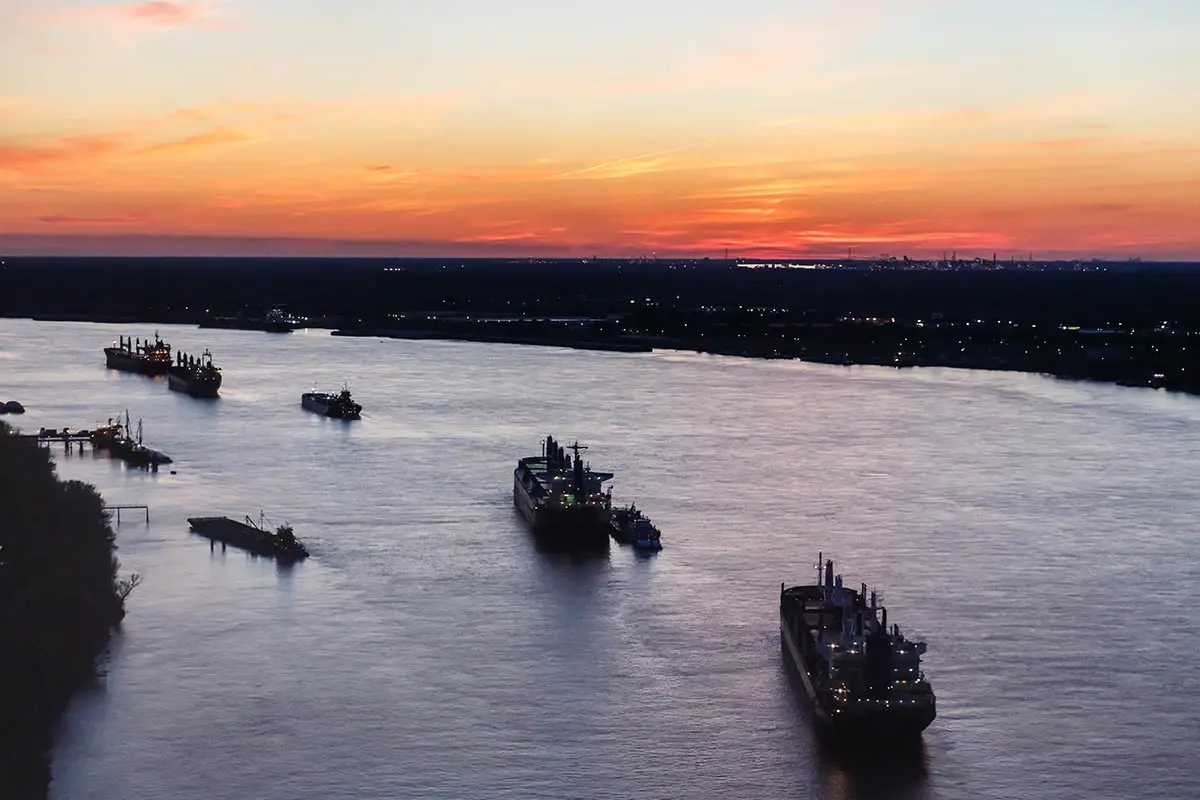
The ports along the Jutland west coast are concerned about the current emergency response capacity in the event of major environmentally polluting incidents. The concern must be seen not least against the backdrop of increasing activity in the offshore sector.
“We urgently need to strengthen emergency preparedness. A serious pollution incident could have catastrophic consequences for both nature and businesses along the West Coast,” says Dennis Jul Pedersen, port director at Esbjerg Port.
The West Coast ports, including Rømø and Esbjerg, are located in the heart of UNESCO’s World Heritage Site, the Wadden Sea – one of Europe’s most important wetlands and home to unique birdlife.
“The Wadden Sea is not just a natural gem – it’s a global responsibility. We have committed to protecting this area, and that requires us to respond quickly and effectively if an accident occurs,” says Ulla Kiersgaard, port manager at Rømø Port.
“Despite the municipalities’ responsibility under the Marine Environment Act and the national Marine Environment Plan, the ports assess that the current capacity and available equipment are insufficient to handle major incidents – especially in shallow and ecologically sensitive areas.
There is a need for low-draft environmental vessels with specialized equipment and permanent deployment near the West Jutland ports.
“We need emergency preparedness that matches the risk we face. Along the entire West Coast, there is nature that attracts many tourists. These are irreplaceable values at stake, and it demands a strong operational effort that can respond quickly to critical incidents,” says Mogens Pedersen, port director at Hvide Sande Port.
-mauh