World COPD Day, celebrated annually on November 19, is an opportunity to raise global awareness about Chronic Obstructive Pulmonary Disease (COPD), which remains one of the leading causes of death worldwide.
Organized by the Global Initiative for Chronic Obstructive Lung Disease (GOLD), the event brings together healthcare professionals, public health authorities, and patient groups to focus on the increasing burden of COPD and to promote strategies for prevention, early diagnosis, and effective management.
The theme for the 2025 World COPD Day, “Short of Breath, Think COPD”, highlights a persistent challenge: despite being the third leading cause of death globally, COPD remains underdiagnosed and often misdiagnosed.
Many people dismiss symptoms like chronic cough and shortness of breath as “normal,” mistakenly attributing them to aging, smoking, or poor working environments. This leads to countless patients experiencing delayed or incorrect treatment, missing opportunities for interventions that could significantly improve their quality of life.
The Threat of COPD to Seafarers
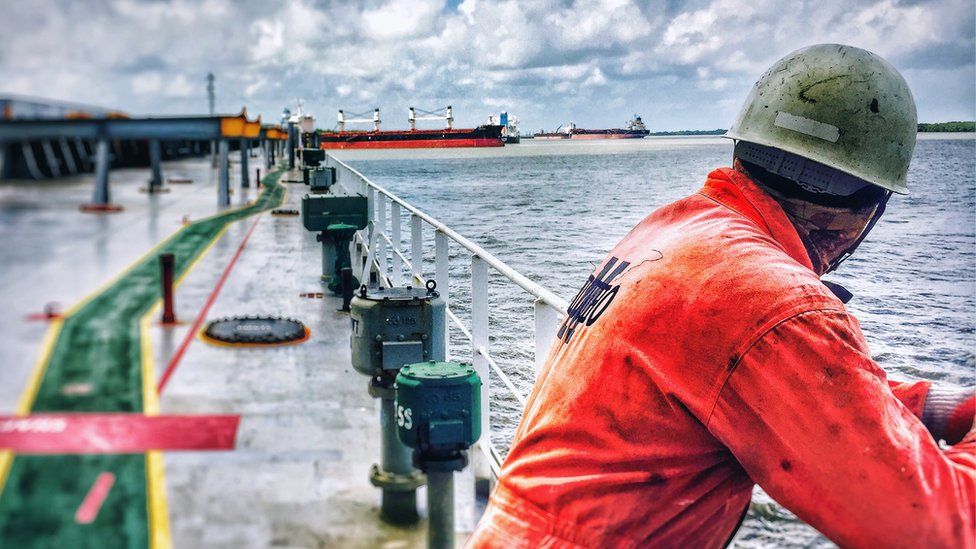
Although COPD affects people across all regions and occupations, seafarers are one of the high-risk groups.
A UK population study previously identified “seafaring” as the occupation with the strongest association with COPD development, with a risk even higher than coal mining and industrial cleaning.
This conclusion does not surprise maritime health experts—they have long warned that the combined factors of the maritime environment and seafarers’ behavioral habits continuously impact lung health.
Seafarers are exposed to the following risk environments during their life on board:
Diesel exhaust and engine room fumes
Dust, chemical vapors, and cargo residues
Poor ventilation in work and living spaces
Higher smoking rates among seafarers compared to the general population
These factors, especially with long-term exposure, cause cumulative damage to the lungs, and smoking significantly exacerbates the harm from occupational risks.
Early identification of COPD is crucial. According to GOLD recommendations, healthcare workers should prioritize COPD screening for individuals presenting with the following symptoms:
Persistent shortness of breath
Chronic cough or sputum production
Recurrent respiratory infections
History of occupational hazards or exposure to tobacco smoke
For seafarers, the above symptoms must not be ignored or simply attributed to “life at sea.” Early diagnosis through spirometry and medical evaluation can lead to better outcomes, including improved lung function, symptom control, and the ability to work safely.
Beyond COPD: Common Respiratory Diseases on Ships
On World COPD Day, we should also broaden our focus to other respiratory diseases that threaten seafarer health.
The ship environment is unique: enclosed spaces, shared ventilation systems, multinational crew rotations, and varying hygiene standards can all contribute to the rapid spread of respiratory diseases.
The following are common respiratory diseases among seafarers and reasons why the ship environment increases the risk:
1. Viral Infections (Influenza, Common Cold, etc.)
Viral respiratory infections spread easily in confined spaces—especially on ships where living and working areas are highly concentrated.
Fatigue, stress, and long voyages can weaken immunity, leading to more frequent and harder-to-control virus outbreaks.
2. Pneumonia
Pneumonia is a potentially serious infectious disease caused by bacteria, viruses, or fungi.
At sea, the risk is exacerbated by the inability to immediately access advanced medical resources.
Delayed treatment can lead to serious complications, making prevention and early identification vital.
3. Tuberculosis (TB)
Tuberculosis remains a global public health challenge, posing a particular threat to seafarers from high TB burden regions.
Long-term shared cabin occupancy or poorly ventilated spaces increase the risk of disease transmission. Early detection, screening, and adherence to treatment are key to preventing TB outbreaks on board.
4. Chronic Obstructive Pulmonary Disease (COPD)
As mentioned, COPD is a chronic lung disease characterized by “airflow limitation.”
Long-term exposure to fumes, dust, and chemicals significantly increases the risk for seafarers.
Early diagnosis, smoking cessation, and control of workplace risks can substantially reduce the disease burden.
5. Legionnaires’ Disease
A serious pneumonia-like illness caused by Legionella bacteria, often originating from contaminated water systems (e.g., showers, water tanks, HVAC systems).
Recorded outbreaks have occurred on merchant and passenger ships when vessels did not strictly adhere to water safety standards.
Practical Protection Strategies for Respiratory Health at Sea
Respiratory diseases on ships are not “unavoidable.”
Supported by organizations like the US CDC, WHO, IMO, and ILO, most diseases can be effectively prevented through targeted, documented protective measures.
Effective prevention requires a combination of individual behavior and institutional safeguards:
1. Improve Ventilation and Air Quality
Ships should implement the following measures:
Regularly inspect HVAC systems
Clean and replace air filters
Ensure adequate airflow to reduce the accumulation of fumes and airborne pathogens
Good ventilation is a critical defense against airborne diseases.
2. Implement Routine Vaccination
Influenza vaccination and TB screening should be standard components of pre-joining medical examinations.
Vaccinated crews are less likely to trigger onboard disease outbreaks and recover faster even if exposed.
3. Enhance Hygiene and Disinfection
Simple measures can significantly reduce transmission risk:
Frequent handwashing
Disinfecting high-touch surfaces (e.g., door handles, control consoles)
Providing masks during outbreaks
Ensuring easy access to hand sanitizer
These low-cost interventions offer high protective value.
4. Regular Health Screening
Pre-employment and periodic medical examinations can detect diseases like COPD and TB early.
Identifying and managing chronic conditions before boarding protects individual health and reduces risk to other crew members.
5. Correct Use of Personal Protective Equipment (PPE)
Crew working in high-pollution environments (engine rooms, cargo holds, chemical vapor areas) should be provided with appropriate masks or respirators.
Training on PPE use is also necessary to ensure maximum protection.
6. Maintain Water and Ventilation Systems
To prevent Legionnaires’ disease and other waterborne respiratory illnesses, ships must:
Conduct risk assessments
Implement water safety plans
Regularly clean water tanks, pipes, and shower equipment
Monitor water temperature
Apply appropriate water treatment measures to prevent bacterial growth
7. Promote Healthy Lifestyles
A strong immune system stems from:
A balanced, nutritious diet
Regular physical exercise
Adequate sleep
Smoking cessation programs
Ship operators play a key role by providing healthy food, ensuring rest periods, and offering resources for health management.
8. Develop a Written Infection Prevention and Control Plan (IPC)
Every ship must have a documented IPC plan, including:
Clear responsibilities for infection control
Screening and isolation procedures
PPE usage protocols
Cleaning and disinfection standards
Communication channels with port health authorities
Organizations like CDC, IMO, and WHO emphasize the need for formal procedures, rather than relying on ad-hoc measures during emergencies.
Looking Ahead
World COPD Day reminds us that respiratory diseases, whether chronic or infectious, pose a significant threat to seafarers.
The combination of occupational exposure, shared environments, and limited medical resources makes respiratory health a core issue for maritime safety.
Fortunately, most risks are preventable.
If shipping companies and seafarers jointly adhere to scientific principles, implement evidence-based safety measures, and uphold responsibility, they can significantly reduce disease incidence and improve the long-term lung health of all industry professionals.