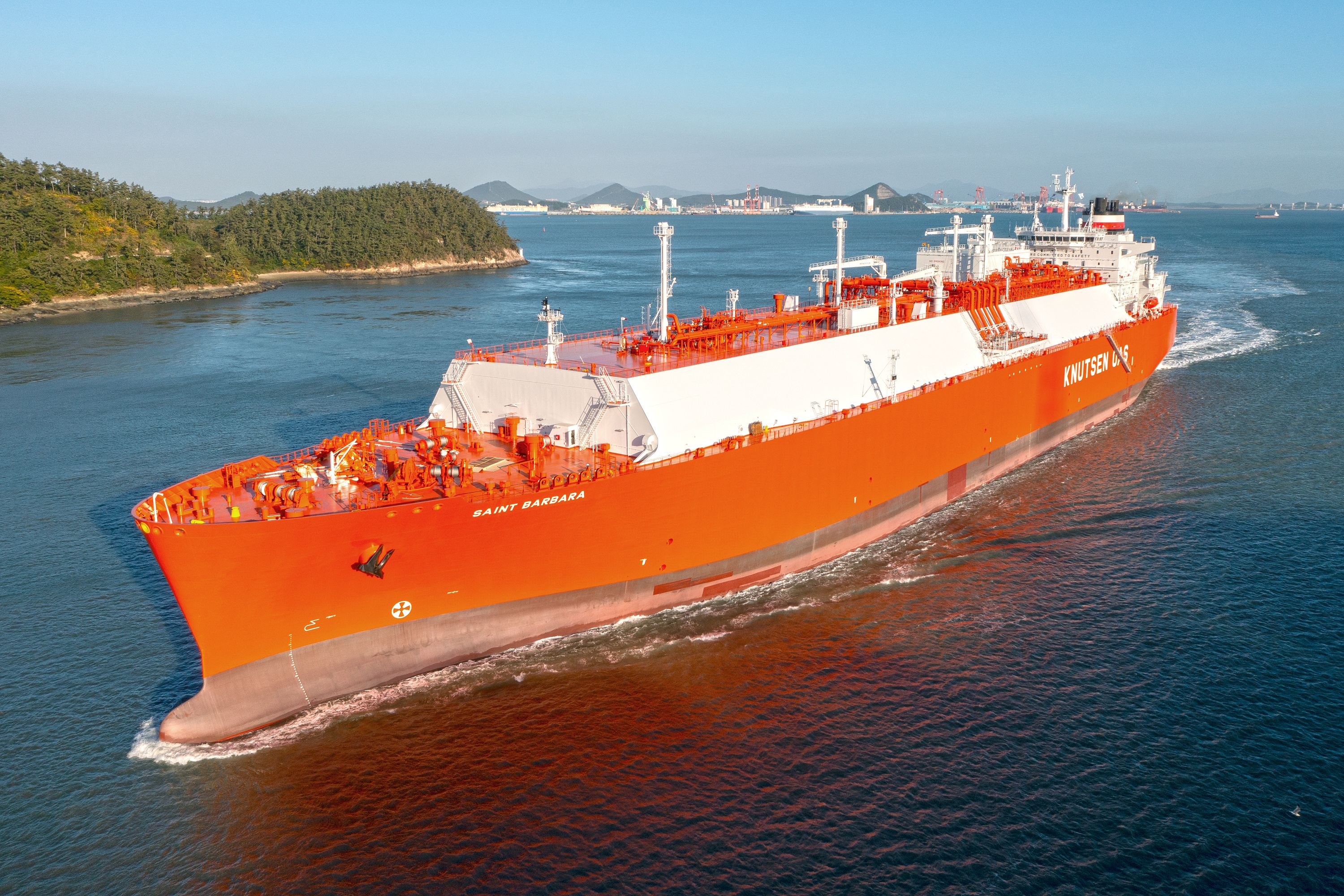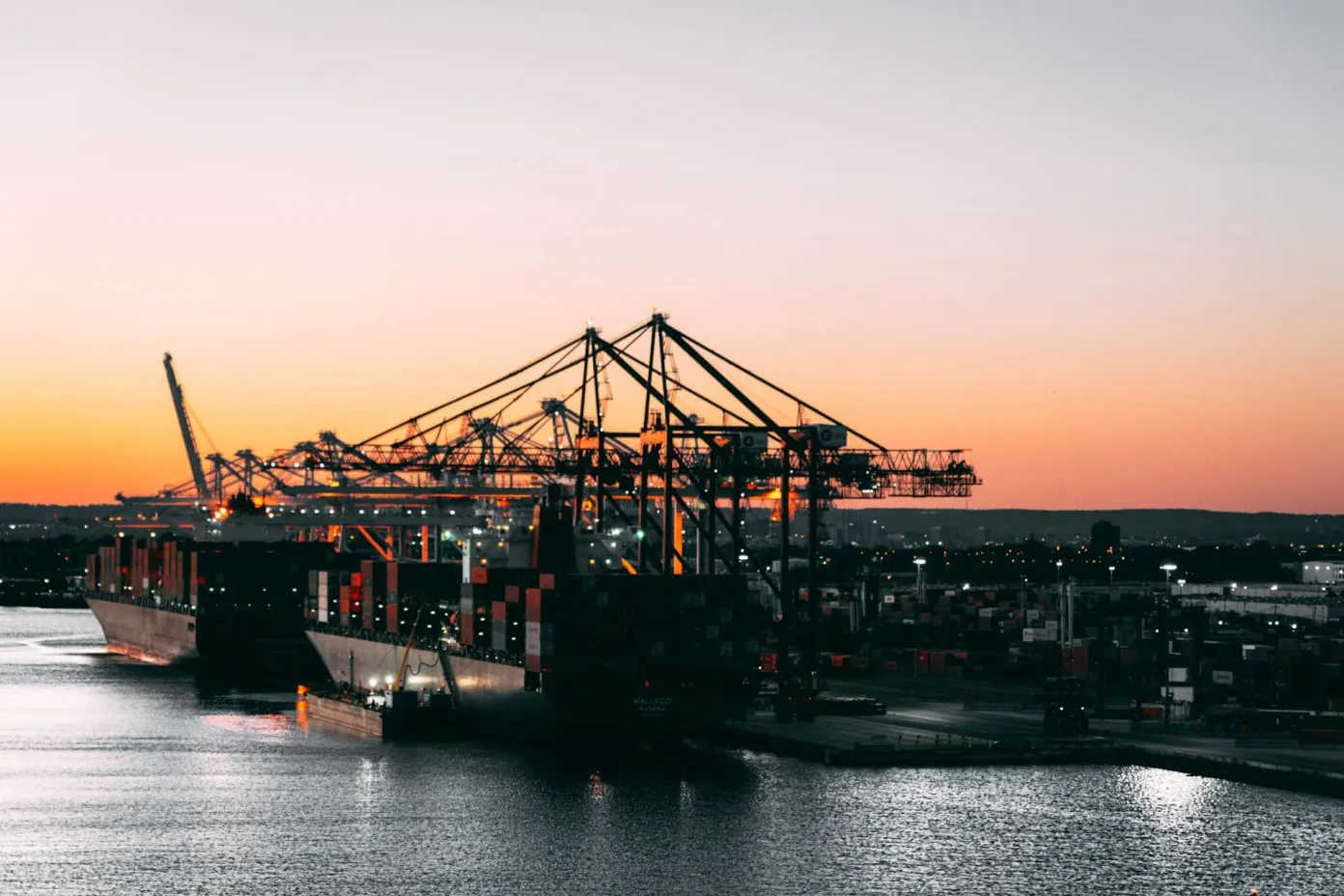
As of March 2026, the number of dual-fuel container ships and vehicle carriers on the water has reached 440, which is a 65 per cent year-over-year increase. The number of such vessels on order has also continued to grow, reaching 764 ships. This follows from the World Shipping Council (WSC) Dual-Fuel Fleet Dashboard.
The WSC dashboard tracks the global liner shipping industry’s investment in vessels capable of running on renewable and lower-emission fuels, and how the liner fleet is preparing for the energy transition.
Long-term investments in flexibility
Across the orderbook, 78 per cent of container ship orders are dual-fuel, 94 per cent of vehicle carrier orders are dual-fuel, and seventeen per cent of orders across the rest of the fleet are dual-fuel.
In total, 1204 dual-fuel container ships and vehicle carriers are now delivered or on order, representing over USD 180 billion in private investment.
‘These vessels are long-term investments built with flexibility in mind,’ says Joe Kramek, WSC President & CEO. ‘Ships built today will operate for decades, and the ability to operate on different fuel pathways helps reduce risk, strengthen energy security, and support more resilient global supply chains. Continued constructive engagement at the IMO remains essential to provide the global regulatory certainty needed to scale investment in alternative fuels.’