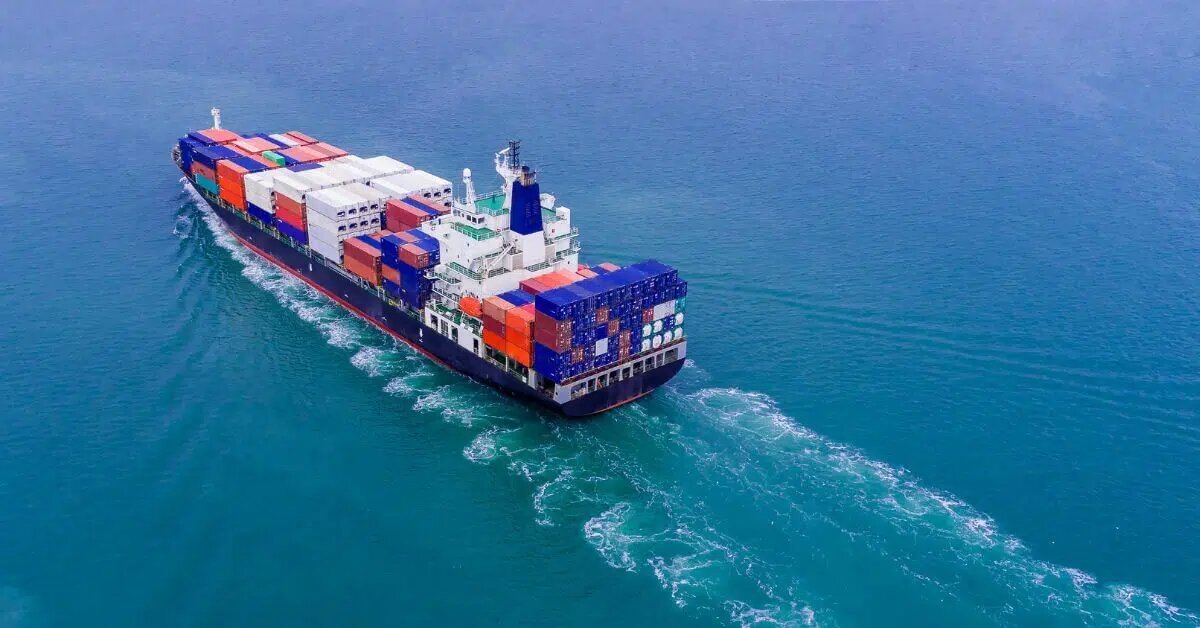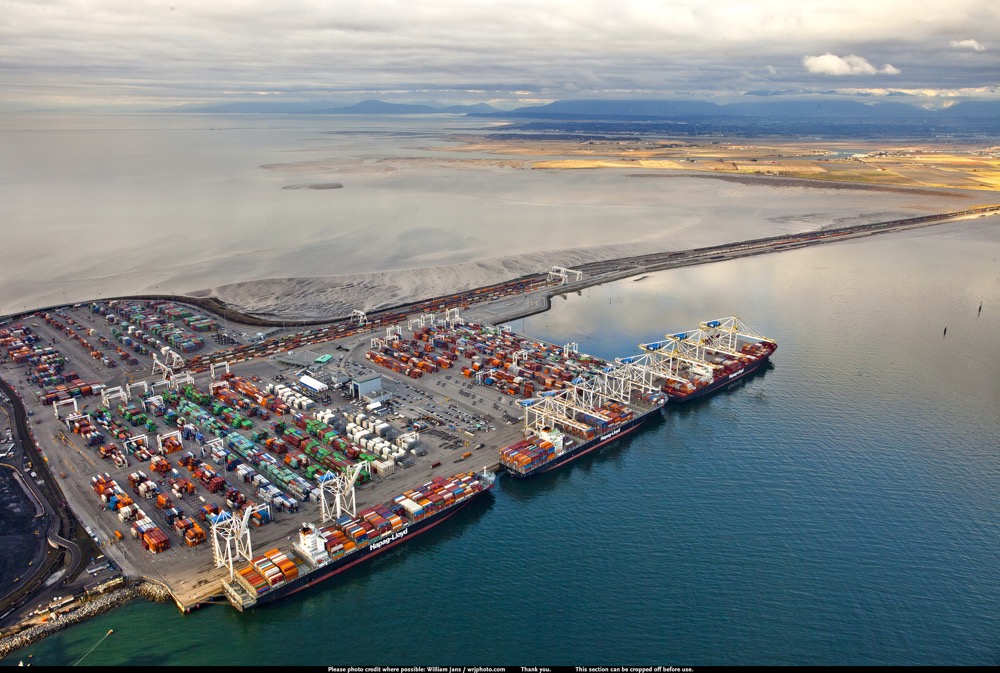
A US-Iran agreement may clear the way for container ships to return to the Strait of Hormuz, but Xeneta expects the market disruption to run until at least mid-September after a blockade hit about 10% of global container shipping capacity, according to Xeneta.
Spot rates are still climbing across major trades. Far East-US west coast rates have jumped 192% from 28 February to $5,493 per FEU on 19 June, while Far East-US east coast rates are up 158% to $6,850 per FEU. Far East-North Europe rates have risen 106% to $4,572 per FEU, Far East-Mediterranean rates are up 77% to $5,884 per FEU and North Europe-US east coast rates have increased 57% to $2,318 per FEU. Before the crisis, 99 container services operated in or transited the Arabian Gulf, deploying 3.2m TEU of nominal capacity.
Only 11 services remain active, including 10 intra-Arabian Gulf services and one Iran-China service, leaving 74,000 TEU of active capacity in the region. Xeneta said 488 vessels were deployed on those 99 services before the conflict escalated at the end of February. Just 18 remain on Arabian Gulf routes, with 470 ships diverted or displaced across the global network.
Peter Sand, chief analyst at Xeneta, said the agreement should be met with “realism and extreme caution”, adding that the scale of disruption and freight market volatility “cannot be reversed overnight”.
Rates have risen again over the past week, with Far East-US west coast prices up 29% and Far East-US east coast prices up 25%. Sand said shippers are frontloading imports before July bunker surcharge increases and because of fears over available capacity, with many being told ships out of Asia are full weeks in advance.
Xeneta said the deal does not immediately reopen the strait. Articles 4 and 5 of the memorandum of understanding cover the US naval blockade and Iran’s obligations not to disrupt traffic, while the agreement sets a 30-day window for minesweeping operations that may take longer. Sand said spot rates will keep rising while the strait is not fully open and could peak around the formal reopening before easing gradually.
The first recovery phase will focus on removing ships and crew trapped inside the Arabian Gulf for almost four months. Xeneta cited the 3,700-TEU CMA CGM Diamond, which entered the Gulf on 17 February and made an unsuccessful attempt to exit the Strait on 18 April.
Feeder and regional services are expected to return before major long-haul Asia-Europe and Asia-North America loops, because those larger services carry greater network-wide risk if security conditions worsen again.
Xeneta expects the Middle East service network to look different after the disruption, with carriers using more regional feeder and transshipment services into the Gulf to shield long-haul networks, even if that adds transit time.
Xeneta is an Oslo-based ocean and air freight intelligence platform that provides freight rate benchmarking, market analytics and data products for the container and air cargo sectors.