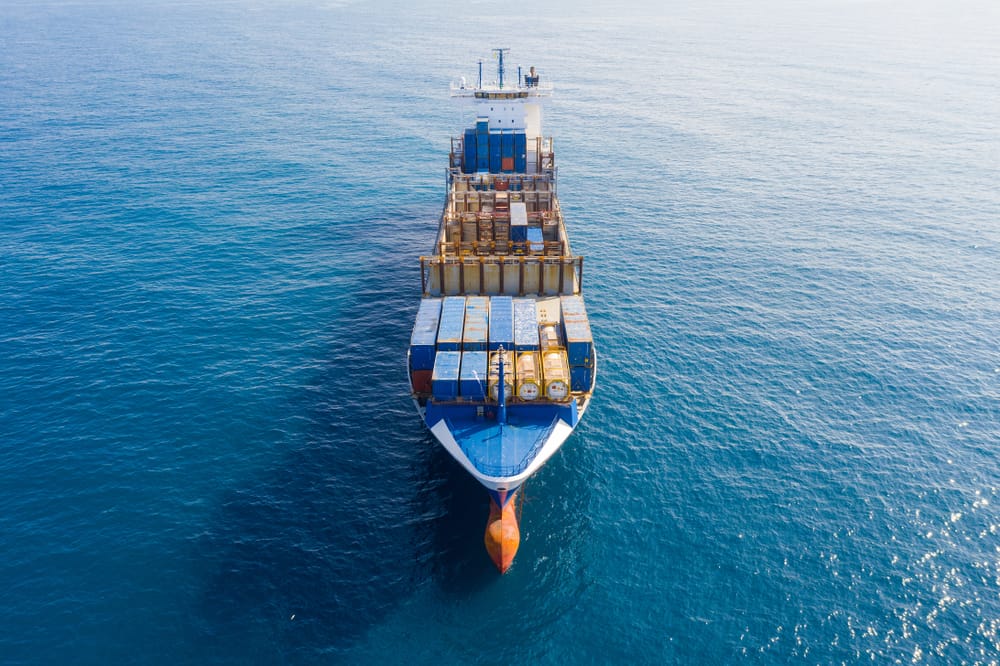
Taiwanese shipping company Yang Ming Marine Transport is considering entering the East Coast of South America (ECSA) market directly with its own vessels for the first time.
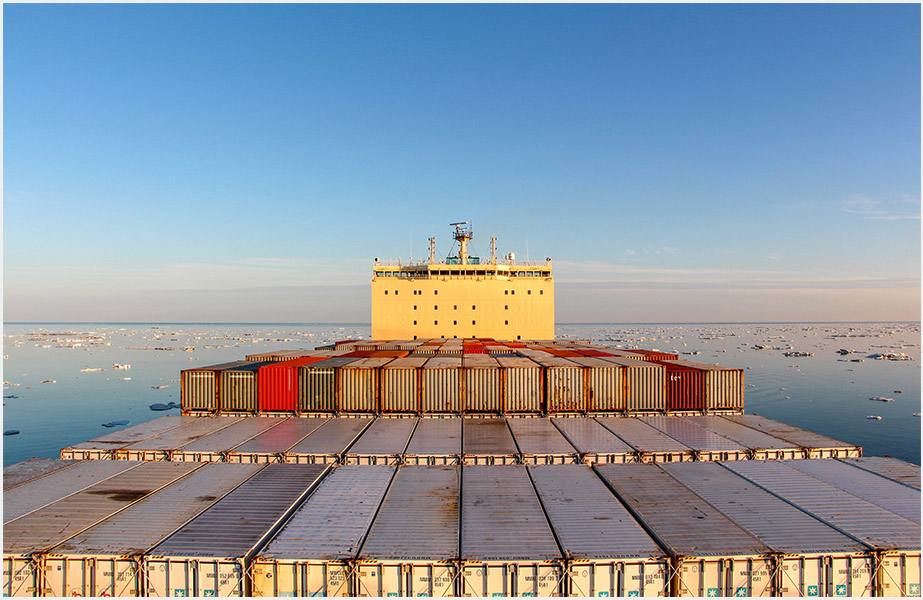
According to *The Loadstar*, Yang Ming Chairman Cheng Cheng-mount confirmed that the company’s five new 15,500-TEU container ships under construction at Hyundai Heavy Industries may be deployed on a route covering Santos, Rio de Janeiro, and Buenos Aires starting April 2026.
If finalized, this decision would mark a significant shift in Yang Ming’s traditionally cautious expansion strategy. The company has historically relied on slot-sharing agreements with carriers such as CMA CGM, COSCO, OOCL, Evergreen, and PIL to operate in the region.
### External Pressures
Behind this move lies not only commercial ambition but also geopolitical considerations. Rising U.S. protectionism—particularly the direct impact of tariffs on Chinese goods—has forced many Asian shipping companies to reroute their networks.
For Yang Ming, weak trans-Pacific volumes and stagnant Asia-Europe trade have made it necessary to diversify risks, seek markets less affected by unilateral decisions, and tap into residual growth in economies like Brazil and Argentina.
As Cheng Cheng-mount put it: “Trans-Pacific volumes have declined. We see cargo sources shifting from China to Southeast Asia. It’s unclear whether this is transshipment or a real industrial relocation.”
### Impact
Yang Ming’s potential direct entry into the Southern Cone market could reshape parts of the current landscape, where alliances dominate Asia-ECSA routes through joint services.
A new dedicated service with its own vessels may increase capacity, seasonally depressing freight rates, and—more importantly—provide importers of electronics, pharmaceuticals, and industrial goods with more intermodal options.
### Opportunities
However, the chairman drew a clear line: “We won’t follow MSC’s strategy of deploying large ships in West Africa. Port infrastructure there remains inadequate. If we enter, it will be through cargo consolidation.”
The fact that a traditionally conservative shipping company is considering entering a volatile market like South America with its own vessels speaks volumes about the state of global shipping—more than any freight index. It’s no longer about growth but repositioning before the rules change again.
For Brazil and Argentina, this is both an opportunity and a reminder: Ships will only come when ports, trade flows, and policies align. The real challenge lies in being ready—with adequate terminals and draft—when that moment arrives.