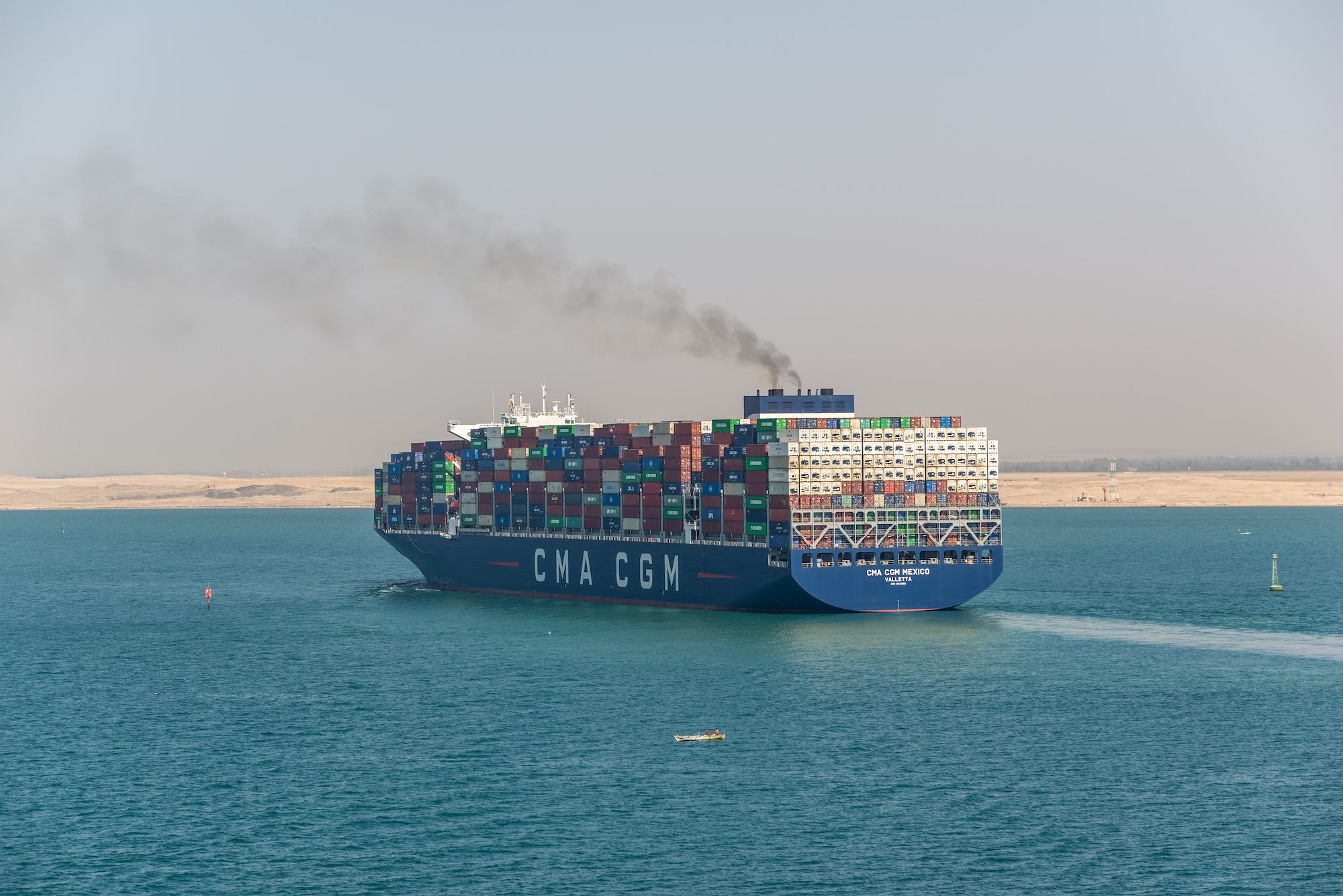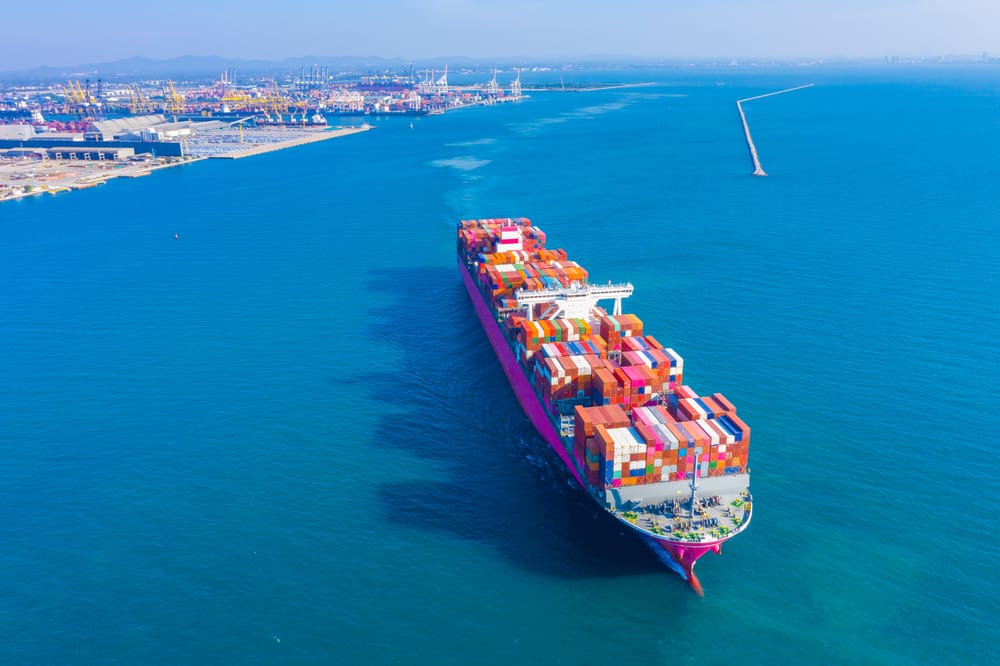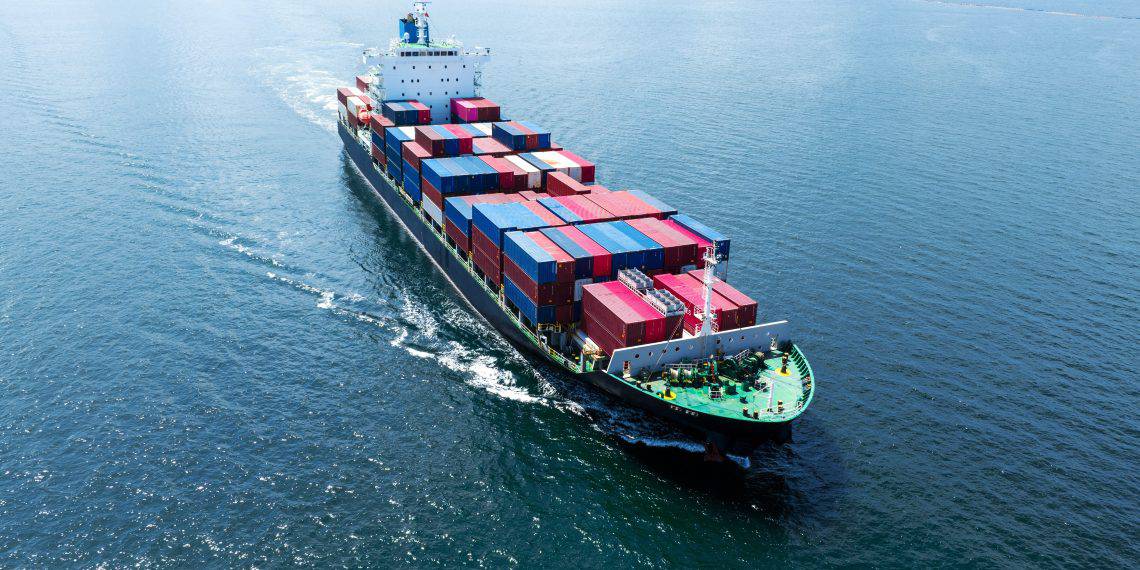
Recently, Turkey’s state-owned energy company BOTAŞ is seeking to order 2 LNG carriers of 174,000 cubic meters. As it begins to have its own fleet, BOTAŞ’s demand for energy transportation may increase significantly. Although BOTAŞ has only proposed purchasing 2 new vessels this time, newbuilding market participants point out that as Turkey’s LNG procurement volume continues to increase, the company may consider acquiring more vessels.
In September last year, BOTAŞ signed a 20-year procurement agreement with Woodside Energy and Mercuria for a total of 15 billion cubic meters of LNG. In December of the same year, BOTAŞ signed new purchase and sale agreements with Eni and SEFE respectively—11 billion cubic meters of LNG will be supplied starting from 2028. As Turkey’s LNG imports continue to increase, BOTAŞ hopes to take control of its own LNG carrier fleet.
Deploying in the LNG Sector
BOTAŞ has already begun its business deployment in the LNG sector. In addition to ordering LNG carriers, it has also built its first fully owned floating storage and regasification unit (FSRU). BOTAŞ, in cooperation with Kolin Construction and Kalyon, built a 170,000 cubic meter FSRU (Ertugrul Gazi), which was completed in 2021 and is currently docked at BOTAŞ’s Dortyol FSRU terminal. Turkish Minister of Energy and Natural Resources Alparslan Bayraktar stated that thanks to the investments we have made in recent years, we are now able to transport large quantities of natural gas by ship. This is beneficial both for diversifying our business and for obtaining natural gas at more favorable and competitive prices. Alparslan Bayraktar also revealed that BOTAŞ is building a new FSRU, and after it is put into operation, the LNG processing capacity at its terminal will double. “The company also plans to build another FSRU on Turkey’s Mediterranean coast, aiming to diversify the country’s energy supply sources, thereby allowing LNG imports to meet more demand.”
Aiming for a Regional Hub
Recently, Turkey has been vigorously developing its domestic natural gas production, pipeline transportation, and storage capabilities, striving to become a regional natural gas hub. Turkey’s LNG regasification capacity is 160 million cubic meters per day. In addition to the “Ertugrul Gazi,” Turkey also has two FSRUs: “Vasant 1” with a storage capacity of 180,000 cubic meters, completed in 2020; and “Turquoise P” with a storage capacity of 170,000 cubic meters, completed in 2019. Furthermore, Turkey imports cargo through two onshore terminals: one is the EgeGaz Aliaga LNG terminal located on the country’s west coast, and the other is the Marmara Ereglisi terminal located on the northern shore of the Sea of Marmara.
Alparslan Bayraktar stated that Turkey is one of the fastest-growing LNG markets in the world and has now become the fourth largest natural gas importer in Europe. Within the next two years, Turkey plans to meet nearly half of its natural gas demand through imported LNG. “By then, we will be able to receive 200 million cubic meters of natural gas per day via ships.”