According to the 2025 Bank of Italy survey on international freight transport, the incidence of transport costs on the exchange of goods remained stable in Italy for exports (equal to 2.6%, up from 2.5% the previous year) and fell slightly for imports (now at 4.1%, down from 4.2%).
A substantially stationary trend that however hides different dynamics.
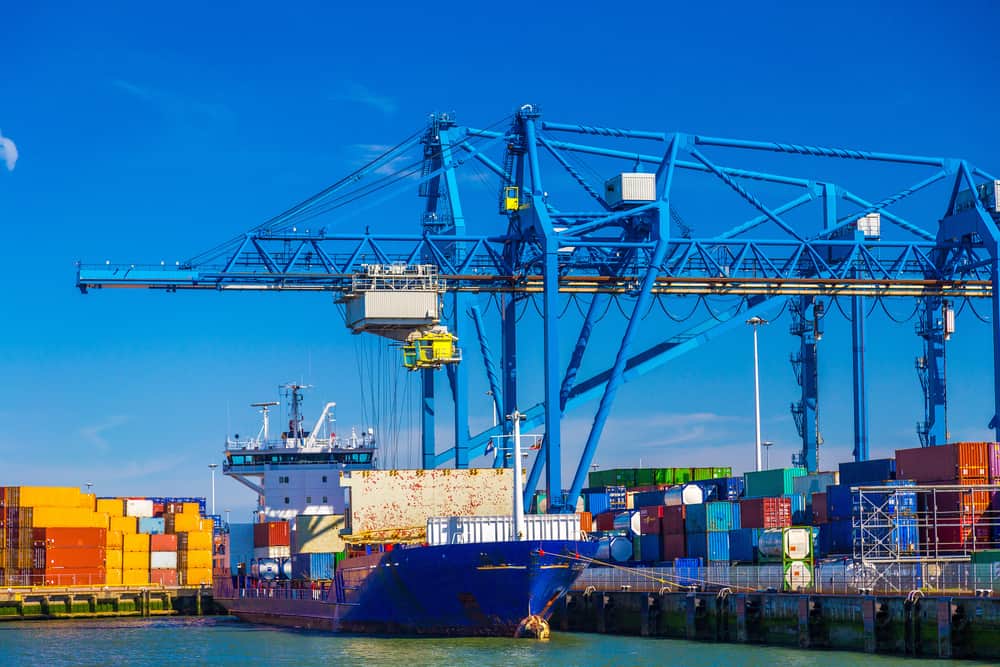
In maritime transport, the slowdown in demand together with the expansion of supply contributed to a decrease in freight rates, primarily in the container segment (after the surges due to the Houthi attacks), with a higher drop in import prices (-26%) and a more contained one for exports (-13%). However, the increase in the cost of auxiliary services and the reduction in average loads per container, the report notes, led to a less pronounced decline in overall costs in euros per tonne.
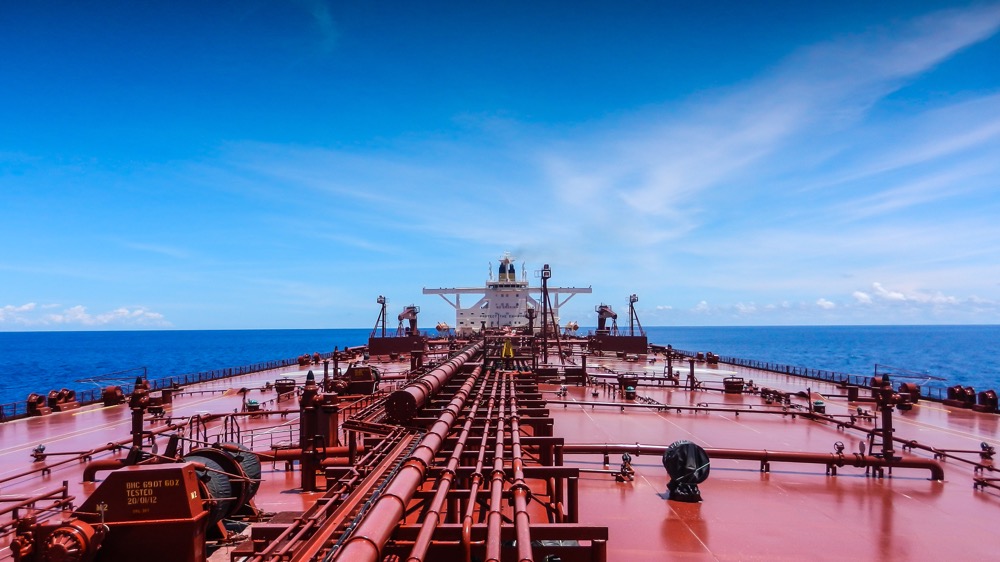
Also for bulk (liquid and solid), the report indicates a significant decrease, in /tonne, for crude oil and a modest increase for chemical products. For solid bulk, thanks to sluggish demand and abundant hold supply, transport costs also recorded a decline. A slight reduction was recorded, in costs in euros per tonne, including auxiliary services, also for maritime transport of general cargo. Finally, bucking the trend is ro-ro transport, where increases due to decarbonisation (read ETS) led to a growth in average costs, which have a greater impact on short-range segments served by smaller vessels. The analysis highlighted in detail a weighted average increase of 27.8% (including the costs of auxiliary services), with peaks of +68% on routes to and from Northern Europe, 36% towards France and 28% towards North Africa (with the exception of Tunisia).
Moving on to road transport, the survey found costs per tonne increasing by an average of 10%, with levels returning to those of 2022. The upward push came from the increase in operating costs, mainly due to the growth in driver wages. The increase, the analysis notes, affected all geographical areas. Net of auxiliary services, freight rates recorded an average increase of over 6% for full loads and 11% for partial loads (groupage).
Moving on to rail transport, the survey then highlighted how average costs per tonne, net of road haulage, remained overall stable. Going into detail, the analysis notes that container costs grew moderately while bulk transport costs fell. In 2025, Bankitalia reports, volumes and freight rates for trade with China also fell due to the concurrent reduction in maritime ones, whose sharp increase in 2024 had induced a partial modal shift to rail. In real terms, overall average costs remained substantially stable for exports and slightly increased for imports.
Lastly, the study considered the average costs of air freight, noting declines in imports and exports, in relation to a drop in operating costs. In real terms, air freight rates continued their downward phase for exports, approaching low levels in historical comparison, while for imports they began to fall again, albeit at a slower pace than in the three-year period 2021-23.