Experts outlined Brazil-driven shuttle tanker fleet renewal, new DP thruster solutions and fuel choices, while warning that crew competence remained the critical constraint during a webinar
Brazil’s pre-salt expansion and a wave of energy-efficiency technology framed a Riviera webinar, Next-generation shuttle tankers: fleet renewal and technological innovations, where speakers from OSM Thome, Brunvoll and DNV set out how designs, operating models and crew requirements are changing shuttle tanker design. The webinar was sponsored by Brunvoll.
OSM Thome shuttle tanker specialist Felipe Figueiredo said the company manages around 10–15% of the global shuttle tanker fleet and traced its experience back to Rasmussen Maritime Service, operator of the first shuttle tankers Polytrader and Poly Traveller.
He showed how pre-salt developments had transformed Brazil’s offshore map over the past decade and are driving demand for new tonnage.
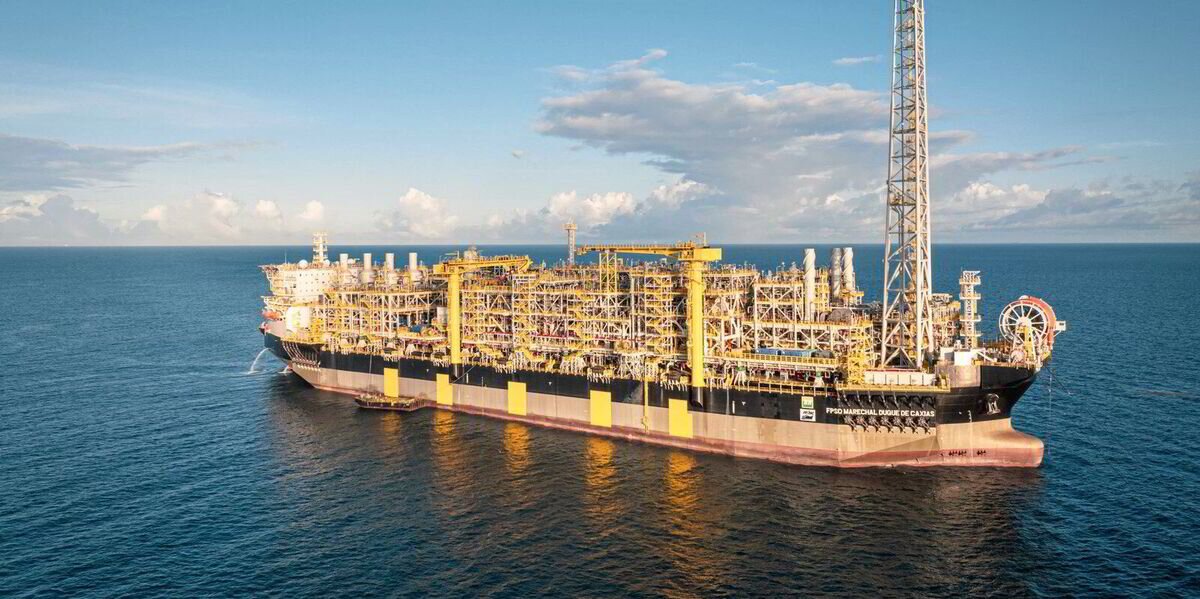
Transpetro’s order for nine Suezmax shuttle tankers for delivery in 2027–28 illustrated the shift from Aframaxes to larger units with enhanced station-keeping, fifth-generation bow loading systems, alternative-fuel readiness and shore-power capability.
“Brazil is a hot spot for the oil and gas sector, and consequently the shuttle tanker business,” he said.
From a machinery and docking perspective, Brunvoll business development & marketing manager Sivert Olsvik Saether focused on retractable azimuth thrusters. He noted the latest design allows full maintenance of the underwater unit on normal dock blocks or afloat, avoiding the need to lower the thruster.
In a case study for a Brazilian Suezmax, Mr Saether said enabling five- and 10-year work in Brazil instead of Europe could avoid a 6,100-nautical-mile round voyage, 21 days off-hire and about 740 tonnes of fuel per docking, with lifetime savings estimated at about US$3.7M against a US$350,000 capital cost.