/Reuters Agency
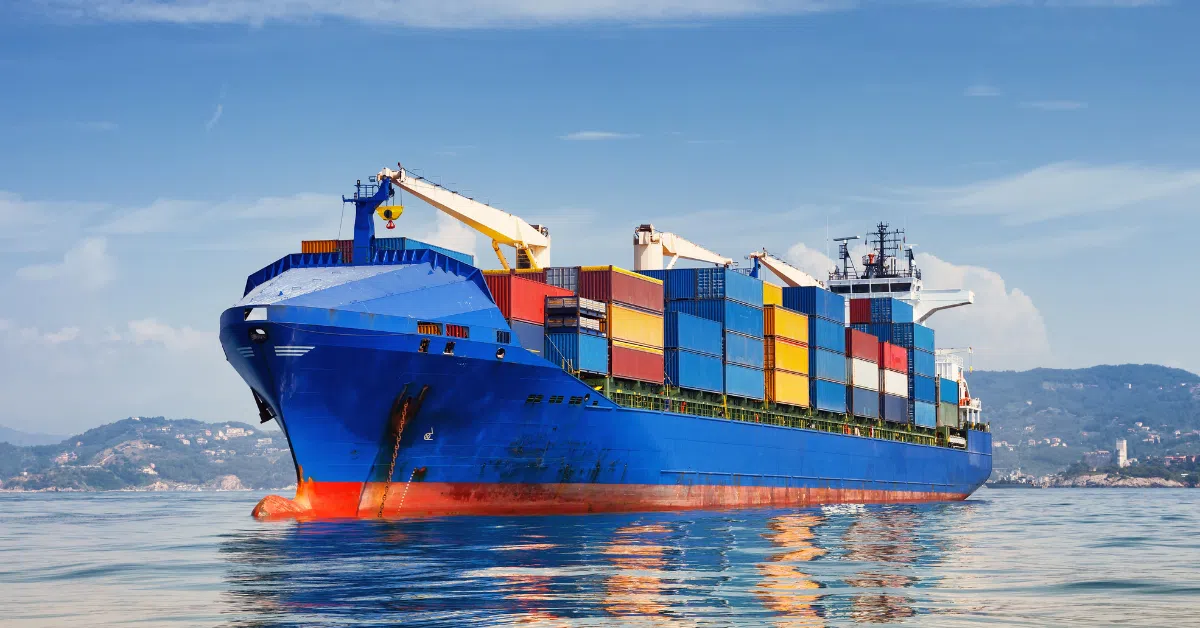
A Chinese container ship has completed a pioneering voyage through the Arctic to a UK port, according to the state news agency Xinhua, halving the usual transit time for the electric vehicles and solar panels on board destined for Europe.
The inaugural voyage of the Istanbul Bridge, originally expected to last 18 days, was delayed by two days due to a storm off the coast of Norway, but the ship still arrived in Europe sooner than the 40 to 50 days it usually takes for freighters transiting the Suez Canal or rounding the Cape of Good Hope.
The new Northern Sea Route, which runs entirely through Arctic waters within Russia’s exclusive economic zone, can now be navigated by ships due to global warming.
China is exploring faster sea routes to the European Union – the world’s third largest economy – while going through a costly trade war with the United States, the world’s largest consumer market.
This push reflects Beijing’s need to diversify its export markets to sustain the growth of an economy heavily dependent on selling manufactured goods abroad.
According to Chinese customs data, exports to Europe increased 14% year-on-year in September, while shipments to the United States fell 27% in the same period.
Over the past four decades, the Arctic has warmed roughly four times faster than the global average, leading to a drastic reduction in sea ice and opening seasonal windows for commercial navigation. However, weather and sailing conditions along the Arctic passage can be unpredictable.
Carrying around 4,000 containers from the Chinese port of Zhoushan, the Istanbul Bridge docked on Monday, October 13 at Felixstowe, the UK’s largest container port. It is scheduled to make stops in Germany, Poland and the Netherlands, Xinhua reported.
The vessel is operated by the China-controlled shipping company Sea Legend, it added. The company did not immediately respond to a request for comment from Reuters.
In recent years, Beijing has intensified maritime cooperation with Russia in Arctic waters, as China seeks an alternative navigation route to reduce its dependence on the Strait of Malacca in Southeast Asia.