Oil prices were volatile at the start of the week, after rising 7% on Friday, driven by the exchange of attacks between Iran and Israel over the weekend, which fueled fears of a growing conflict in the Middle East and a widespread disruption of oil exports from the region.
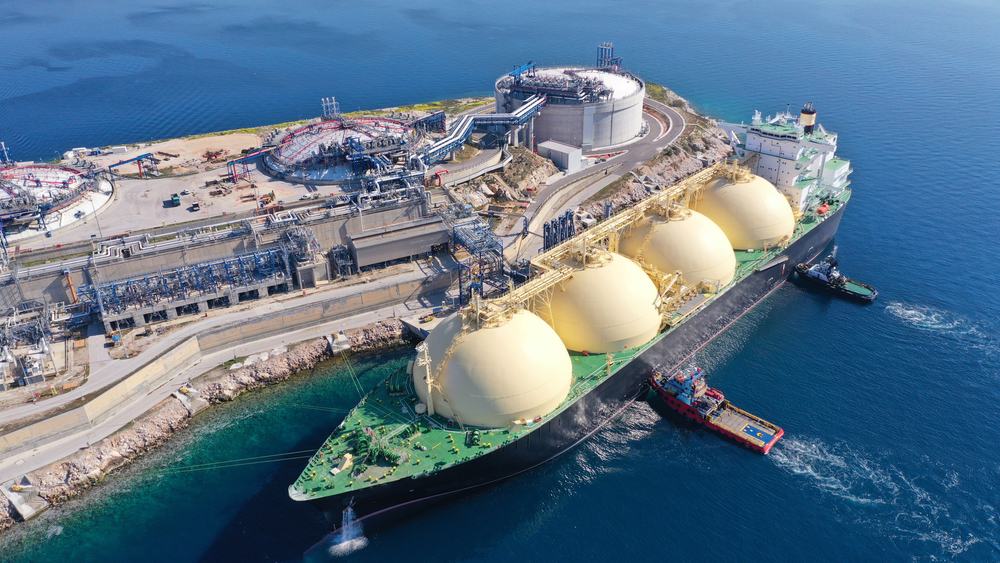
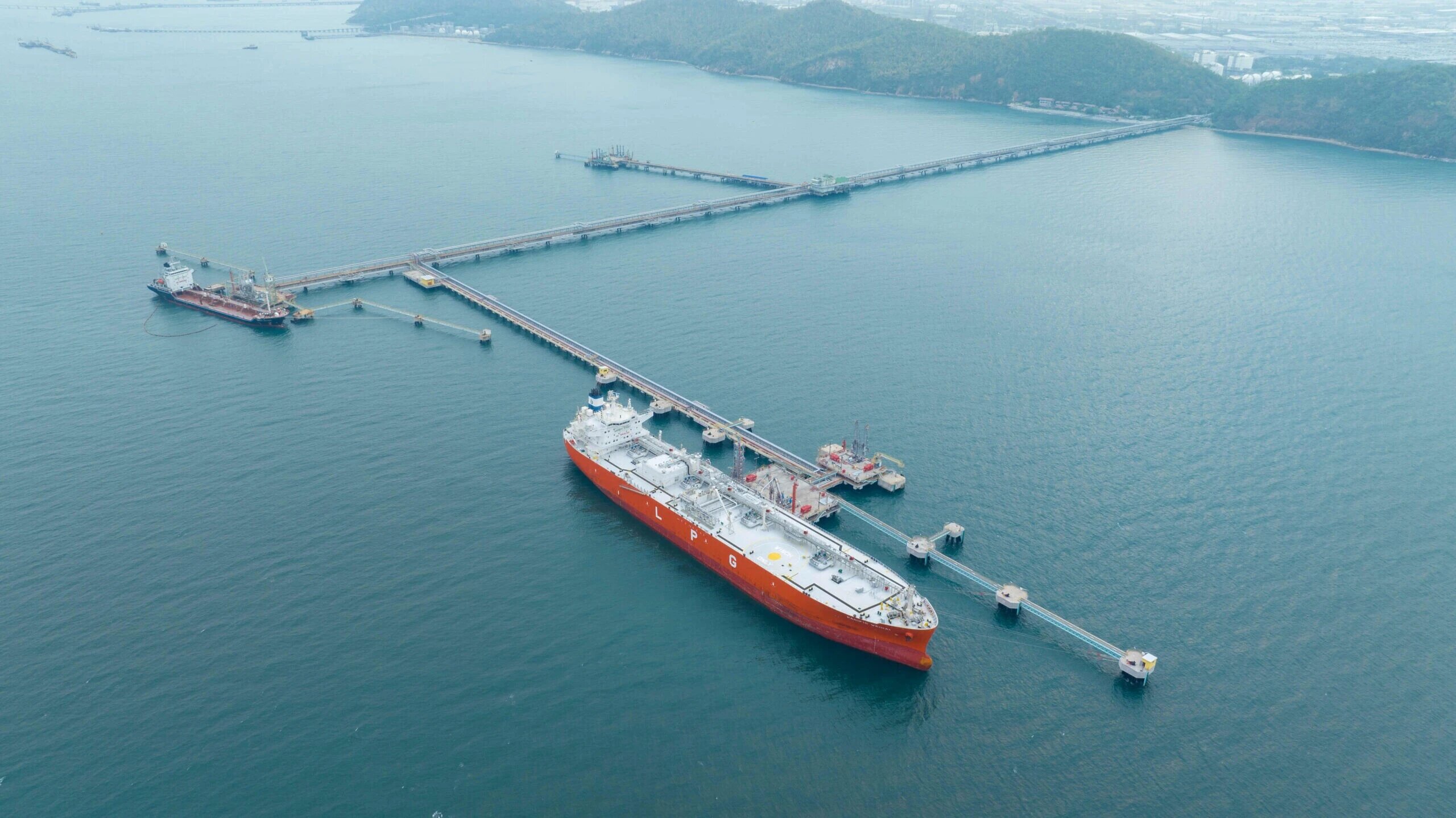
As recalled in its publication Euro News en Español, the Strait of Hormuz, about 50 kilometers wide at its narrowest point, stretches between Iranian territory and the Omani peninsula of Musandam, forming a strategic link between the Persian Gulf and the Gulf of Oman. The oil and gas exports from Gulf countries such as Saudi Arabia, the UAE, Kuwait, Iraq, Qatar, and Bahrain pass through it. According to data from the US Energy Information Administration, about 20 million barrels of oil pass through the strait daily, equivalent to one-fifth of global crude shipments, as well as one-third of global liquefied natural gas exports.
The sea route is a key route for oil exports. OPEC+, a coalition of oil-exporting countries and other producers, had previously agreed to implement cuts in production levels to contain falling prices.
The most worrying scenario today is that Tehran closes the Strait of Hormuz, which would paralyze its exports and those of neighboring countries, in which case other oil producers would have to compensate for the difference. But this leaves little production surplus to deal with additional disruptions, whether caused by wars, natural disasters, or accidents.
Jorge León, head of geopolitical analysis at Rystad and a former OPEC official, warns that “if Iran responds by interrupting the flow of oil through the Strait of Hormuz, attacking oil infrastructure in the region, or attacking US assets, the market could experience a sharp price spike that could push prices up $20 per barrel or more.”
Analysts told Reuters that OPEC+ could face significant difficulties in compensating for any disruption to Iranian supply, especially in light of the alliance’s limited surplus production capacity, which barely matches Iranian production of about 3.3 million barrels per day, of which more than 2 million are destined for export.
Saudi Arabia and the UAE are estimated to be the only two countries capable of rapidly increasing production, equivalent to about 3.5 million barrels per day, a figure that accounts for almost the entire global reserve of additional supply.
According to OPEC analysts, facilities may not be able to recover quickly after years of production cuts and scarce investment in oil fields after the COVID-19 pandemic.
In an analytical note, JP Morgan states that most OPEC members, with the exception of Saudi Arabia, are producing at their maximum capacity. Saudi production is expected to exceed 9.5 million barrels per day in July, which would give the kingdom an additional capacity of 2.5 million barrels per day.
Saudi Arabia has also stopped investing to increase its excess production capacity to more than 12 million barrels per day, channeling resources towards other projects.
The UAE’s maximum production capacity is around 4.85 million barrels per day, while the International Energy Agency estimated its production in April at around 3.3 million barrels per day, with the possibility of increasing this figure by an additional one million barrels. BNP Paribas reports forecasted that UAE production would be between 3.5 and 4 million barrels per day.
As for Russia, the second-largest producer in OPEC+, JP Morgan estimates that it will not be able to increase its production by more than 250,000 barrels per day in the coming months, to reach 9.5 million barrels per day, in light of the international sanctions imposed on it. Despite this potential, analysts such as Aldo Spanjer, from BNP Paribas, are skeptical of the figures, suggesting that the excess capacity is much lower than what is promoted.