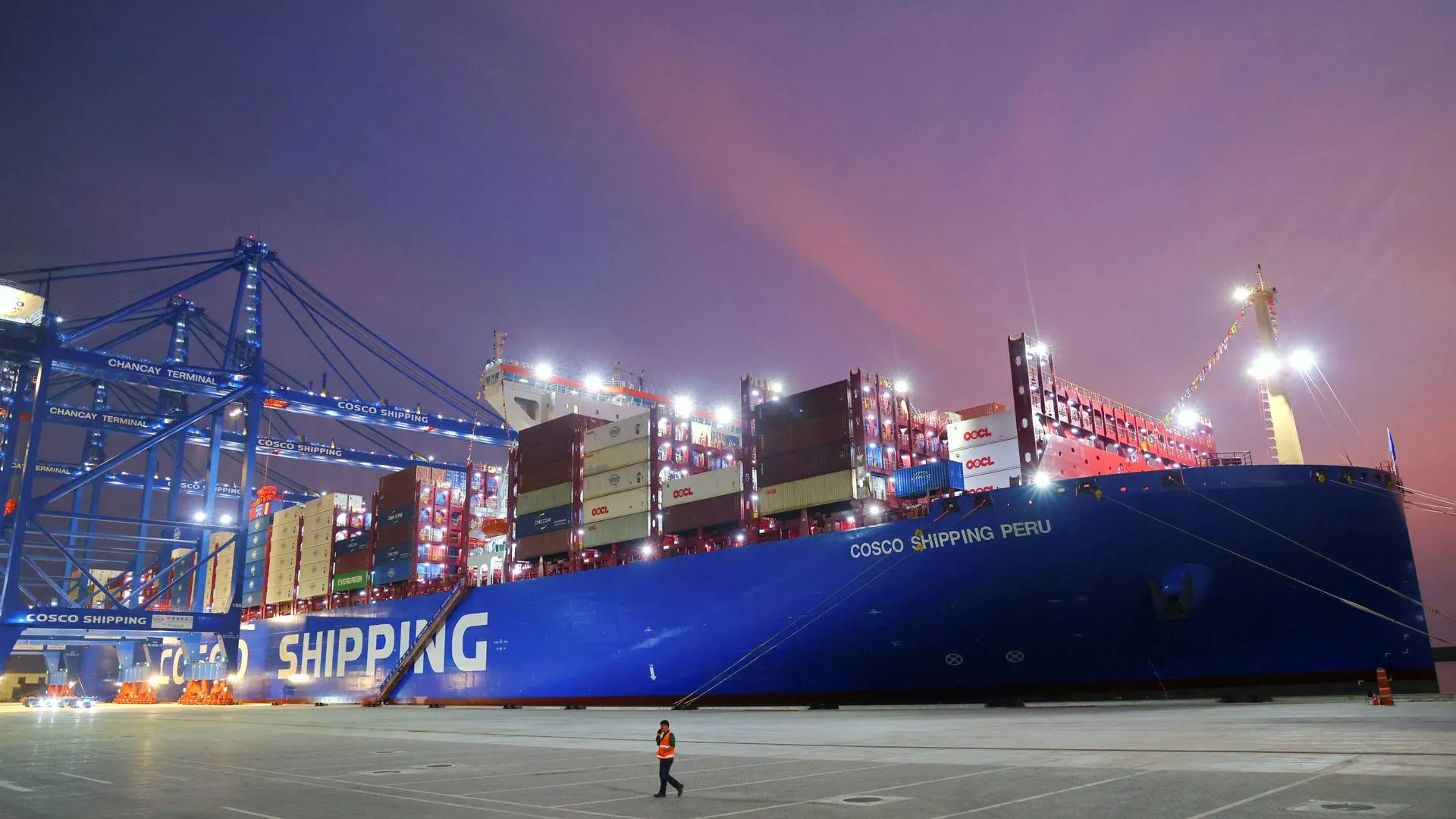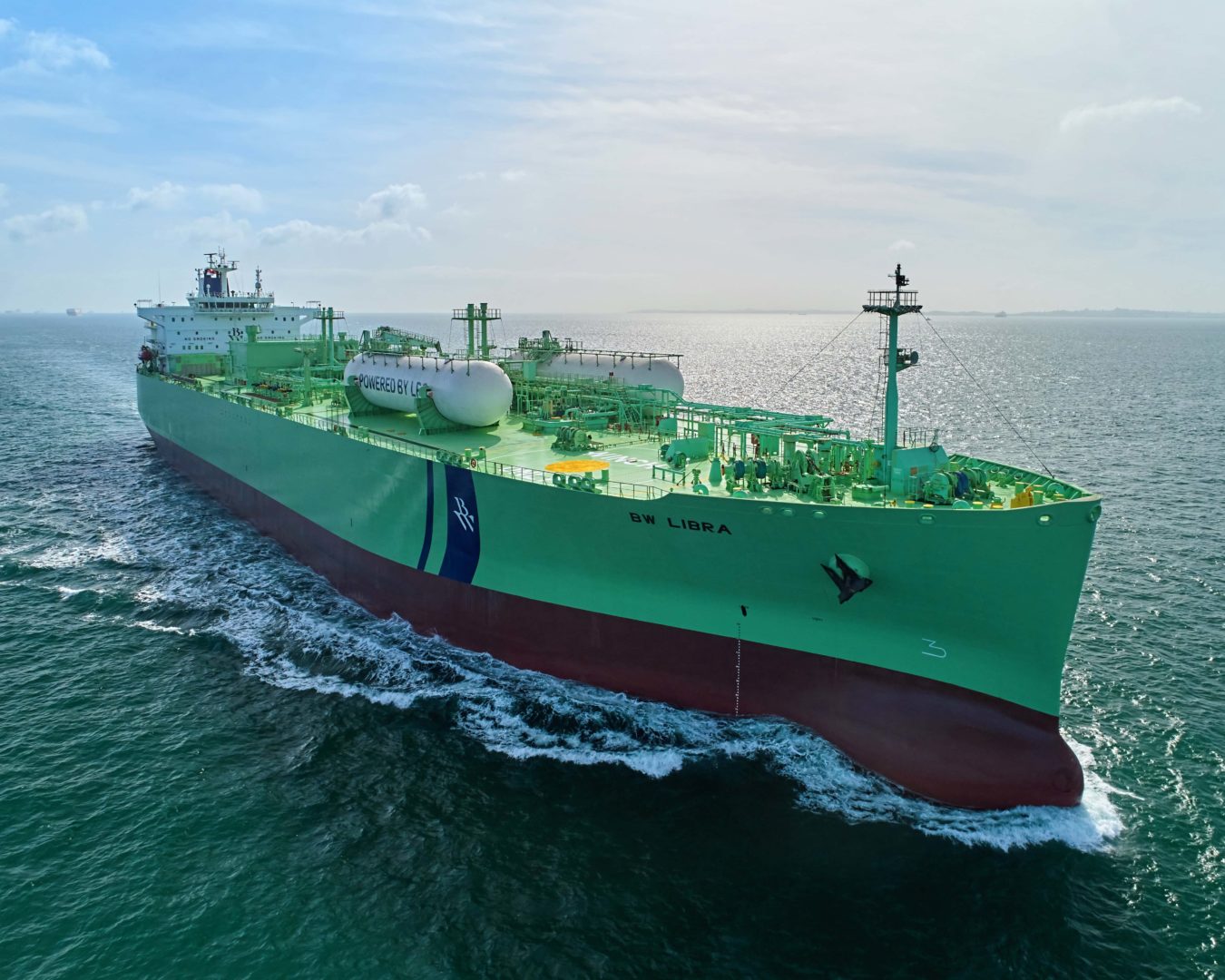
The European Parliament voted today to include emissions from the maritime and commercial vehicle sectors in the EU Emissions Trading System (ETS).
The next phase of implementation will include emissions from ships operating both within the EU, and those that operate outside of European territorial waters. A separate ETS will be launched for commercial vehicles a year earlier than proposed by the EC, on 1 January 2024.
Also from 2024 all emissions from shipping on intra-European routes and 50% of emissions from extra-EU routes will be subject to the ETS. However, all emissions from all ships calling at EU ports will be covered by the ETS from 2027, with some derogations for some countries.
“MEPs also want GHG emissions other than CO2 to be included, such as methane nitrous oxides. 75% of the revenues generated from auctioning maritime allowances shall be put into an Ocean Fund to support the transition to an energy efficient and climate resilient EU maritime sector,” said an EP statement.
The news, although expected, will be a blow to the maritime industry which has argued that regional regulation of an international industry would create confusion, with the industry claiming that it preferred to have a global solution. However, the International Maritime Organization, a UN body comprised of around 190 member states, which regulates shipping, has so far failed to agree on a carbon levy.
According to the EP: “The ETS will generate revenues to be used to support the green transition through support to technologies that contribute to energy and resource savings and pollution reductions.” All revenues from the ETS will be spent on climate action or in upskilling and re-skilling workers potentially affected by the green transition.
The International Road Transport Union (IRU) responded with dismay to today’s vote: “We are shocked to see that, despite the industry’s constructive approach, ENVI’s impractical and hostile proposal on ETS II ultimately persuaded the European Parliament to go against the commercial road transport sector,” said IRU’s EU advocacy director Raluca Marian.
“The road transport sector is concerned about the very real risk of an increased cost base, without any return and without any realistic chance to shift to zero-emission vehicles any time soon,” she added.
The IRU preference was for a more gradual introduction of the ETS to allow for the roll-out of technology to meet the demand for cleaner fuels.
However, green lobbyists were jubilant. “This marks a historic day for European climate policy. Expanding the EU’s flagship cap and trade scheme ensures that more of Europe’s polluters are made to pay,” said Sofie Defour, climate manager at Transport & Environment (T&E).
MEP’s voted for a road ETS, with a carbon price that will be equally split between oil companies and consumers. A T&E statement said: “Fuel suppliers will be prohibited from passing on more than half of the costs to end-consumers.”
According to T&E, the new ETS will mean the 10-year fight to apply the ‘polluter pays’ principle has paid off.