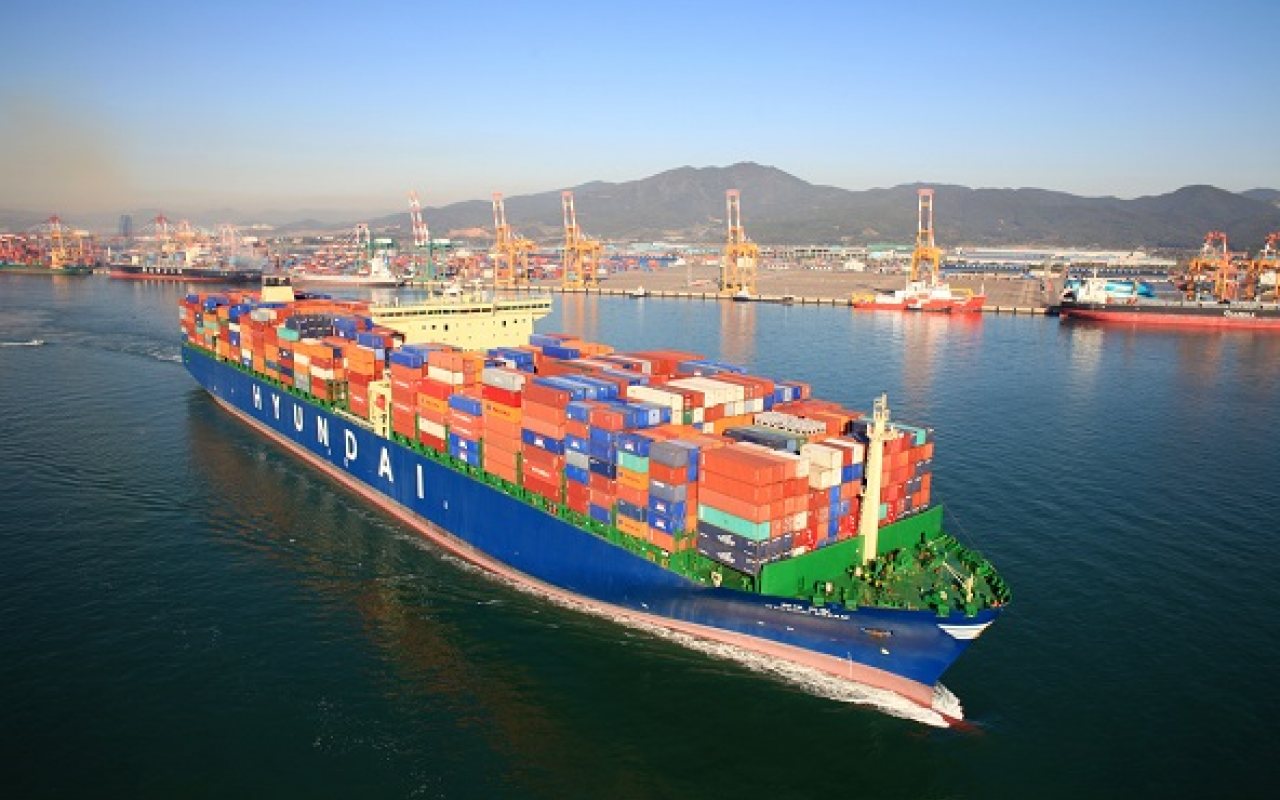
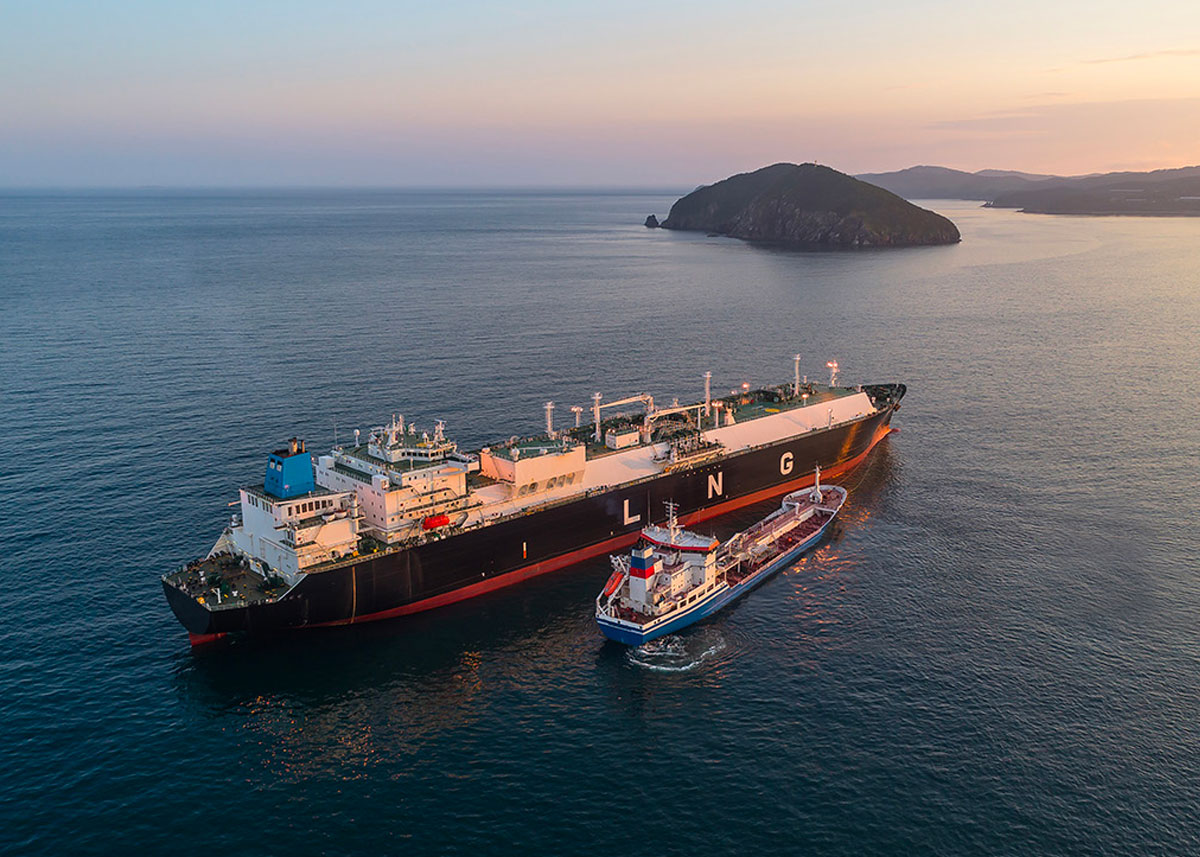
The International Maritime Organization has begun a large-scale evacuation of over 11,000 seafarers still stranded in the Persian Gulf following a peace agreement between the United States and Iran.
IMO Secretary-General Arsenio Dominguez announced the plan on Tuesday, stating that the operation will be carried out in cooperation with Iran, Oman, other coastal states, the United States, and the shipping industry.
“After months of hardship for tens of thousands of innocent seafarers and negative impacts globally, it is with great relief that I welcome the peace agreement between the United States and Iran, marking a decisive step towards restoring maritime security and ending unacceptable attacks on civilian shipping,” Dominguez said.
The Secretary-General also expressed condolences for the 14 seafarers who lost their lives in the conflict.
“We will begin implementing the evacuation plan to help the 11,000 seafarers still stranded in the region,” he said. “This large-scale operation will be carried out in close cooperation with Iran, Oman, all other coastal states in the region, the United States, and the shipping industry.”
This announcement moves into the implementation phase a plan initiated by the IMO in March, when thousands of vessels and tens of thousands of crew members were trapped in the Gulf due to attacks on commercial ships, mine threats, and the effective blockade of the Strait of Hormuz.
At its peak, the IMO estimated that approximately 20,000 crew members were stranded on about 3,200 vessels, unable to safely leave the region.
Oman has offered a temporary maritime corridor for the IMO-led evacuation. Muscat, in announcing the corridor, stated it is working with the IMO to provide a temporary transit route for vessels through the Strait of Hormuz, emphasizing that navigation through this waterway should be exempt from transit fees. This statement came as shipping industry groups continued to seek clarity on future arrangements for managing navigation in the Strait of Hormuz, following a memorandum of understanding signed between the United States and Iran last week.
The evacuation framework that has emerged provides one of the clearest pictures yet of how the shipping industry will operate during the transition period.
A navigational warning issued by Oman’s National Hydrographic Office stated that the IMO, in coordination with Omani authorities, has developed a “phased implementation” plan for vessel departures, with an orderly evacuation through designated vessel groups. The warning noted that this measure aims to achieve a “gradual and controlled evacuation of vessel traffic” due to the heightened security risks in the Strait.
Perhaps most significantly, the document stated: “Current reports indicate that the TSS is not yet safe for use.”
Instead, vessels leaving the Gulf can use two temporary routes through the Strait of Hormuz—one south of the existing Traffic Separation Scheme and another to its north.
The southern corridor passes through waters coordinated by Oman and the IMO, while a separate northern route has emerged as Iran becomes increasingly active in managing traffic through the Strait.
Ships will be contacted individually, informed of their departure schedule, and directed to designated waiting areas in international waters pending final transit instructions from the relevant coastal states. The warning also requires vessels to keep their AIS signals active and comply with instructions issued by coastal authorities via VHF.
These procedures reflect ongoing security concerns in the Strait area, even after the signing of the Islamabad Memorandum of Understanding between the United States and Iran last week.
Dominguez stated that the IMO has “obtained the necessary security assurances” and “fully verified the conditions for safe navigation” to support the evacuation effort.
However, the organization’s own guidance documents make clear that risks persist. Mine threats continue to influence traffic management decisions. Under the US-Iran memorandum, Iran bears primary responsibility for mine clearance operations, although shipping groups say no mine clearance operations have officially begun yet.
The Omani navigational warning also notes that vessel traffic may be temporarily suspended for safety or security reasons, including to avoid conflict with naval forces operating in the area.
Additionally, the United Kingdom Maritime Trade Operations (UKMTO) confirmed it is supporting the evacuation efforts coordinated by the IMO.
The evacuation plan is being implemented while broader governance issues concerning the Strait remain under discussion.
On Tuesday, Iran and Oman announced they would establish a joint working group to negotiate future navigation management arrangements for the Strait of Hormuz, including maritime services and related fees.
Meanwhile, the US Central Command emphasized that freedom of navigation remains assured and that US forces will continue to operate in the region to support safe passage.
This outcome marks the beginning of a significant transition period: commercial shipping is resuming, but via temporary routes, phased evacuations, and a governance framework still being refined to address how one of the world’s most strategically important waterways will operate in the future.
For now, the IMO’s priority is helping the thousands of crew members trapped in the conflict zone for nearly four months return home safely.
The International Chamber of Shipping stated: “We have consistently emphasized that this requires coordination between the IMO, regional states, and crucially, the shipping industry. The IMO’s evacuation plan is a positive development to drive this coordination and restore freedom of navigation. It is vital that this plan complements existing mechanisms, rather than conflicting with them.”
Compiled and edited by Shipping Online
Disclaimer: This article is reproduced for the purpose of conveying more information. If there are any errors in the source attribution or infringement of your legitimate rights and interests, please contact us with proof of ownership, and we will correct or delete it promptly. Thank you.