According to the latest analysis by the shipbroking firm Xclusiv Shipbrokers, Greece further strengthened its position in the global order book, with “Greeks” currently constructing a total of 644 ships (634 in August and 625 in July), which, according to the plans of shipping companies, will be delivered during the three-year period 2025 – 2028.
Compared to last month, the “blue-white” orderbook was strengthened by 10 ships, reflecting the trend of strengthening market shares, while deliveries of newbuild units to Greek hands are continuous.
Containerships
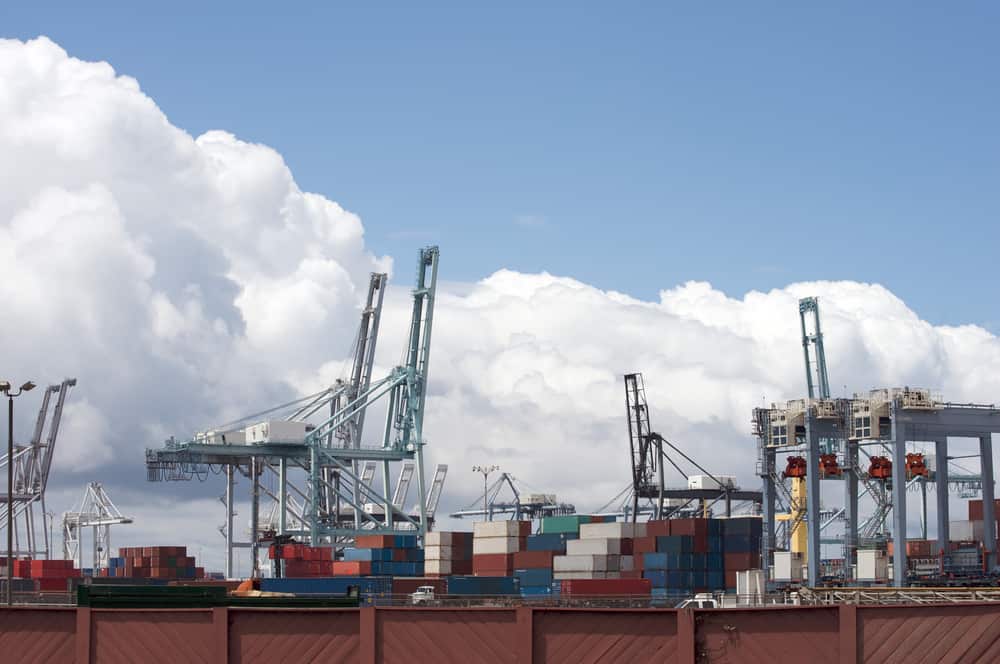
The most impressive increase for yet another month concerns containerships, with Greek shipowners maintaining 97 orders (11 more), a number corresponding to 9% of the global orderbook. The emphasis is on neo-panamax (50%), followed by feeders (34%), confirming the increased interest of recent months.
Overall, the total containership fleet numbers 6,990 ships, with an average age of 13.9 years, while the “frenzy” of orders -as analysts call it-, although weakened compared to 2024, records a new recovery with 1,052 ships under construction (up from 972 in August).
Despite market warnings about an oversupply of capacity, the Greek strategy is guided by economies of scale and the need to renew the fleet with units that comply with EEXI and CII regulations. The increase compared to August proves that Greek shipowners are not afraid to position themselves in the sector, investing in cutting-edge technology.
Indicative are the investments of Navios Maritime and Danaos, which just a few days ago proceeded with newbuild orders to expand their fleets.
In particular, Navios, headed by Angeliki Frangou, secured an order for the construction of four 8,850 TEU containerships at the South Korean shipyard HJ Shipbuilding. At the same time, Danaos, of the interests of Dr. Ioannis Koustas, placed an order for two containerships, with a capacity of 7,165 TEUs each, at the Chinese shipyard Dalian Shanhaiguan.
Tankers
Steadily rising are also Greek investments in tankers, where “Greeks” now hold 295 orders, representing approximately 24% of the global orderbook (288 in August). Investments are concentrated in Suezmax (86 ships) and LR2 (68 ships), with a strong parallel presence in MR2 product tankers (52 ships). This strategy enhances the flexibility of the Greek fleet, as it covers the entire spectrum of demand from crude oil to refined products.
The increase in the Greek orderbook for tankers reflects confidence in the medium-term prospects of the market, although freight rates show fluctuations. Internationally, the tanker orderbook has increased to 15.2% of the fleet, up from 12.9% last year.
At the same time, the total number of the global order book amounts to 1,221 ships, significantly increased compared to the 909 ships last month.
However, based on the data and despite the intense activity, the average age of the global fleet remains high, at 13.8 years, an element that underscores the need for further renewal investments.
Bulk carriers
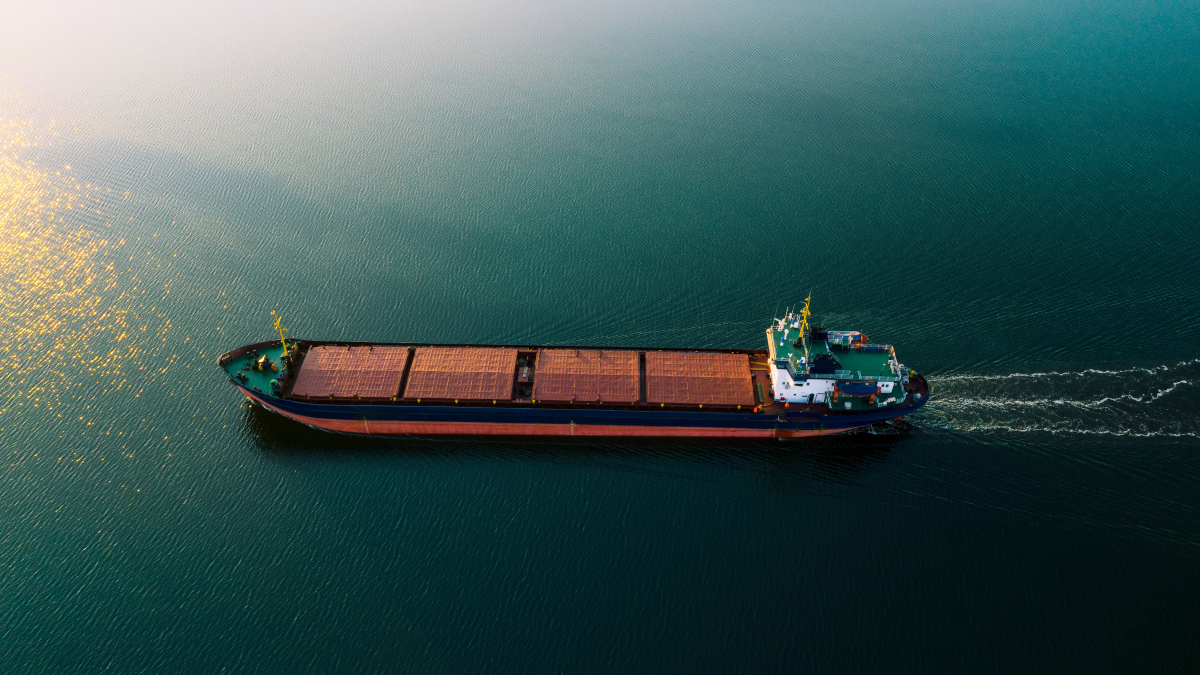
Regarding the bulk carrier sector, a traditional “stronghold” of Greek shipowners, the “Greeks” have 158 vessels on order, a percentage that corresponds to approximately 12% of the global orderbook (162 vessels in August).
It is noted that the “abstention”, with zero orders since the beginning of the year, continues for another month, something that -according to analysts- is partly attributed to a strategic waiting stance, with many turning to the second-hand bulker market for opportunities.
Greece continues to have a steady presence in sizes such as Kamsarmax and Ultramax, while globally the bulker orderbook corresponds to 10.7% of the fleet, an element that prevents the emergence of oversupply.
Greece leads in LNG & LPG carriers
Finally, in gas carriers Greece continues to play a leading role, combining a fleet renewal strategy with a long-term perspective.
In LNG carriers, our country has 50 orders, a percentage that corresponds to approximately 15% of the global orderbook and an emphasis on the 141k-200k CBM capacity. This presence keeps the Greeks among the strongest players in the LNG market. At the same time, in LPG (Liquefied Petroleum Gas) the Greek orderbook counts 44 orders, mainly in VLGCs, showing interest in diversification in sectors linked to the energy transition. In fact, these numbers (as of September) place Greece in second place globally, behind only Japan in LNG carriers and Norway in LPG carriers.