Recently, a South Korean LNG carrier has been sold for scrapping, bringing the total number of LNG vessels dismantled in the first seven months of 2025 to eight—matching the full-year scrapping volume of 2024.
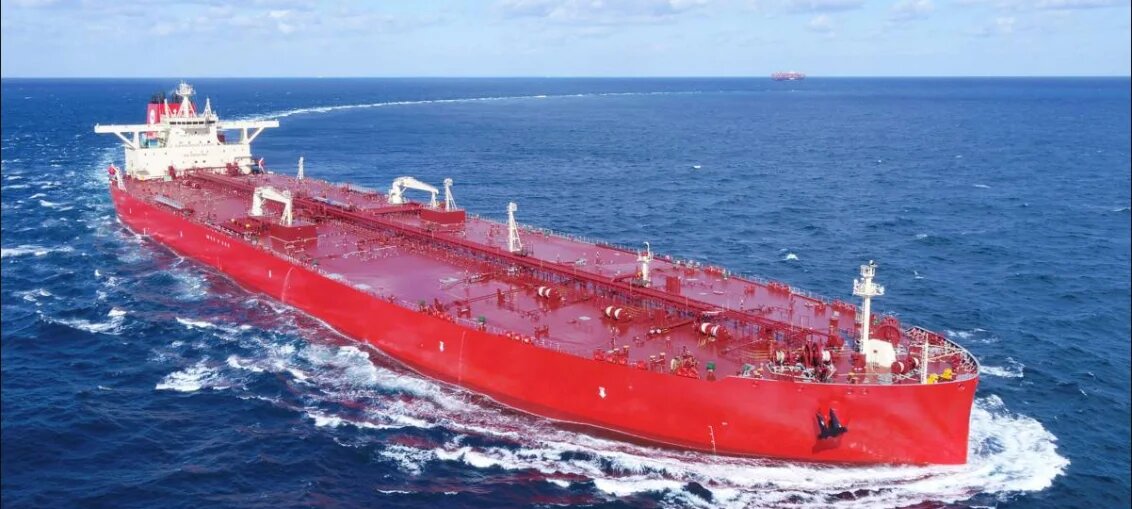
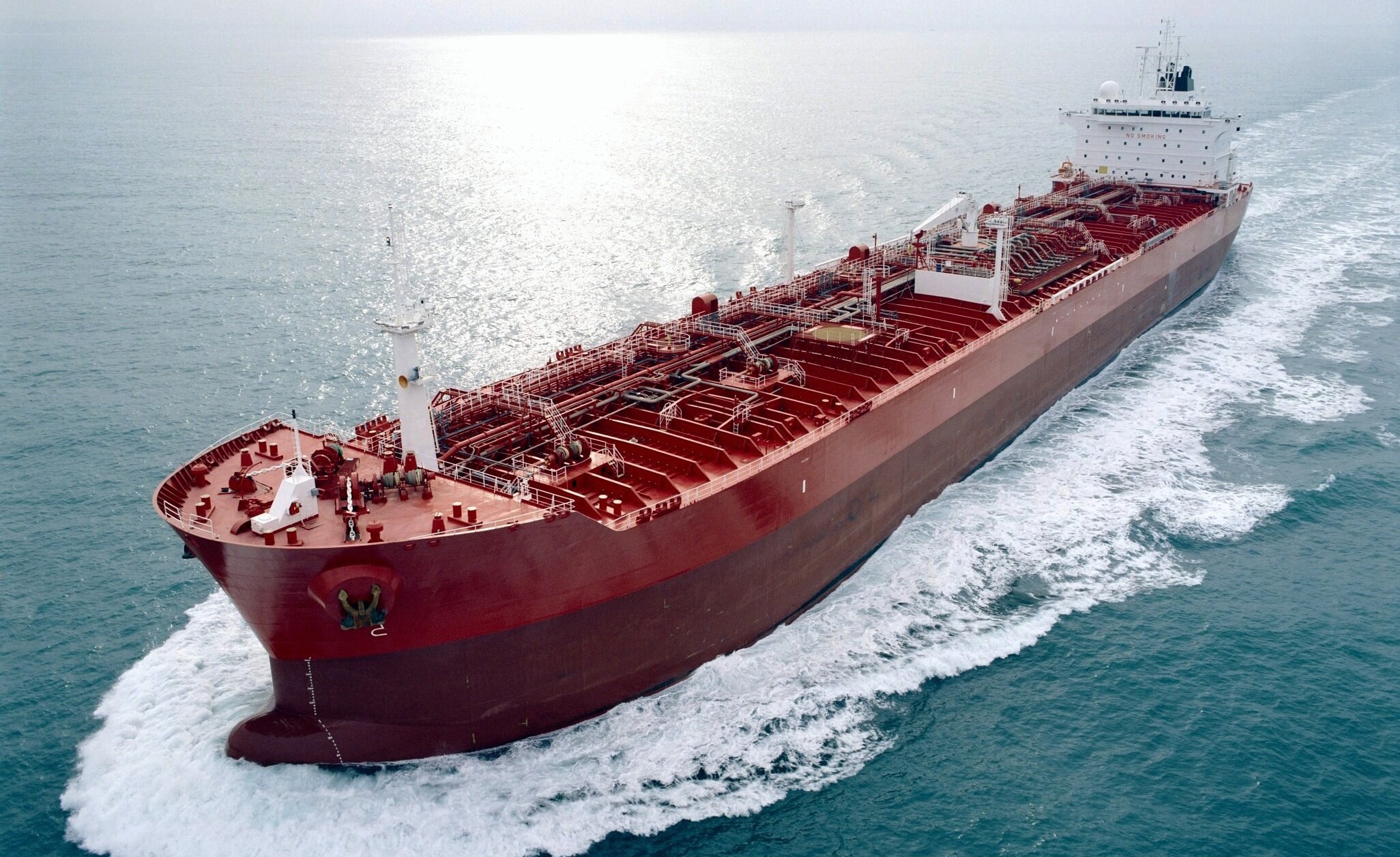
Brokers reported that the 135,000-cubic-meter steam turbine-driven “Hyundai Cosmopia” (built in 2000), owned by Hyundai LNG Shipping, was sold in Indonesia at an “unexpectedly high price” of $580 per lightweight ton (ldt). Based on 34,040 ldt, the vessel was valued at $19.7 million.
The 25-year-old Moss-type LNG carrier reportedly contains approximately 3,000 tons of aluminum. However, brokers noted that the sale price exceeded those of similar vessels from the same owner, calling it a “windfall”—especially given that the market has declined since previous transactions were completed.
Hyundai LNG Shipping sought scrapping bids for the “Hyundai Cosmopia” last week. The company has already sold three other steam turbine LNG carriers for demolition this year: the 125,000-cubic-meter “Hyundai Greenpia” (built in 1996) was sold for around $19.3 million early in the year, while the 135,000-cubic-meter “Hyundai Aquapia” (built in 2000) and “Hyundai Technopia” (built in 1999) were each sold for approximately $19.2 million in May.
South Korean shipowners are actively phasing out older steam-powered LNG vessels. Of the eight LNG carriers scrapped in 2025 so far, six were owned by South Korean firms. The country’s LNG fleet still includes other steam-powered ships, suggesting more scrapping deals may follow.
Brokers also reported this week that another South Korean LNG carrier previously rumored for scrapping was resold: the 135,566-cubic-meter “HL Ras Laffan” (built in 2000) was sold at $497 per ldt, higher than the previously agreed $490. The vessel, now renamed “Risa,” has arrived in Bangladesh.
Despite expectations that 2025 could set a record for LNG carrier scrapping, market participants are surprised that more deals have not materialized. Steam-powered LNG vessels are increasingly marginalized in the charter market due to their design, inefficiency, and tightening emissions regulations. However, many of the world’s oldest 200 LNG carriers—once long-term charters expire—appear to be kept idle or held for potential conversions rather than being scrapped.
Brokers estimate that up to 20 LNG carriers could be dismantled in 2025, while a record 90 newbuilds may be delivered.