Lloyd’s Register (LR) has released its latest assessment of liquefied natural gas as a marine fuel, showing the dual-fuel LNG fleet has reached 1,665 vessels as of March 2026, with an additional 982 on order.
According to the classification society’s ‘Fuel for thought: LNG’ report, the fuel continues to dominate the alternative fuel orderbook despite recent uncertainty affecting investment in alternative fuels more broadly.
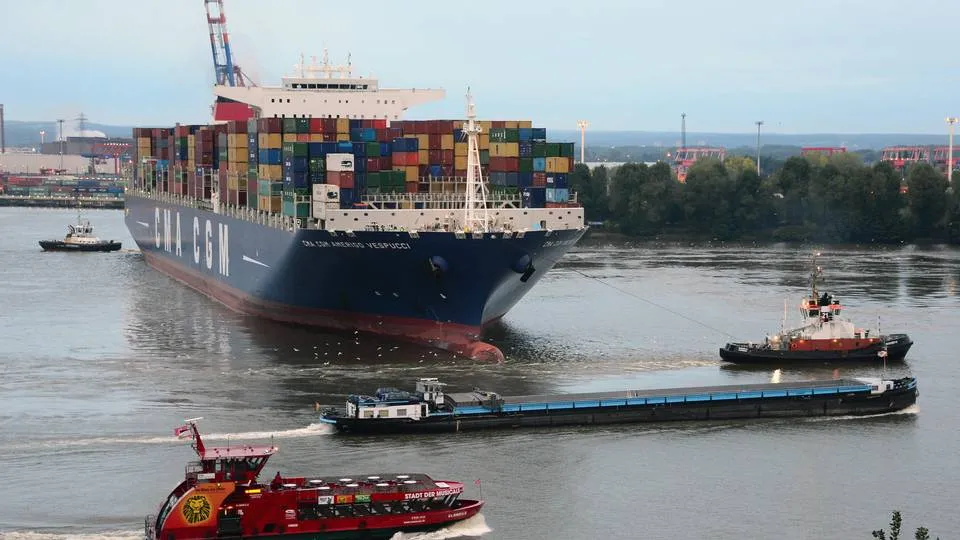
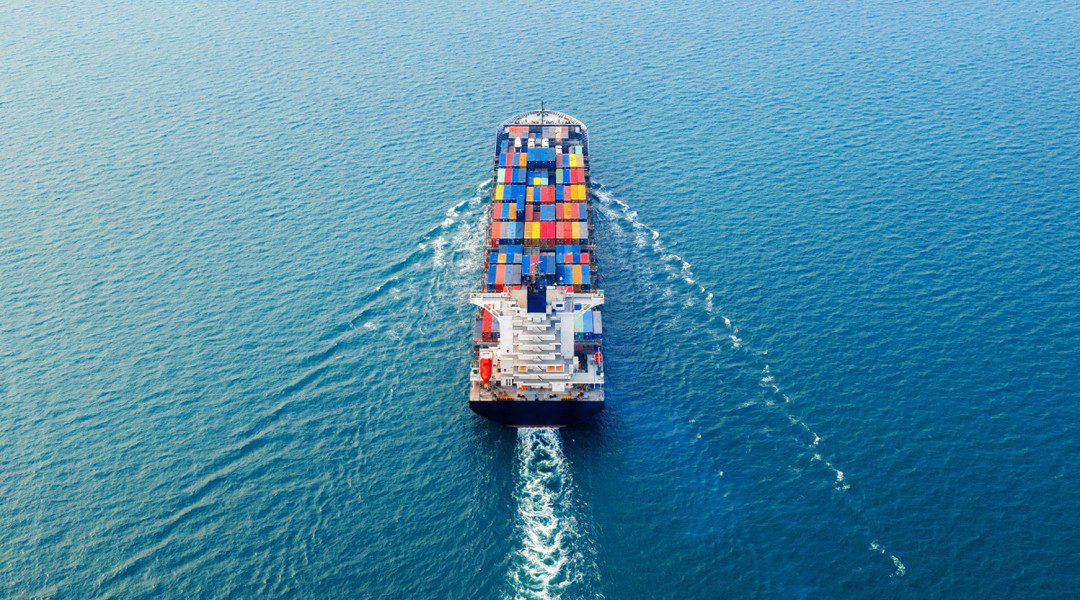
The container sector is driving much of the growth, with its LNG-capable fleet on course to more than double, while cruise, tanker and pure car /roll-off operators are also increasing their uptake.
LR’s economic modelling indicates that LNG remains the most cost-effective alternative fuel pathway to 2050 under any proposed regulatory framework to date. The report suggests that blending LNG with bio-LNG and e-LNG could strengthen this advantage, allowing LNG-fuelled vessels to generate compliance surpluses in the early years of new regulatory regimes.
The report highlights progress in reducing methane slip — a key criticism of LNG as a marine fuel. High-pressure two-stroke engines are now achieving methane slip as low as 0.2 g/kWh, while low-pressure engines fitted with exhaust gas recirculation are delivering reductions of more than 60%.
However, these improvements are not yet reflected in the emissions factors under either FuelEU Maritime or the International Maritime Organization’s lifecycle assessment guidelines. The report argues that updating these factors will be necessary to ensure regulation reflects current technology and incentivises emissions reductions.
The report also examines upstream emissions and fuel certification, noting that cleaner LNG production, reduced methane leakage and the growth of independently verified certification schemes are needed for shipowners to realise the full emissions reduction potential of cleaner supply chains.
Constantinos Chaelis, global gas segment director at Lloyd’s Register, said: “LNG represents an immediately deployable, scalable and well-established fuel in transition that aligns with both operational imperatives and emerging regulatory requirements.
“As global bunkering infrastructure continues to expand, renewable gas supply chains mature and emissions control technologies become more widely adopted, LNG is expected to remain a central component of the maritime sector’s transitional energy landscape.”
Panos Mitrou, senior vice president of shipping strategy at Lloyd’s Register, remarked: “The findings in our new report underline that this continued interest in LNG is not solely a bridge to other fuels, but a strategic response to tightening global and regional regulation. We need to intensify our focus on methane emissions, clean LNG variants and improving the LNG value chain GHG footprint.”
The report also includes operational considerations for LNG-fuelled vessels during drydocking, with recommendations for planning, execution and safety.