As reported by Maersk, the company has successfully reached a significant milestone in its extensive refit initiative aimed at cutting fuel consumption, operational costs, and emissions across its fleet of chartered containerships. This strategy is being hailed as a “win-win model,” benefiting both Maersk through enhanced vessel performance and shipowners who gain long-term value from upgraded ships.
So far, over 1,500 projects have been executed in collaboration with time-charter partners across 200 vessels owned by 50 different shipowners. An additional 1,000 projects are currently underway and expected to be completed by 2027. The financial investment for these upgrades is shared between Maersk and the vessel owners.
Ahmed Hassan, Head of Asset Strategy and Strategic Partnerships at Maersk, stated that “Our medium- to long-term chartered fleet constitutes a major part of our operations as well as our total fuel usage.” He emphasized the importance of collaborating with partners to implement solutions that not only cut emissions but also boost the competitiveness of their fleet.
According to Alphaliner data, more than half of Maersk’s current vessels are on charter agreements. Out of a total fleet comprising 736 containers, approximately 392 are chartered.
Many vessels were originally designed for higher speeds than what is standard today; however, advancements have allowed some ships to increase their container capacity significantly.
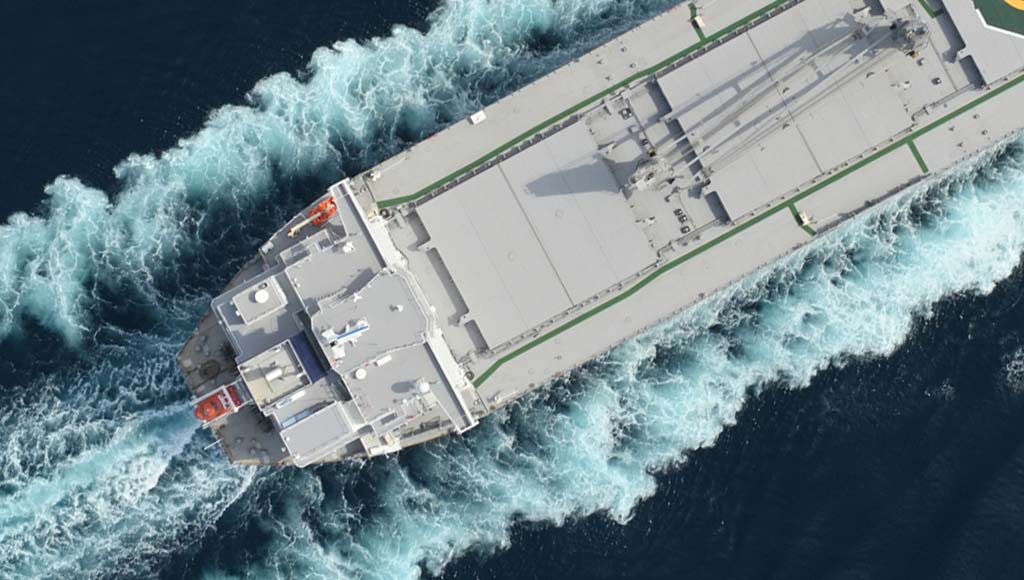
The retrofit initiatives include major modifications such as replacing propellers or bulbous bows from original designs for improved speed efficiency. By integrating an optimally designed bulbous bow into the hull design, water flow can be reshaped to reduce drag while enhancing hydrodynamic performance. Additionally, propeller replacements paired with Pre-Swirl Devices help maximize thrust while minimizing energy loss.
Other enhancements involve installing auxiliary engine waste heat recovery systems that convert excess heat into steam—reducing dependence on traditional fuel-oil-fired boilers—and implementing shaft generator systems that lower auxiliary engine usage.
Cargo capacity improvements are achieved through various structural upgrades like elevating wheelhouses for better visibility and increasing intake capabilities or reinforcing lashing bridges to support deeper drafts alongside advanced loading computer functionalities.
This initiative aligns with Maersk’s broader objective: reducing absolute scope 1 greenhouse gas emissions by 35% by the year 2030 compared to levels recorded in 2022. Last year marked an announcement regarding new vessel construction aimed at replacing older ships within their fleet while also exploring alternative fuels for these new builds.
A notable achievement includes converting one large containership—the *Maersk Halifax*—to dual-fuel methanol capabilities in early 2024; this conversion also resulted in nearly a five percent increase in container capacity. The company has indicated plans to consider similar conversions for sister ships within this class size (15,000 TEU).
In parallel efforts within the industry, Hapag-Lloyd has partnered with Seaspan on a comparable refit program targeting up to sixty Seaspan-owned containerships specifically preparing them for methanol fuel operations while also upgrading propellers across its owned fleet for enhanced operational efficiency.
p>