Topics and trends
Uncertainty remains playing a major role in supply chains across the globe. During the last few weeks many headlines brought up the high level of inventory some retail companies were struggling to deal with it. During this topic of the month, we will bring to you a perspective of what is happening, the bullwhip effect on the supply chain and ways to minimize or surpass some of the uncertainties.
Maersk warehousing and distribution
What’s happening in the market:
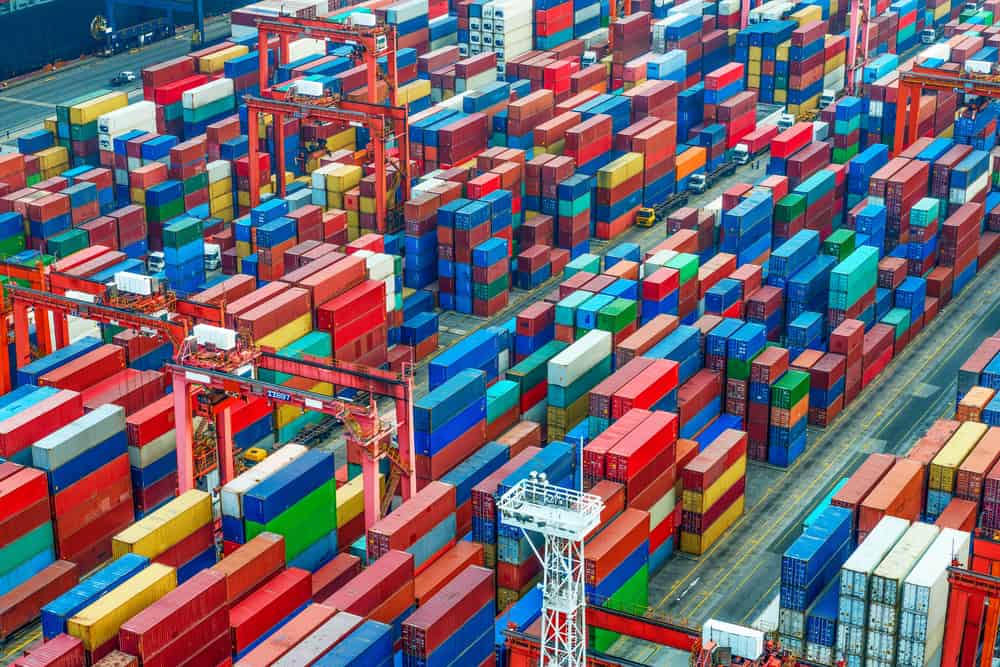
Retailers are overstocked with inventory; reporting an increase of 40% of catalogue compared to what they had last year.
Demand has slowly recovered, specially, for products like groceries, beauty and cosmetics, household essentials and seasonal categories such as summer or back to school. However, shelves and warehouses are packed with typically pandemic goods that retailers need to get rid of. As new products are coming, retailers need to make room for them and therefore they are coming up with strategies to cancel orders, mark down unwanted items and being aggressive to get rid of all the overstock, which has a negative impact in their margins. Big US retailers have already announced that profits will take a short-term hit as they try to keep their inventory levels in line with market demand.

Another cause of high inventory levels comes with the change in customer habits that we are experiencing. As normality is recovered, so does social life and services in detriment of house and home office products. Spending in restaurants and bars raised nearly 20% in March, according to the Commerce Department of USA, hitting a record of $8.6 trillion.
What is the bullwhip effect
These past years the world has seen that adaptability is crucial and the supply chain it is not the exception. Sellers had witnessed demand shifts, inventory blows, changes in shoppers’ habits, all this in a disproportionate manner and making the supply chain a resilient world. That is now called the bullwhip effect and it is more common in the industry, causing big holdups.
Logistics had been trying to keep on answering to the demand disruptions and businesses have faced revenue loss from out-of-stock items and reduced margins from discount on overstocked articles.

This bullwhip comes from the sudden demand spikes and dips. A lot of stakeholders are involved in supply chain which opens opportunities for irregular reactions to demand changes. Inefficiencies, miscommunication, and delays between the multiple stakeholders make these disruptions, leading at the same time to more reactions in trying to get the supply chain stable.
Past port suspensions and factories closing made retailers to advance their purchases to have enough inventory. Some of this inventory still piles up in warehouses. Some alternatives to minimize the bullwhip effect are:
Investigate and learn why the demand shifts happen and their context, try to reduce the complexity in the supply chain seeking for a better communication to enable fluent and nonstop responses.
Understand and improve inventory’s visibility.
Diminish lead times, automation and localization are two key solutions to make inventory flow at warehouses.
These actions won’t eliminate the bullwhip effect but will minimize it. It is impossible to predict a changing in customers’ behavior, and its impact on the market . The motivation is to try to make warehouses more efficient, agile and the most profitable as possible.
In this topsy-turvy supply chain world efficiency is mandatory. If you want to know how Maersk solutions can help your business to surpass this scenario get in touch with us here.
Source: Maersk