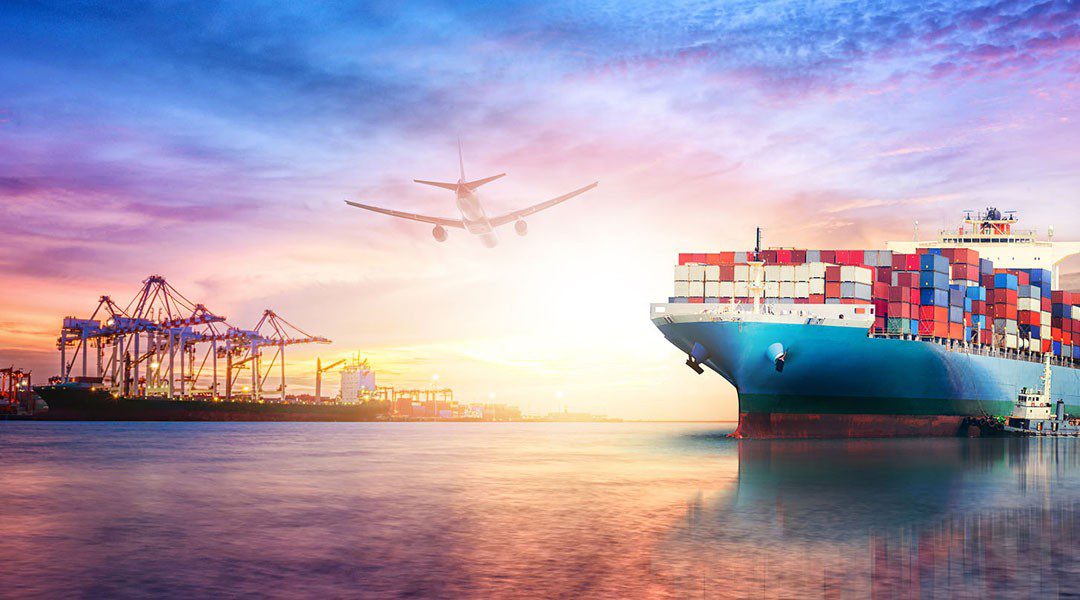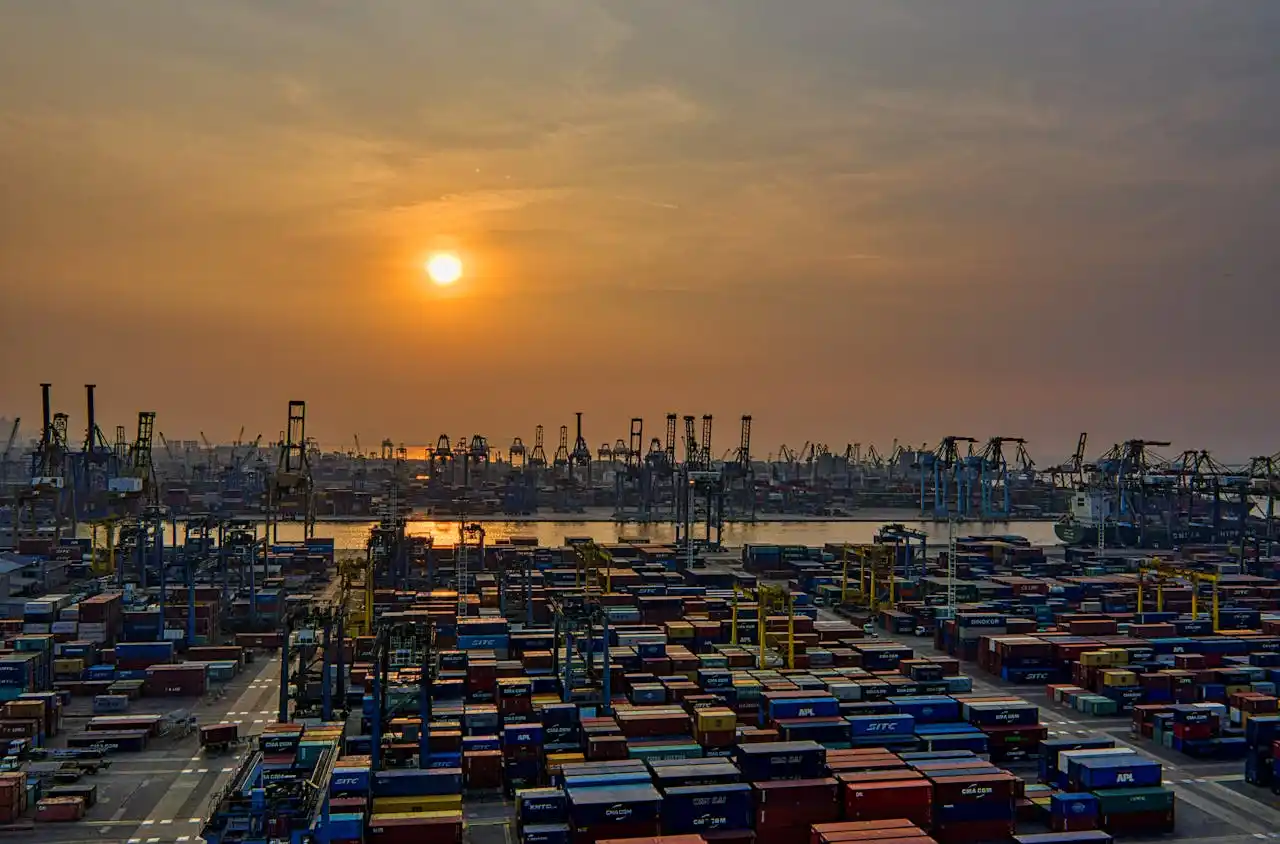
Global trade is increasingly defined by the tension between two competing forces. On one side, multilateralism, championed by BRICS and its partners, calls for fairness, cooperation, and shared governance in economic relations.
On the other hand, protectionism, driven mainly by the USA through tariffs, export controls, and regulatory barriers, is being deployed by advanced economies to defend domestic interests or pursue strategic aims.
For the logistics and supply chain industry, this contest will determine the direction of trade flows, financing, and compliance frameworks in the years ahead.
Since 2024, BRICS has expanded beyond its original five members – Brazil, Russia, India, China, and South Africa – to include Saudi Arabia, the United Arab Emirates, Egypt, Iran, Ethiopia, and Indonesia.
Together, these countries represent around 45% of the world’s population and contribute more than 35% of global GDP.
This expansion matters for three reasons:
Chinese President Xi Jinping used the recent BRICS virtual summit to underline the importance of protecting a rules-based international order.
As reported by CGTN, Xi urged BRICS nations to “uphold multilateralism to defend international fairness and justice; uphold openness and win-win cooperation to safeguard the international economic and trade order; and uphold solidarity and cooperation to foster synergy for common development.”
He also pointed to the Global Governance Initiative (GGI) as a guiding framework based on sovereign equality, rule of law, and cooperative development. In practice, this vision translates into:
Yet, even as BRICS emphasises cooperation, protectionism remains firmly embedded in global trade.
Brazil’s President Luiz Inácio Lula da Silva also captured his frustration. Speaking at the BRICS summit, he warned that “tariff blackmail is being normalized as a tool for conquering markets and interfering in domestic issues” and that BRICS members had become victims of unjustified and illegal trade practices.
His comments highlight the reality: for many emerging economies, protectionism is not an abstract debate but a tangible obstacle to trade and growth.
For logistics and supply chain leaders, this contest has practical consequences:
The recent BRICS summit underlined the widening fault line in global trade. Xi Jinping’s call to “safeguard international fairness and justice” reflects a vision of cooperative multilateralism, while Lula’s warning about “tariff blackmail” captures the costs of protectionist measures.
The outcome is unlikely to be a clean victory for either side. Instead, the future of global trade will be multipolar, shaped by both cooperative frameworks and protectionist barriers.
For logistics and supply chain professionals, the challenge is clear: success will depend on the ability to adapt, comply, and compete across both systems – capturing the opportunities of multilateralism while mitigating the costs of protectionism.