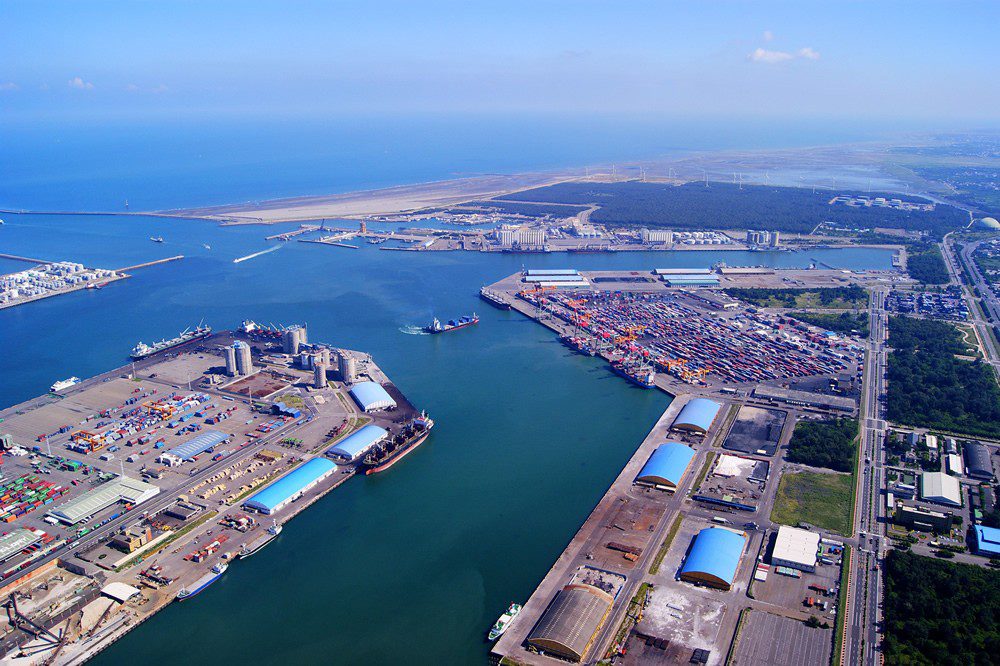
Notices of Taichung Port to the Masters and Ship Operators
Port Entry Requirements:
– Mandatory 96-hour pre-arrival notice for all vessels >500GT
– ETA updates required at 72h, 48h, 24h and 12h intervals
– Health declaration submission via TW-Can system before arrival
– Crew list with passport/CDC numbers must be submitted 24h prior
– Cybersecurity declaration required for vessels with ECDIS/ECS systems
– Bunker samples must be taken upon arrival (MARPOL Annex VI compliance)
– NEW: Gangway net certification required (ISO 5488 standard)
– NEW: Last port clearance certificate must be valid
Pilotage Services:
– Compulsory for vessels >3000GT or LOA>100m
– Boarding positions:
* North Boarding Ground: 24°20’15″N 120°28’30″E (±50m)
* South Boarding Ground: 24°14’40″N 120°30’10″E (±50m)
– Transfer conditions:
* Max wave height: 2.5m (1.8m for VLCCs)
* Daytime only for VLCCs (1 hour after sunrise to 1 hour before sunset)
* Helicopter transfer prohibited
– Pilot ladder requirements:
* Spreaders every 9th rung (maximum 9m freeboard)
* Night illumination required (minimum 50 lux)
– NEW: Pilot boarding time windows:
* High tide ±2 hours for vessels >200m LOA
* Maximum waiting time: 30 minutes
Berthing Operations:
– Maximum allowable mooring loads:
* Head lines: 55t (test certificate required)
* Breast lines: 45t (minimum breaking load)
* Spring lines: 50t (synthetic ropes prohibited)
– Tug requirements:
* <50,000 DWT: 2x 60t BP (minimum) * 50,000-150,000 DWT: 3x 80t BP + 1 escort tug * >150,000 DWT: 4x 100t BP + 2 escort tugs
– Mooring arrangement plans must be submitted 24h before arrival
– Fender specifications:
* Cylindrical fenders (D=2.0m) at all berths
* Maximum berthing energy: 350tm
– NEW: Emergency release procedures:
* Quick-release hooks tested monthly
* Designated safe zones for line handlers
Cargo Operations:
– Grain handling:
* Dust suppression mandatory (water spray system)
* Max loading rate: 10,000 MT/day (12,000 MT with approval)
* Trim requirements: 1/100 LBP or 3m
– Container operations:
* Gantry crane SWL: 50t under spreader (60t twin-lift)
* Twin-lift operations prohibited at night (1900-0700)
* Dangerous goods verification before loading
– Bulk cargo:
* Hatch cover inspection required (Class certificate)
* Coal cargoes: gas monitoring every 4 hours
– NEW: Liquid cargo operations:
* Loading arms must be ISO 28460 certified
* Emergency shutdown system test before transfer
* Maximum loading rate: 10,000 m³/hr
Dangerous Goods:
– IMDG Class 1 explosives: Berth 36 only (500m exclusion zone)
– LNG operations:
* Pre-cooling procedure: 48 hours minimum
* Safety zone: 300m radius during transfer
* Emergency shutdown system test required
– Chemical cargoes:
* Compatibility matrix approved by Port Chemist
* Vapor return systems: 250m³/hr minimum
* Inhibitor certificates required
– NEW: Radioactive materials:
* Special berth assignment
* Real-time radiation monitoring
Port Security:
– ISPS Level 1:
* 30-minute response time for drills
* Deck patrols every 2 hours (logged)
– Restricted areas:
* Container Terminal West: No photography
* Oil Terminal: Continuous AIS monitoring
– Crew shore leave:
* Gangway watch 24/7 (2 crew minimum)
* Last return time: 2300LT
– Cybersecurity measures:
* USB device scanning mandatory
* Network segregation for OT systems
– NEW: Drone restrictions:
* No flights within 1km of port
* Penalties up to $10,000 USD
Environmental Regulations:
– Zero discharge policy within 12nm
– Ballast water exchange:
* Minimum 200nm from coast (50m depth)
* Records kept for 3 years
– Waste disposal:
* Incineration prohibited
* Sludge reception at Berth 42
– Air emission controls:
* Sulfur content ≤0.1% in ECA
* Continuous monitoring for >5000GT
– NEW: Underwater noise limits:
* 190dB re 1μPa @ 1m during sonar use
* Nighttime restrictions (2200-0600)
Emergency Procedures:
– Oil spill response:
* Tier 1 capacity: 500 tons
* Immediate reporting within 15 minutes
* Dispersant use prohibited within 3nm
– Medical emergencies:
* Quarantine berth: No.38
* Helipad: 24°16’12″N 120°29’45″E
* Telemedicine available
– Firefighting:
* FiFi1 capability at all berths
* Water curtain systems (3000 l/min)
– NEW: Man overboard:
* Designated recovery zones
* Thermal cameras at all berths
Meteorological Services:
– Typhoon warnings:
* Stage 1: >25kt in 72h
* Stage 2: >35kt in 48h
* Stage 3: >50kt in 24h
– Real-time monitoring:
* Wind updates every 15 minutes
* Wave sensors at breakwaters
– Microburst warning system:
* 10-minute advance notice
* VHF alerts on Ch 16
– NEW: Tsunami protocol:
* Vertical evacuation zones marked
* 30-minute warning system
Technical Services:
– Underwater inspections:
* Class-approved divers
* 24-hour notice required
* UWILD cameras mandatory
– Provisions:
* Certified delivery trucks
* Refrigerated containers
* Halal food available
– Repairs:
* Hot work permit system
* Maximum 8 hours continuous
* Tank entry procedures
– NEW: Bunker testing:
* ISO 8217 compliance
* Sampling witness service
Navigation Equipment Requirements:
– Mandatory for >10,000GT:
* Dual ECDIS systems
* Radar with ARPA
* AIS Class A
– Testing requirements:
* Compass deviation table
* Echo sounder calibration
– Backup systems:
* Paper charts
* Independent GNSS
– NEW: Bridge resource management:
* Two officers minimum
* Fatigue management plan
Crew Welfare Facilities:
– Shore facilities:
* Seafarers’ Center (24/7)
* Free WiFi (1GB/day)
* Medical clinic
– Transport services:
* Shuttle buses
* Taxi stand
– Religious services:
* Christian chapel
* Muslim prayer room
– NEW: Recreation areas:
* Gym facilities
* Outdoor seating
Port Development Updates:
– Construction zones:
* North Expansion Area
* Berth 39-42 closed
– Temporary measures:
* Reduced channel width
* Night navigation restrictions
– Future regulations:
* Shore power requirement
* Zero-emission tugs
– NEW: Digital transformation:
* E-navigation system
* Automated gates