
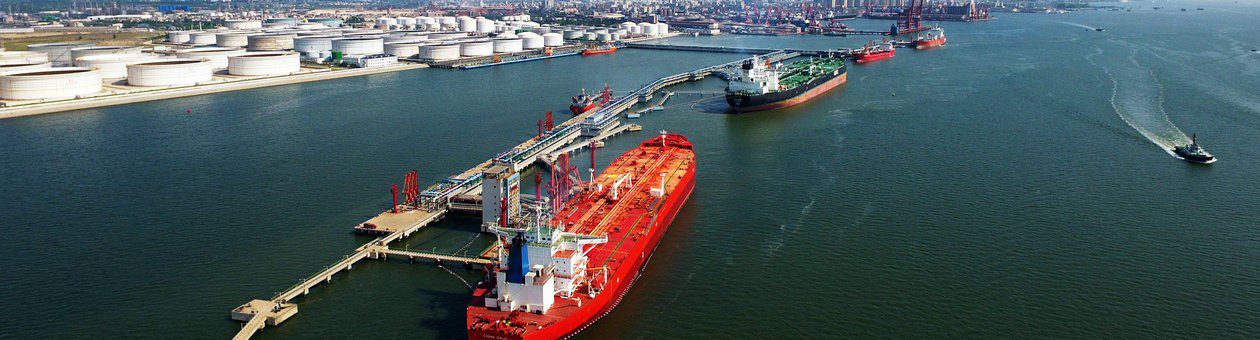
1. Port and Terminal Information
1.1 Zhanjiang Port operates 24/7 including public holidays, with special cargo operations requiring 48-hour prior notice (Zhanjiang Port Authority Notice No.2023-05).
1.2 Main commercial terminals:
– Zhanjiang Port Group Terminal (Berths 1-15, max LOA 350m, depth 14-16m)
– Donghai Island Terminal (Crude Oil & Bulk, max draft 17.5m, 300,000 DWT capacity)
– Xiashan Terminal (Container, 18m depth alongside, 8 Post-Panamax cranes)
– Baogang Terminal (Ore handling, 200,000 DWT capacity, 5,000 MT/hr unloading rate)
– Suixi Terminal (Coal & General Cargo, 50,000 DWT capacity) (Zhanjiang Port Yearbook 2023).
1.3 Maximum permissible draft:
– 17.5m at Donghai Island Crude Oil Terminal (verified by tide tables)
– 16.0m at Container Terminal (Chart Datum)
– 15.2m at Baogang Ore Terminal (China Ports & Harbors Association 2023 data).
1.4 Terminal equipment standards:
– Fendering systems: OCIMF MEG4 compliant with 200% energy absorption capacity
– Mooring bollards: SWL 150-200t depending on berth (ISO 3913 certified)
– Firefighting: Foam monitors with 5,000 l/min capacity at all liquid berths.
1.5 Mandatory terminal checklists:
– Tankers: ISGOTT Chapter 10 + China MSA Annex for VOC recovery
– Bulk carriers: IMSBC Code + BC Code Annex 4 with additional trimming requirements
– Container ships: CSC Plate verification + lashing computer printout.
2. Anchorage Areas
2.1 Designated anchorage zones:
– A1 (21°10’N, 110°25’E): Vessels <200m LOA, max 10 vessels
– A2 (21°08’N, 110°28’E): VLCCs (>280m LOA), max 4 vessels
– Emergency anchorage (21°05’N, 110°32’E): Medical/mechanical emergencies only
– Quarantine anchorage (21°12’N, 110°23’E): Health inspections (Zhanjiang MSA Notice 2022-11).
2.2 Anchorage technical specifications:
– Holding ground: Firm clay with 0.8-1.2kg/cm² shear strength (2022 seabed survey)
– Minimum depth: 25m at LAT in all anchorages
– Swing circle: 3x LOA + 50m clearance required.
2.3 Operational requirements:
– Continuous AIS transmission with 2-minute interval
– Anchor watch with position verification every 15 minutes
– Deck lighting per COLREGs Rule 30 during darkness
– VHF Channel 16/12 continuous watch.
2.4 Prohibited activities:
– Bunkering without MSA permit (except emergency cases)
– Cargo operations (except MSA-approved emergencies)
– Crew transfers without Port Health clearance.
3. Navigation Channels
3.1 Channel specifications:
– Main channel: 36.5km length, maintained at -16.5m CD (dredged quarterly)
– Branch channels:
* Donghai Channel: -17.0m, width 300m
* Xiashan Channel: -15.0m, width 250m
– Underkeel clearance: 10% draft or 1.0m minimum (whichever greater)
– Bank clearance: 50m minimum from channel edges (ZPA Chart ZJ-2023 Ed.4).
3.2 Tidal information:
– Highest astronomical tide: +4.2m CD
– Lowest astronomical tide: +0.6m CD
– Maximum current: 3.2 knots at spring tides in narrow sections
– Tide tables: NHO China Publication NP202 (2024 edition).
3.3 Navigation restrictions:
– Speed limits: 8 knots inner harbor, 12 knots outer channel
– Overtaking prohibited between Channel Markers #15-#22 (sharp bend)
– Fog restrictions: Pilotage suspended when visibility <1,000m
– Special convoy system for vessels >250m LOA or >15m draft.
3.4 Aids to navigation:
– 56 lighted buoys (IALA Region A)
– 12 radar reflectors at critical turns
– DGPS coverage with <5m accuracy (China Maritime Radio).
4. Pilotage Requirements
4.1 Compulsory pilotage:
– All vessels >10,000 GT or >200m LOA
– Hazardous cargo carriers (IMO Class 1-9)
– VLCCs/ULCCs regardless of size (China Maritime Safety Law Art.35).
4.2 Pilot transfer:
– Primary boarding position: 21°06.5’N 110°30.2’E (Daylight)
– Secondary position: 21°07.2’N 110°29.8’E (Night/Adverse weather)
– Ladder requirements: SOLAS Reg.II-1/3-9 + IMO Resolution A.1045(27)
– Helicopter transfer available for medical emergencies only.
4.3 Notification procedures:
– Standard vessels: 12 hours notice via agent
– Special operations: 24 hours (liquefied gases, heavy lifts, etc.)
– ETA updates: Every 6 hours when within 50nm, then hourly within 12nm
– Last minute changes: Immediate VHF Ch 12/16 notification.
4.4 Pilot exemption certificates:
– Available for regular callers meeting MSA criteria
– Requires annual simulator assessment at Zhanjiang Maritime College
– Limited to specific routes and daylight hours only.
5. Cargo Operations
5.1 Prohibited/restricted cargo:
– Absolute bans: UN1481, UN1942 (ammonium nitrate), UN3175 (aluminum smelting by-products)
– Special permits required: Radioactive materials (Class 7), explosives (Class 1)
– Coal restrictions: Volatile matter >25% requires inerting certificate + gas monitoring.
5.2 Operational parameters:
– Grain: 8,000 MT/day with <14% moisture, temperature monitoring every 4 hours
– Containers: 120 moves/hr per gantry crane (ZPMC models), 30-minute pre-op lashing checks
– Crude oil: 10,000 m³/hr loading with <0.5% VOC emission
– LNG: Special berth at Donghai with -18m CD, 16 loading arms (ISO 28460 compliance).
5.3 Stowage & securing:
– Containers: 5 high for 20′, 4 high for 40′, with twistlock verification
– Bulk cargoes: Trimmed to ≤5° angle, surface moisture
5.4 Operational safety:
– Hot work: Permits valid 8 hours only, with 5m gas-free radius
– Enclosed spaces: Continuous ventilation + 2-man rule
– Emergency stops: Tested before ops, with 3-minute response drill.
6. Safety Regulations
6.1 Pre-arrival documentation:
– Zhanjiang MSA Form MS-07 (24hr prior)
– Crew list with valid medical certificates (including COVID vaccination)
– Cargo manifest certified by shipper + IMDG Code declaration if applicable.
6.2 Operational controls:
– Gangway watch: 24/7 with visitor log
– Mooring inspection: Every 2 hours or after tide change >1m
– Cargo gear: Annual certificates + pre-use inspection reports.
6.3 Emergency preparedness:
– Muster stations: Marked in English/Chinese at 50m intervals with LED lighting
– Oil spill response: Containment boom deployment within 30 minutes, 500m stockpile available
– Medical emergency: Designated ambulance routes with 10-minute response time
– Towing: 8,000HP emergency tug on 1-hour standby (Zhanjiang MSA Contingency Plan v5.2).
6.4 Security requirements:
– ISPS Level 1: 24/7 deck patrols, restricted access areas
– ISPS Level 2: Additional armed guards (MSA-approved providers only)
– Cybersecurity: No external connections to ship systems during port stay.
7. Environmental Compliance
7.1 Discharge controls:
– Zero liquid discharge policy (bilge, sludge, etc.)
– Garbage: MARPOL Annex V compliance with segregated bins
– Sewage: Only discharged >12nm from coast or to reception facilities.
7.2 Air emissions:
– Fuel sulfur limit: 0.5% within port limits (0.1% in ECA from 2025)
– VOC recovery: Mandatory for tankers loading >20,000m³ crude
– Particulate matter: Coal operations require water spray suppression.
7.3 Monitoring systems:
– 24/7 CCTV with AI smoke/flame detection
– Air quality sensors measuring SOx, NOx, PM2.5
– Drone surveillance for oil slicks (5nm radius).
7.4 Environmental fines:
– Oil pollution: Up to RMB 500,000 per incident
– Illegal discharge: RMB 200,000 minimum
– False records: Criminal liability under China Environmental Protection Law.
8. Crew Requirements
8.1 Shore access:
– Valid passport/seaman’s book + Port Health clearance (yellow fever if applicable)
– Curfew: 2200-0600 hrs (extended to 2400-0500 for vessels <24hr stay)
– Designated crew areas marked with yellow pavement markings.
8.2 Medical services:
– Zhanjiang Port Hospital: 24hr emergency with decompression chamber
– Mandatory vaccinations: Yellow fever, COVID-19 (minimum 2 doses)
– Quarantine: Dedicated facility at 21°15’N 110°20’E for infectious cases.
8.3 Crew changes:
– 72hr notice to Immigration Bureau + agent
– PCR test within 48hrs (or antigen test within 24hrs)
– Dedicated transport with disinfection protocols.
8.4 Training requirements:
– Port-specific induction for officers (available via MSA e-learning)
– Emergency drills: Must include port contingency scenarios
– Language: Minimum 1 English-speaking officer on bridge at all times.
9. Port Services
9.1 Bunkering:
– ISO 8217 fuels available at all main berths (LSFO, MGO, LNG)
– Mass flow meters: Mandatory for deliveries >100MT (China GB 11085-2020)
– Sampling: Quadruple samples (vessel, supplier, MSA, independent).
9.2 Utilities:
– Fresh water: 200MT/hr via pipeline (meets WHO standards)
– Power supply: 440V/60Hz (6.6kV available at container berths)
– Waste reception: Full MARPOL categories with digital tracking.
9.3 Repairs:
– Hot work: Limited to daylight hours with fire watch
– Underwater repairs: Class-approved divers only
– Spare parts: Customs clearance typically 4-6 hours.
9.4 Provisions:
– Certified suppliers with temperature-controlled delivery
– Alcohol restrictions: Maximum 5L per crew member
– Cashless payment: Alipay/WeChat Pay available through agents.
10. Emergency Contacts
10.1 Authorities:
– VTS Center: VHF Ch 16/12 (English/Chinese 24/7)
– Port Control: +86-759-12395 (verified official line)
– MRCC Zhanjiang: Fax +86-759-12396 (SAR coordination).
10.2 Terminal emergencies:
– Donghai Island: +86-759-22394 (Fire/Spill)
– Xiashan: +86-759-22395 (Medical)
– Baogang: +86-759-22396 (Equipment).
10.3 Consular assistance:
– Panama Maritime Authority: +86-10-6532-0817
– Liberian Registry: +86-21-5887-5505
– HK Shipping Registry: +852-2852-4501.
11. Additional Critical Notices
11.1 Typhoon procedures:
– Signal No.8: All cargo ops cease, vessels must depart berths
– Anchoring: Minimum 3 shackles in water, continuous engine readiness
– Evacuation: Designated typhoon anchorages at 21°00’N 110°35’E.
11.2 Cyber security:
– USB ports: Physically sealed during port stay
– ECDIS updates: Via MSA-approved encrypted channels only
– Network restrictions: No crew WiFi within 500m of terminals.
11.3 Customs regulations:
– Pre-arrival declaration: China Single Window system mandatory
– Narcotics: Lockers sealed with Customs wire + 24hr notice for access
– Arms: Prohibited unless pre-approved with armed guard details.
11.4 Special operations:
– Heavy lifts: Route survey required for >100t single pieces
– Diving ops: 12hr notice with safety plan submission
– Night navigation: Special approval for complex maneuvers.
12. Port Performance Indicators
12.1 Service standards:
– Berth availability: 98.5% (2023 average)
– Cargo handling rate: 85% of nominal capacity (monitored real-time)
– Turnaround time: 24hrs for containers, 48hrs for bulk carriers.
12.2 Incident statistics:
– Pollution events: 0.2 per 1,000 vessel calls (2023)
– Accidents: 0.05% of port movements (China MSA Annual Report).
12.3 Digital services:
– ETA submission: Via China MSA e-portal
– Documentation: Electronic bills of lading accepted
– Payments: Online settlement through port clearing system.


