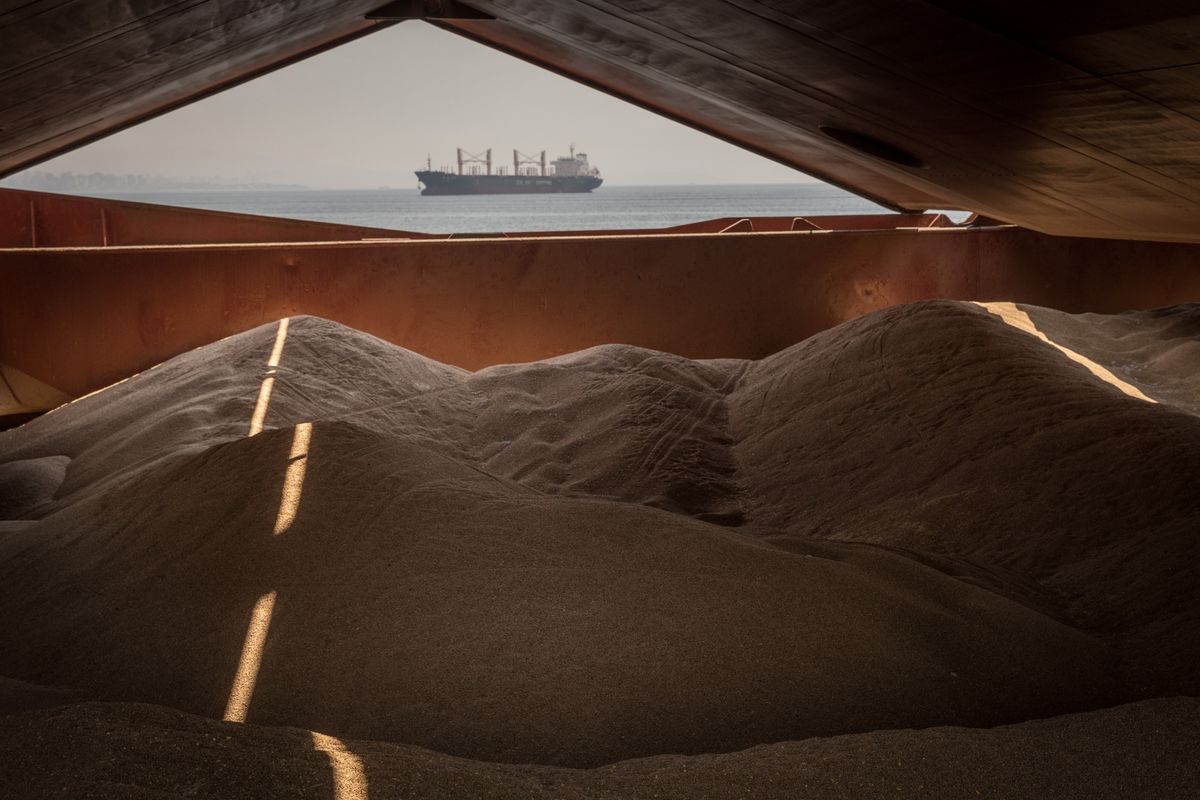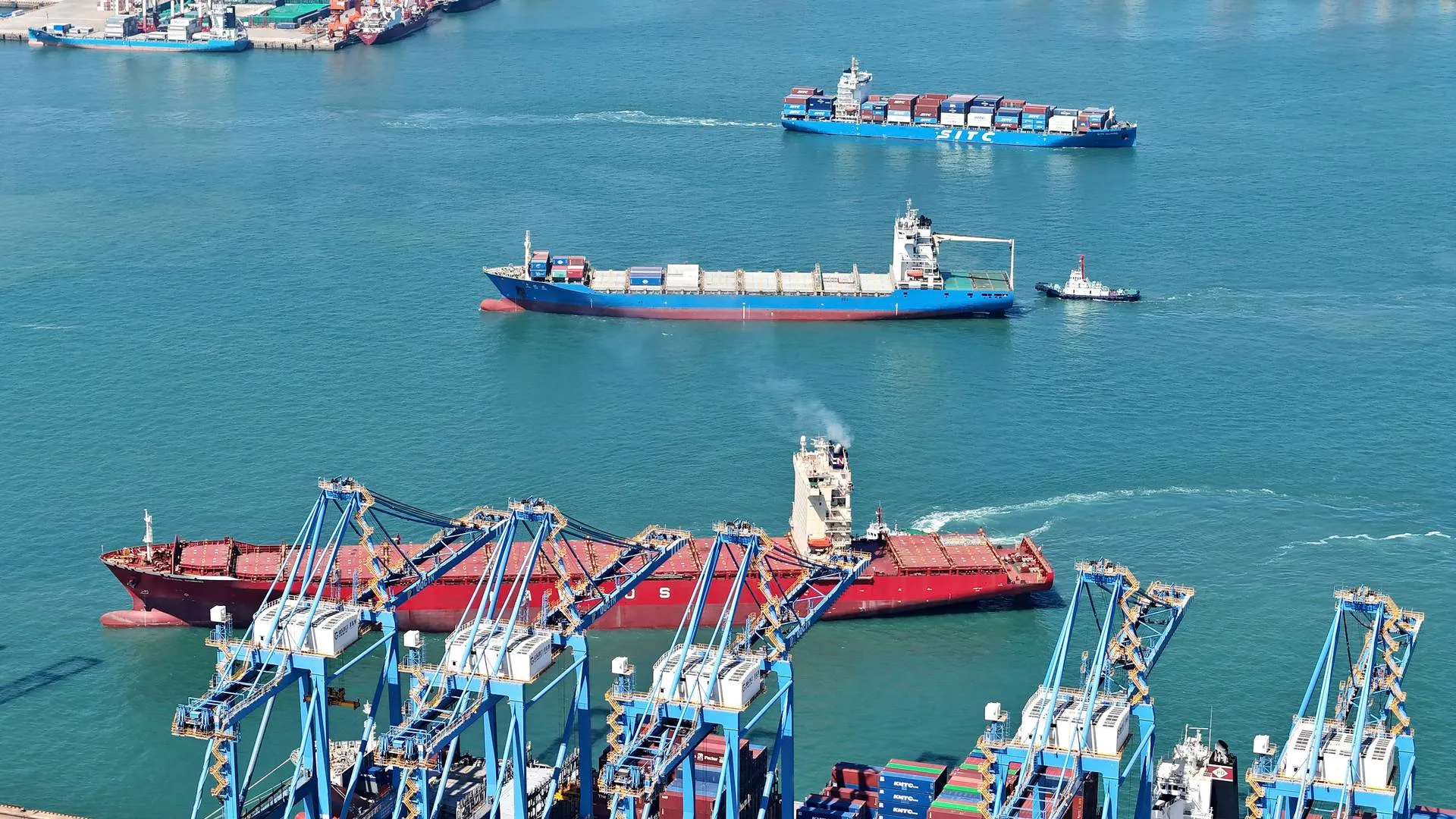
1. General Overview of Chungjin Port, D.P.R. Korea
Chungjin Port (also known as Chongjin Port) is a major seaport in the Democratic People’s Republic of Korea (D.P.R. Korea), located on the east coast at coordinates 41°46’N 129°49’E. It serves as a critical hub for trade and transportation, handling bulk cargo (coal, minerals), containers, and fishing vessels. The port operates under the jurisdiction of the D.P.R. Korea Maritime Administration (DPRK MA) and adheres to national and international maritime laws. The port features three main operational areas: North Port (bulk cargo), Central Port (general cargo), and South Port (fishing vessels).
2. Port Rules and Regulations
2.1 Vessel Entry and Departure
– Prior permission is required for all foreign vessels entering Chungjin Port. Requests must be submitted 72 hours in advance via authorized diplomatic or commercial channels.
– Mandatory pilotage is enforced for vessels over 500 GT (Gross Tonnage), with pilots available 24/7 at designated boarding areas.
– Vessels must comply with the International Maritime Organization (IMO) SOLAS (Chapter V) and MARPOL (Annex I-VI) conventions.
– All vessels must submit complete documentation including: crew/passenger manifests, cargo declarations, ship particulars, last port clearance, and valid insurance certificates.
– Vessels carrying hazardous materials must declare them 96 hours in advance and follow additional safety protocols per IMDG Code.
– Radio quarantine declarations must be made on VHF Channel 16 before entry.
2.2 Navigation and Berthing
– Speed limits: 5 knots within the inner harbor (within 1nm of coastline), 10 knots in the approach channel.
– Designated anchorage zones: No.1 (commercial vessels), No.2 (fishing vessels), No.3 (naval restricted area).
– Berthing assignments are issued by the Port Control Center via VHF Channel 12; deviations require written approval.
– Vessels must maintain minimum 500m clearance from naval and restricted zones (marked by yellow buoys).
– Tug assistance is mandatory for vessels exceeding 10,000 DWT (2 tugs minimum) during berthing/unberthing.
– Mooring lines must be inspected by port officials before operations commence.
2.3 Cargo Operations
– Hazardous materials require special permits (Class 1-9) and must adhere to IMDG Code (2022 edition).
– Loading/unloading must be supervised by port officials with certified safety officers present.
– Cargo weight limits: 20 tons/sling for general cargo, 40 tons/sling for bulk with certified gear.
– Special handling requirements for: refrigerated cargo (-25°C storage available), explosives (separate storage zone), and live animals (veterinary inspection).
– Grain operations require gas-free certificates and anti-explosion measures.
2.4 Environmental Compliance
– Zero discharge policy for oil (MARPOL Annex I), sewage (Annex IV), and garbage (Annex V) within 12nm of port.
– Mandatory use of port reception facilities for all waste (fees apply per DPRK MA Circular 2018-12).
– Ballast water exchange must occur >50nm from coast per IMO BWM Convention (D-1 standard).
– Prohibited: open-loop scrubbers, incineration of plastics, use of TBT antifouling paints.
– Oil spill response equipment must be deployed during bunkering operations.
3. Compliance and Enforcement
3.1 Inspections
– Port State Control inspections cover: structural safety, propulsion systems, lifesaving appliances, fire protection, navigation equipment, and pollution prevention.
– Special attention to: thickness measurements for bulk carriers >15 years old, and emergency generator tests.
– Certificates verified: Class, Safety Equipment, Safety Construction, Load Line, IOPP, ISM, ISPS.
– Crew documents: licenses, STCW certifications, medical certificates, and vaccination records.
3.2 Penalties
– Fine schedule: unauthorized entry ($10,000-$50,000), pollution ($5,000-$200,000), safety violations ($2,000-$50,000).
– Criminal charges may apply for: smuggling, illegal fishing, or security breaches.
– Vessel detention criteria: >5 deficiencies, critical equipment failure, or unpaid fines.
– Appeal process must be initiated within 7 days through diplomatic channels.
3.3 Emergency Procedures
– Mandatory emergency equipment: EPIRBs, SARTs, immersion suits (1 per crew), and medical oxygen.
– Port emergency contacts: VHF Ch16 (primary), Ch12 (secondary), and backup HF frequencies.
– Firefighting capability: Port maintains 3 fireboats with 5,000L/min capacity each.
– Evacuation plans must be posted in crew accommodations and bridge.
4. Crew Safety and Welfare
– Life-saving appliances: Lifeboats (100% capacity), liferafts (200% capacity), and rescue boats.
– Medical facilities: Port clinic with trauma care (24/7), decompression chamber available.
– Crew changes: Permitted with 14-day quarantine (cost borne by vessel operator).
– Shore leave: Restricted to designated areas with armed escorts for foreign crew.
5. Operational Infrastructure
– Main berths: No.1-3 (10m depth), No.4-6 (12m), No.7-9 (15m draft).
– Cranes: 12 fixed (5-40 ton capacity), 4 mobile harbor cranes (100 ton).
– Bunkering: Available at Berth 9 (IFO 180/380, MGO, fresh water).
– Repair: Limited drydock facilities (max 20,000 DWT).
Note: All operational communications must be routed through authorized agents. No direct contact information is publicly available per DPRK security regulations.