
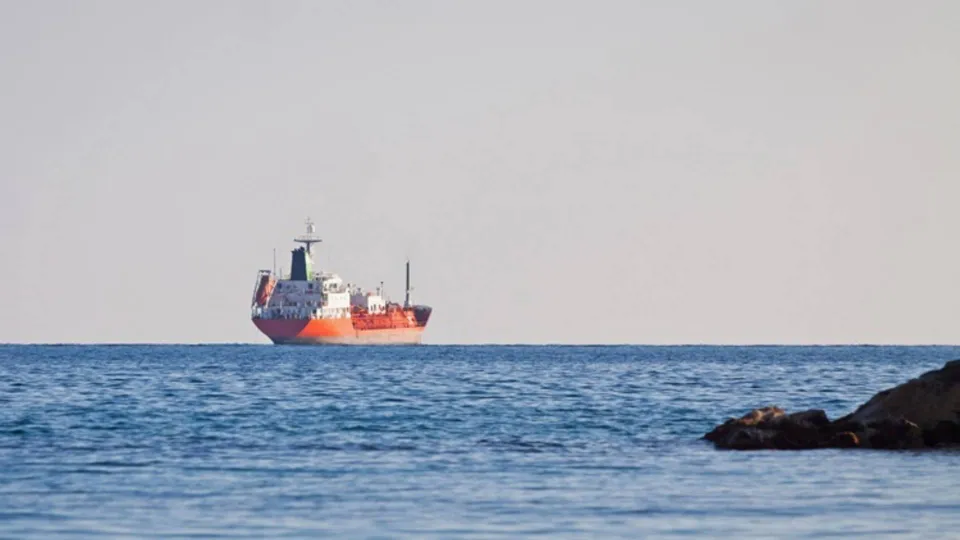
This week, the EU and UK agreed on an insurance ban against ships carrying Russian oil. The decision will make it difficult for Russia to sell its oil – also outside the European Union.
A deal between the EU and UK on banning insurance of tankers carrying Russian oil may have an even bigger impact on Russia’s ability to export oil than the EU’s already extensive sanctions in this field, writes the Financial Times citing sources from the EU system and the British government.
Oil tankers have to be insured, otherwise they will typically not be able to call at port.
With the ban, less Russian oil is likely to reach the international market, assesses an analyst speaking to WPO.
”It will make it more difficult for those that are involved in Russian trade. It’s just another hurdle to overcome. It will probably reduce the availability of Russian oil in the international market,” says Burak Cetinok, head of research at Arrow Shipbroking.
The insurance ban is part of the EU’s sixth sanctions package targeting Russia due to the country’s invasion of Ukraine. The sixth package, which was passed earlier in the week, covers imports of Russian oil to the EU, among other measures.
It will make it more difficult for those that are involved in Russian trade
BURAK CETINOK, ARROW SHIPBROKING
And when the EU has made a deal with the UK, the Russians will be prevented from access to the important marine insurance market in London, and it may as such become harder for the country to sell its oil – including outside the EU.
“Europe – Lloyd’s in London – is a major hub for marine insurance. So, anyone looking to trade Russian oil will have to find alternative sources for insurance, which will be difficult,” states Cetinok.
Parallel to Iran
Since Russia’s invasion at the end of February, the country has continued to export oil – despite Western sanctions. According to the Financial Times, an insurance ban would solve a crucial problem – that Russia in spite of an EU embargo has been able to send its oil to other places.
“The impact of a UK and EU maritime insurance ban on ships carrying Russian oil cannot be overstated,” says Leigh Hansson, sanctions partner at law firm Reed Smith, to the Financial Times.
“We’ve seen the impact the insurance ban had on Iranian oil a decade ago, and this could well send Russian oil trade down the same path,” she adds.
The insurance ban will be implemented over a six-month period. In principle, this will give Russia time to find alternative options through other insurance markets such as India and China – or Russia itself.
However, analysts predict that the state-owned fleets in Russia, India and China don’t have the capacity to handle the Russian oil cargoes.
Matthew Wright, freight analyst at Kpler, tells the Financial Times that it will be difficult for Russia to maintain the same level of oil exports when the ban takes effect. However, he adds that there are ways to circumvent the ban.
“There are still plenty of tanker owners who can act under the radar. There’s always loopholes and they will be exploited,” he forecasts.


